
| No | Name | Description |
|---|---|---|
 |
A café, located in the Town Square of Kuldīga, the very centre of Kuldīga Old Town, that offers dishes for every taste, ranging from refined salads to hearty meals. The café houses the Curonia coffee roastery and offers its guests fresh and delicious coffee. |
|
 |
Opekalns (arī Apukalns, Opekols) ir paugurs Alūksnes augstienē, 235 metrus virs jūras līmeņa, Veclaicenes pauguraines viena no augstākajām virsotnēm. Tā virsotnē uzcelta Opekalna luterāņu baznīca (1774—1779), kas ir visaugstāk virs jūras līmeņa novietotais dievnams Latvijā. Opekalna ciemā dzimis leģendārais Dziesmu svētku virsdiriģents Haralds Mednis. |
|
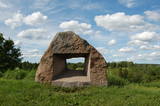 |
The open-air museum was proposed in 1992 by the sculptor Ojārs Arvīds Feldbergs, and it is located on the banks of the Ancient Abava River valley and on land that was once part of the Firkspedvāle and Briņķpedvāle estates. The park features contemporary art, and the museum also organises symposiums, creative workshops and other events. |
|
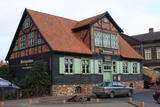 |
From the historical and architectural perspective, this is an interesting monument to urban construction between the 17th and 19th centuries. Old Liepāja is in the area of the old market and Kuršu Square, where merchants sold their wares beginning in the 1560s. Until 1792, Kuršu Square was also where punishments were implemented. The current Pētertirgus pavilion was installed alongside the square in 1910. A map shows that the network of streets has partly preserved the chaos of street planning that was typical in Medieval towns. |
|
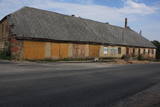 |
Atrodas Sakas un Liepājas ielas krustojumā. Ēka, kas šobrīd atrodas sliktā stāvoklī, celta 19. gs. vidū. |
|
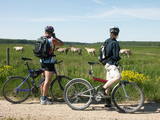 |
These meadows are of distinction because of the curvy Slampe River, which has caused a gradual recovery of damp meadows, complete with species of plants and animals that are typical of such areas. Domestic animals adapted for life in the wild can be seen here, and a bird watching tower on the location will offer you an excellent opportunity to view them. You can get to the meadows via a narrow corridor known as the Melnragu throat. The gravel road will lead to a hillock called Kurgāns from which you can have an excellent view of the surrounding landscape. |
|
 |
Jelgavas pils dienvidaustrumu spārna cokolstāvā ir iepazīstamas Kurzemes un Zemgales valdnieku - Ketleru un Bīronu dzimtas kapenes (laika posms no 1569. – 1791. g.), kur apskatāmi 18 restaurētie sarkofāgi. Šī ir Baltijas mērogā nozīmīga vieta, kas noteikti jāapmeklē ikvienam vēstures interesentam. |
|
|
|
1996. g. atklātais piemineklis (tēlniece: A. Veinbaha) Dagdā (starp Asūnes un Rēzeknes ielām) ir piemiņas vieta komunisma terora upuriem. No šejienes paveras labs skats uz salām bagāto Dagdas ezeru. |
|
 |
Spilves pļavas tika izmantotas kara aviācijas vajadzībām jau 1. Pasaules kara laikā. 1922. gadā bumbu sabojātā lidlauka atjaunošanu veica Latvijas Republikas Aviācijas divizions Jāzepa Baško vadībā. Drīz pēc tam Spilvē 51 hektāru lielā teritorijā pie Rīgas - Bolderājas dzelzceļa atzara un šosejas iekārtoja arī civilo lidostu, kuru no Rīgas pilsētas nomāja Latvijas Pasta un telegrāfa departaments. |
|
 |
This is another important territory for the protection of reefs, is also opposite the Salacgrīva Administrative District, and covers 7,239 hectares.
|
|
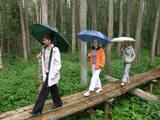 |
This trail of pathways dates back to 2005 and it passes from the Dunte Estate (which has an exhibition about Munchhausen) along damp shoreline forests and on to the sea. There are rest stops along the trail with wooden sculptures related to the famous Baron Munchhausen, as well as other attractions. The trails are in the Northern Vidzeme Biosphere Reserve.
|
|
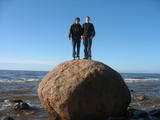 |
Covered with rocks and with small capes and inlets, this is the eastern shore of the Bay of Rīga and the only place in Latvia where sandstone outcrops are found. These are the result of the abrasive effects of waves between Tūja and Vitrupe. Among the most distinguished of these outcrops are the Veczemi cliffs, which are less than half a kilometre long and up to four metres high. The area has been improved for tourists. It has to be said that this part of the shoreline changes very often, particularly after large storms.
|
|
 |
The “Lamb Club” is a farm in Mazsalaca, and it is special because the sheep live in a real club! The owners offer the atmosphere of a farm at which the sheep play major roles. Enjoy mutton and sheep milk foods and beverages, feel how comfortable it is to read your favourite while sitting on a fluffy sheepskin, and, in order not to get cold by the campfire in the evening, you can purchase warm woollen socks and woven woollen cloaks. The owners hope that people from Latvia and all around the world will spend more time at the farm, because accommodations involve a new glamping tent that is as close as possible to nature and the healthy rural environment. Don’t lose a lick of the comfort that you are used to in your everyday life! The owners, Ilze and Valters, will be happy to give you a tour during which they talk about herding sheep. If you contact them in advance, they will prepare a tasty mutton meal for you. The tour can also be supplemented with various activities such as games, quizzes and creative workshops at which sheep wool is utilised. |
|
 |
Ancient Scandinavian gravesites are found near Grobiņa at the Liepu alley (as are the ancient Priediena graves). The skeleton, fire and hillock graves date back to the 4th to the 10th century. A dig in 1987 led to the discovery of a unique and richly ornamented gravestone from the 8th or 9th century which was produced in honour of a fallen Scandinavian soldiers. It is now housed at the Liepāja Museum of History and Art and is the only discovery of its kind in the south-eastern reaches of the Baltic Sea. |
|
 |
The farm has a garden with medicinal plants and herbs, and a collection of vegetables and decorative plants used in cooking. Guided walks can be supplemented with delicious herb teas and herb pies if booked in advance. The farm shop has a vast selection of preserves of berries, vegetables, herbs, herb teas and herb mixes. |
|
 |
The MIKO bakery bakes more than 100 types of products according to its special recipes, including cakes, pies, eclairs, and biscuits. |
|
 |
On the left bank of the ancient Gauja River valley, between the Paparžu ravine and the ravine along which the Sigulda-Turaida road passes through the valley there are the ruins of a castle built by the Order of the Brethren of the Sword. Construction on the castle began in 1207, and three decades later, in 1236, the castle was rebuilt for the needs of the Livonian Order. The Sigulda Castle suffered much damage during wars in the late 16th and early 17th century. During the Great Northern War, it was burned down and never restored. What is there today is the south-western segment of the castle's convent building, as well as the tower of the main gate. Beyond that is the internal forecastle, where there is an open-air stage for the annual Sigulda Opera Music Festival and other public events. There are also impressive views of the ancient Gauja River valley, Krimulda and Turaida. Reconstruction of the ruins is currently ongoing, and after the work is completed a second tower on the left side of the stage will be available to visitors. The plan is to install crossings around the walls of the convent building. Presently the ruins are available on a 24/7 basis and free of charge, but after the restorations are completed in 2012, admission will be charged. |
|
 |
The Lašu castle hill is 0.2 km from the Vecumnieki-Ilūkste road at Laši. It is an ancient Selonian castle hill, and it was populated between the 1st millennium BC and the 10th or 12th century. Very little remains of the old Veclaši (Tiesenhausen) Estate, which had an impressive mansion designed in the Neo-Gothic style in the late 19th century. What remains are an ancillary building, the foundations of the mansion, fragments of the gates, and a park. Until 1920, the estate belonged to the Pshezdzetski dynasty, and before that it was owned by the Tiesenhausen and Fittinghoff dynasties. Before visiting the location, look for photographs of the old mansion on the Internet. Sadly, the important cultural monument has not experienced any major improvements over the past 20 years.
|
|
|
|
Pilsētā nebija lielu rūpniecības uzņēmumu, un tās iedzīvotāji
nodarbojās galvenokārt ar amatniecību, tirdzniecību un lauksaimniecību.
Ilūkste tika pilnībā nopostīta 1. pasaules kara laikā un smagi cieta arī
2. pasaules kara laikā. Šodien Ilūkste ir klusa pierobežas mazpilsēta, ko
ieskauj gleznains dabas apvidus. Apskates objekti: bijušā jezuītu klostera ēka
un Ilūkstes katoļu baznīca.
|
|
 |
Saaremaa has had strong beer brewing traditions since olden times. In Kuressaare, the building with Art deco elements where electricity was once made, is now a home for the beer brewery Pöide that demonstrates the art of beer brewing – you will learn several secrets and taste various beers in the special tasting room. |
|


