
| No | Name | Description |
|---|---|---|
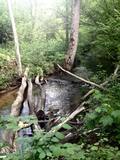 |
1.2 km long, the trail passes through a unique terrain of hillocks and forests, with the height of the valley rising to as much as 15 metres. Visitors will find a diversity of plant life, as well as the beautiful little Kauliņupīte River, which crosses the rail at two points. The health trail was established in the late 1990s. |
|
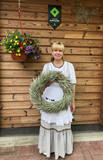 |
The Dzīļu bakery in Malnava is a symbol of Krāslava and it is located next to the Malnava manor park. The lady of the house prepare hearty Lettigalian dishes and other country goodies. In the bakery the owner bakes different types of bread, for example, rye-bread, sweet-and sour bread, as well as makes cakes on pre-order. She also offers to groups and families to bake bread, pies, cakes or pizzas together. The tasting and Latgalian dishes in nowadays’style. A walk around the park of Malnava manor and stories about the white gate. Local bread is famous in Kārsava. The bakery offers brunch on weekends, as well as markets of local crafts and other products. |
|
 |
Zemnieku saimniecība "Dzirnas" nodarbojas ar bioloģisko putnkopību, audzē zemenes un dārzeņus. Saimniecība apsaimnieko 11 ha zemes. Tajā iegūtās olas ar zīmolu "Vistu olas", sīpoli un ķiploki tiek pārdoti veikalos "Klēts" Rimi hypermārketos Rīgā. Savukārt zemenes pārdod dzimtajā Alsungā, kā arī pēc pieprasījuma piegādā Rīgā. Iespējams arī apmeklēt un apskatīt saimniecību, taču nepieciešmaa iepriekšēja pieteikšanās. |
|
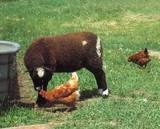 |
The farmyard offers to see the domestic animals, birds and exotic maras as well as horse-back riding on a pony. You can get a consultation about gardening and breeding small animals. It is possible to buy quail eggs, smoked meats, chicken and birdlings. |
|
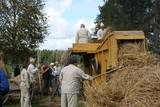 |
The farm museum presents the life and activities of Carl Robert Jakobson (an outstanding 19th C public person, writer and teacher) and his farmstead. Visitors can see cattle, sheep, horses and renovated outbuildings. They can also test their skills in farm jobs; Estonian food is available if booked in advance. |
|
 |
This is a single-family farm, and visitors are welcome to tour it and see white peacocks, pheasants, ducks, chickens, French cattle and white genetic fund pigs from Lithuania. |
|
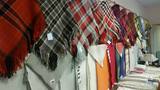 |
SIA "Limbažu Tīne" ir vilnas pārstrādes uzņēmums ar senām mājas tekstila tradīcijām, kas dibināts jau 1914. gadā. Šobrīd uzņēmumā tiek ražota vilnas dzija, austi augstvērtīgi vilnas un linu audumi, segas, parklāji, pledi, galdauti, dvieļi, lakati un citi tekstilizstrādājumi. Limbažu Tīne ražo etnogrāfiskos audumos pēc autentiskajām Baltijas reģiona kultūrvēsturiskā mantojuma paraugiem. |
|
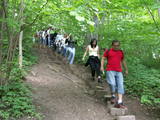 |
The Little Sigulda of Pilskalne is a place for longer or shorter hikes. Here you will find a number of trails – the Sprīdītis trail (1.6 km, featuring wooden sculptures of characters from fairy tales by Anna Brigadere), the Forest landscape educational trail (3.8 km), and the Highland landscape trail (8 km in each direction). The trails are in a sub-glacial depression with a number of little lakes and swamps that are connected by streams. This is a restricted environmental area aimed at protecting the landscape and its treasures. At the beginning of the trails (near Pilskalne) there is the Melnaiskalns (Rāmavas) castle hill, which is around 30 m high. |
|
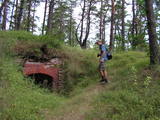 |
Forts were built and rebuilt at this location for many centuries by Germans, Swedes and Russians. In 1912, several forts were erected at Mangaļsala and Bolderāja. There were two forts with 254-mm cannons, six with 152-mm cannons, and three with 138-mm cannons. Each fort had two cannons.
|
|
 |
Redzamas pa lielu gabalu Vecumnieku – Skaistkalnes un Stelpes ceļu krustojuma tuvumā. Šīs Holdandes tipa vējdzirnavas uzcēla 1903. gadā. Sākot ar 20. gs. 30. gadiem dzirnavas darbojas ar elektrības palīdzību. Līdz mūsdienām ir saglabājušies vējdzirnavu vēsturiskie mehānismi. Kādreiz daudzie vējdzirnavu stāvi bija raksturīga Zemgales vēsturiskajam novadam, ko pamatoti dēvē par Latvijas „maizes klēti”. Diemžēl līdz mūsdienām ir saglabājušies tikai daži. Šīs vējdzirnavas ir apskatāmas tikai no ceļa malas.Ap 8 km rietumos (Iecavas virziens) redzamas vēl vienas – Kāravu vējdzirnavas. |
|
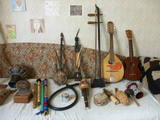 |
The craftspeople use natural materials to produce rattles, wind chimes and musical instruments. They teach children how to make pipes out of reeds. Aleksandrs has a collection of some 100 different instruments which he knows how to play. You can commission or purchase products from the craftspeople. |
|
 |
Very expressive form of relief with wide look over the neighborhood. On its peak there's ruins of the castle of bishop Hermanis which was built in 1224. The world's oldest firearm was found here. |
|
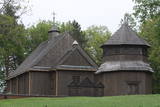 |
Die Kirche hat einen 1800 gebauten einzigartigen achteckigen Glockenturm. Blick auf den Lūšiai-See. |
|
 |
This beautiful garden of practical ideas offers colourful flowers and a wide collection of coniferous trees which visitors can visit all year long. Behind the house are a vegetable garden and a group of greenhouses. |
|
 |
Lõosilma farm is only 10 km away from Pärnu; it is engaged in the cultivation and processing of agricultural products. Delicious canned food is prepared from the vegetables in the farmhouse kitchen, and many of the products have gained national taste titles. The farm has camper parking powered by solar energy. |
|
 |
The number of types of peonies in this garden is close to 400, and collect Dagnija Voika is proud of one of the largest collections in Latvia. There are 30 types of shrub peonies, and other flowers that grown there include bearded irises, Siberian irises, daylilies, as well as less common plants such as yuccas and eremurus. The garden is open in June, when the owner organises a peony festival and offers tours. The valuable peony roots are used to produce the PEO series of cosmetics, and plants can be purchased. |
|
 |
The old narrow-gauge railroad. You can still see the station, the baggage
warehouse, the house where the station commander lived, and the path along
which the little train ran back in the day.
|
|
 |
Saimniecībā "Jauncaunes", Ogres novadā, grupām, kā arī individuāliem apmeklētājiem tiek piedāvāta atpūta brīvā dabā, iepazīstot un izmēģinot metamos ieročus, šaušanu ar dažāda veida lokiem, arbaletiem un pneimatiku. |
|
|
|
1,8 km garā taka atrodas neparastā vietā – uz Cirīša ezera salas. Tās galvenās vērtības ir augu valsts un dzeņveidīgo putnu daudzveidība. Viens no apskates objektiem ir Upurkalns – sens pilskalns. Taka labiekārtota, izveidoti informācijas stendi, atpūtas vieta. Lai nokļūtu uz salas, no vietējiem jānomā laiva, vai jādodas ar savējo. Atrodas dabas parkā „Cirīša ezers”. |
|
 5 days
|
Ancient trade routes distributed not just products, but also knowledge, culture and everything that was new and unknown. Pastor Ernest Glück, for instance, may have already started work on a translation of the Bible into Latvian when he travelled from the Daugavgrīva fortress near Rīga to Alūksne. There he finished his masterpiece and planted two oak trees alongside the manse that are still there. Glück also established the first school in Vidzeme for Latvian children. He was a pastor, translator, author and teacher. Thanks to him, the Hernhutian movement of brethren flourished in Vidzeme after the Great Northern War. It directed spiritual and political development and brought Latvians closer to their national awakening. Of great importance in the Path of Light is Piebalga, which became very important in terms of culture in Latvia. Culture, science and even politics took on new meaning and sounds. This is where Kārlis Skalbe, the Kaudzītes brothers, Jānis Poruks, Antons Austriņš and other major figures from the national awakening lived and worked. The very spiritual aura in this place has not disappeared to this very day. The fantastic Cesvaine castle has been renovated, and the narrow-gauge railroad between Gulbene and Alūksne is still rolling alone. The ruins of the Marienburg castle in Alūksne conjure up visions of the hidden wealth of the Order of Templates and the young woman who was bricked into the castle’s walls. No less intriguing is the story of Marta Skovronsky, who would rise to become Empress Catherine the Great of Russia. The Madona Regional Research and Art Museum offers a look at the past and present, while the Ate windmill at Kancempji offers a look at more than 4,000 unique items from the history of our countryside, complete with buildings that are more than 100 years old. |
|


