
| No | Name | Description |
|---|---|---|
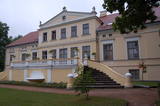 |
The residential building of the manor house was built in the 19th century. In 1932, so neglected manor house was bought by the Latvian press king A. Benjamiņš. Nowadays, the manor house is owned by the Benjamiņi family again and there is located a photo exposition of the private life and travels of A. Benjamiņš. |
|
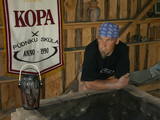 |
Ilmārs Vecelis takes part in the “Potter School” of the Latvian Cultural Fund and, therefore, uses ancient pottery methods that have been tested over the course of many centuries in Latgale. You can tour his workshop, attend the opening of the kiln, try your own hand at the craft, and commission and purchase finished ceramics products. |
|
 |
The cafe is situated in the centre of Jekabpils city, not far from the river Daugava. They offer rooms for banquets and celebrations,as well as celebration organization services. Working hours Mon-Thu: 10.00-22.30; Fri-Sat: 10.00-03.30; Sun 11.00 – 22.30 |
|
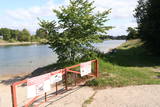 |
The Karaosta canal and its naval and submarine base date back to the tsarist era in advance of World War I. The former submarine base is now closed to visitors and is used for business purposes. The canal can be viewed from Pulvera Street and the restored Kalpaks bridge.
|
|
 |
RADADA ir radošā darbnīca, kura ierīkota senā ugunsdzēsēju depo. Audumu apdrukas ar saviem orģināliem zīmējumiem rokas sietspiedes tehnikā. Apdrukā apģērbu ar rakstiem un simboliem, kas simbolizē Latvijas dabu, latviešus un to spēku. |
|
 |
The saloon is on the seashore with a lovely view of the beach at Saulkrasti. Here different water sports and entertainment activities are organised. Latvian cuisine: Cold soup, baked filet of cod, homemade steak haché, roast pork, pancakes with cottage cheese, caramelised oatmeal. |
|
 |
Buntu ģimenes saimniecībā tiek audzētas kaņepes 3,4 hektāru platībā, kā arī ražoti dažādi kaņepju produkti. Tie ir veselīgi un piemēroti ikvienam. Apmeklējot saimniecību, ir iespēja iepazīt kaņepju audzēšanas procesu, piedalīties produktu degustācijā un iegādāties izvēlētos ražojumus. |
|
 |
The museum set up in 1982 presents life and activity of the region from the late 19th C to the recent past. Temporary exhibitions are held in the barn and more than 200 species of trees and shrubs can be viewed in the parkland extending over 17 ha. Themed events include baking bread, celebrations of folk holidays are frequently arranged. From the museum visitors can access Velise cultural and natural heritage trail. |
|
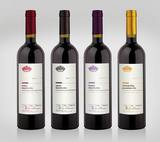 |
This farm grows black currants, blackberries, raspberries, rowans, sea-buckthorn and other berries from which the owner produces homemade wine. The cellar of the castle of the former Order of Kuldīga (with room for up to 25 people) offers tastings of three different wines. Larger groups are welcome to the granary of the Padure Estate. |
|
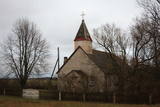 |
Nelielā izmēra ēka (balts ķieģeļu mūris, ar dēļiem apšūts zems tornis) atrodas Liepājas – Klaipēdas šosejas (A 11) malā. 20. gadsimta sākumā tā kalpojusi kā lūgšanu nams, taču tā paša gadsimta vidū pārbūvēta, uzceļot torni. |
|
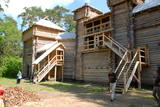 |
This is the largest exhibition in the Baltic States to feature the Semigalian material culture during the Iron Age. There is a wealth of ornamentations, weapons and household objects, including the largest collection of swords in the Baltic States. The exhibition is housed in the rebuilt defensive rooms of the wooden castle of Tērvete which existed here in the 12th century. During the second weekend of each August, there is an international Semigalian festival which is the largest Medieval festival in the Baltic States. |
|
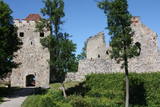 |
Exploring of Sigulda can be started with a visit to Sigulda castle ruins. The construction of the castle was begun by the Knights of the Sword Order in 1207, but in 1236 it was rebuilt for the needs of the Livonian Order. Sigulda castle suffered much from the wars in the second half of the 16th century and in the beginning of 17th century. During the Northern War, it is burned down and is no more restored. Today south-western building of the convent and the tower of the main gate, behind which is the inner forefront of the castle with open air stage, which offers impressive views over the Gauja valley. Currently the reconstruction of castle ruins is in progress. Construction of New castle (owner - Prince Kropotkin) in the South of the Sigulda took place from the 1878 until 1881. From 1923 - 1940 the building was the Palace of Writers, but during the Soviet years - Cardiology sanatorium. Since 2003 Sigulda district council is located there. The manor complex includes wooden house (middle of 19th century), which was Kropotkin's family home, barn (turn of the 18th - 19th century), gardener's house (19th century) and a stone fencing (19th century.) If we make our way from New Castle in a north-eastern direction, after almost 2 km we will reach Vejupite ravine. There you can see the shallow (3.6 m) but high (6.1 m) in Peter's Cave and deep Pucu ravine with Krauklupite. At the conjunction of ravines of both streams rises a Satezele hill fort (plateau 90 x 75 m), where in the beginning of 13th century was the oak castle of Liv land chief (eldest) - Dabrelis. Near can be found Krauklu gorge - ravine of Vejupite left bank, with 11 m high sandstone walls and 5.2 m deep Krauklu cave. At the conjunction of Vejupite ravine and Gauja valley columns Paradise (Gleznotaju) Hill - a very picturesque place, painted and photographed since old times! The Paradise Hill can be reached with a electric vehicle. In the west part of Sigulda is located Ferris wheel (works during the summer) and Air cableway (streetcar) - the only this type of vehicle in Baltics (built in the 1969). Its self-supporting cable extends in 1060 m length and without any support joins the Gauja River valley banks between Sigulda and Krimulda ~ 40 m above Gauja River. Here you can enjoy excellent views! In the south-western part of Sigulda one can walk to mighty Beites precipice, which is split by the deep ravine of stream. On the west side of the ravine lies Keizarskats, which is located ~ 67 m above the Gauja level and offers good views of Krimulda and Turaida castle. Sight place was arranged here already in the 1862 when Russian Tsar Alexander II visited Sigulda. In the eastern part of the ravine wooden Keizarkrēsls (Emperor Stool) is located. |
|
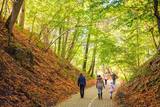 |
Šis ir viens no retajiem ceļiem, kurš saglabājies kā notikumu liecinieks. Ceļš ved no Krimuldas uz Siguldu. Jau vācbaltu apgaismotāja novadpētnieka – mākslinieka Johana Kristofa Broces 1794. gada zīmējumā "Siguldas un Krimuldas pilsdrupas" redzams lauku ceļš gar Krimuldas pili, pa kuru iet zemnieks un darba ratus velk zirgs. Lai braukšana pa Gaujas senlejas nogāzi ar zirga pajūgu būtu droša, ceļu izveidoja līkloča formā, tā uzbrauktuvi padarot daudz lēzenāku. Domājams, ka ceļš atjaunots 19 gs., kad Krievijas cars Aleksandrs otrais un viņa sieva ieradušies uz vizīti siguldā. Pāri ceļam bijuši vairāki mazi tiltiņi, ko iedzīvotāji dēvējuši par velna tiltiem. Tagad serpentīna ceļš kļuvis par romantisku pastaigu vietu. |
|
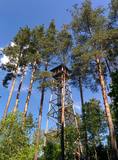 |
Uzcelts apkaimes augstākajā vietā – Ančupānu meža kalnā, kuru vietējie dēvē par „Bāku”. No 26 m augstā torņa redzama ļoti plaša panorāma ar Rēzeknes pilsētas namiem, baznīcu torņiem un apkaimes mežu masīviem, kas mijas ar lauksaimniecībā izmantojamām zemēm. Blakus tornim – atpūtas vieta. |
|
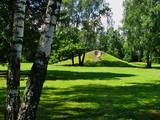 |
The monument dedicated to the Staburags cliff was installed in 2003. Designed by the sculptress Solveiga Vasiļeva, the monument is known as “The Ear of God,” and it is installed in the place where the reservoir of the Pļaviņas hydroelectric power plant flooded one of Latvia’s most interesting geological monuments. Staburags relates to many legends and stories told by rafters. It stood 18.5 m high and was a sandstone cliff on the left bank of the Daugava River, dating back to the last Ice Age. The Liepavots stream that trickled out of the cliff is now also underwater. Staburags and the flooded Daugava quarry were once among the most popular tourist destinations in Latvia. |
|
 8 days
|
The tour from Riga to Tallinn combines natural, cultural and culinary heritage and includes lovely landscapes and 15 nature trails which cross marshlands, meadows and forests along the shores of the Baltic Sea. The itinerary brings you directly to where local specialities are produced so that you can enjoy them freshly made and authentic. You will watch lamprey being prepared for you on a grill, and you will savour treats such as home-made ice-creams where they use eggs from happy hens of the farm, smoked meat from local farms, and many others. On this tour, you will become a true expert of the traditional and modern Latvian and Estonian cuisine. As the farms producing foods are often located in beautiful nature areas, you will combine culinary and nature experiences on this tour. There are many nature trails equipped with viewing towers for birdwatching. Randu meadow near Ainaži contains one third of Latvia’s entire plant species. A boardwalk leads through reeds to a viewing platform with views over the meadow and the sea. Saaremaa Island has a great variety of natural attractions that are different from those on mainland Estonia. There are dolomite cliffs, juniper heaths, a meteorite lake and rocky sea shore. The tour passes rural farms and traditional villages typical of the coastal areas. Hiiumaa Island is a laid back place and retains a very Estonian atmosphere with an important bird reserve at Käina Bay, unusual Sääre Tirp, as well as several small islets off its south-eastern coast. Back on the mainland, Paldiski peninsula gives a glimpse of the recent history with its former Soviet military base. |
|
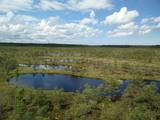 |
This is one of the largest high-type swamps (6,192 ha) in Latvia, with very distinct landscapes of little lakes and hillocks. The Great Ķemeri Heath is of importance as an extensive hydrological system and preserver of the local microclimate. It is also of international importance as a site for birds, as well as a major source of sulphurous water. Along the Kalnciems-Kūdra road, which is on the eastern edge of the swamp (3.4 km from the Rīga-Ventspils highway), there is an information stand with information about the management of the heath and about the role of swamps in nature and in the lives of people. Great Ķemeri Heath wooden pathway trail is now restored and opened for visitors in 2013. |
|
 |
The farm "Kronīši" is located in Viļķenes Parish, Limbažu County. The farm grows organic vegetables that are processed into various home preserves. Teas are produced from plants collected from organic meadows, jams, preserves, syrups and juices are also on offer. Fruits and berries are collected from the garden itself, as well as from local farmers and the nearby Rūstuži and Blome marshes. The farm welcomes tourists and exchange groups with prior application. For family events, incl. a teahouse is available for children's parties, creative workshops and other activities. Offers tours with Soviet-era cars and retro cars. |
|
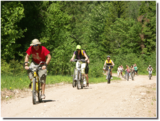 |
Lustužkalns Hill (72 m ASL). A hunting
castle owned by Livonian Order master
Walther von Plettenberg was located here
in the 16 century. During the reign of
Russian Empress Catherine the Great, a
recreational castle was built here. A
legend from the time says that a golden
carriage is at the bottom of the local Lake
Valgums.
|
|
 |
The Eleja creamery offers tastings of cheeses from the farm that is run by the Mālkalns family (apply in advance for the tastings!). There are seven kinds of cheeses, including smoked and matured cheeses. There is French cheese that has been prepared in partnership with a French cheese-making specialist, M Eribert. Blūdži is in the Sesava Parish, 7 km from Eleja, and welcomes small groups. The farm bakes bread, processes vegetables (tomato juice) and prepares other country goodies. |
|


