
| No | Name | Description |
|---|---|---|
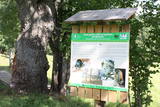 |
Interesanta dabas izziņas taka, kurā izvietoti informatīvie stendi, kas stāsta par dažādiem pļavu biotopiem – sausām, palieņu un parkveida ozolu pļavām un tās iemītniekiem. Pļavas nogana dzīvei savvaļā pielāgotie mājlopi. |
|
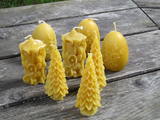 |
This farm is an apiary, with hives of bees gathering honey. The farm has won prizes for its products. You can take a tour and learn about the lives of bees and beekeeping products, make your own wax candles, or attend educational seminars. |
|
 |
Iekārtots bijušā Džūkstes – Lancenieku skolā, kur ikviens var iepazīt mūsu „Pasaku tēva” – Anša Lerha-Puškaita devumu folkloras mantojuma vākšanā.
|
|
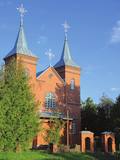 |
Holy Trinity Roman Catholic Church of Stoļerova. The construction
works of the church were finished in 1999 by the support of dean Butāns. The building is slightly larger than
the previous one; the newest (restored) church in Rēzekne district. The church has a specific icon of Our
Lady that was transferred from the chapel of Rozenmuiža.
|
|
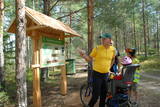 |
The wooden pathway which crosses the high swamp leads to the Teirumnīku swamp lake, which is right in the middle of the swamp. On the shores, there is a well-appointed place for leisure and relaxation. One can return to the starting point via a forest path. The trail is 800m long, and visitors will spend about an hour there. It is a part of the Tīrumnieki nature reserve.
|
|
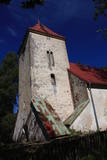 |
Iespaidīgais un monumentālais dievnams uzcelts 1816. gadā. No baznīcas nozīmīgākajām interjera detaļām ir saglabājušās ērģeles, altārglezna, lustra un kroņlukturis. Jāpiebilst, ka baznīca savā pastāvēšanas laikā nav pārtraukusi savu darbību. |
|
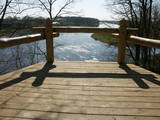 |
The Mežotne castle hill is on the left bank of the Lielupe River and opposite the Mežotne Castle. This was one of the largest Semigalian fortified castle hills during the 9th to the 13th century, and an ancient town alongside the hill covered 13 ha of land. The castle hill has been improved. A pontoon bridge across the Lielupe allows hikers and bikers to reach the castle (between May and October). Vīna Hill is approximately 500 m to the South of the castle hill, and a wooden pathway leads to it. |
|
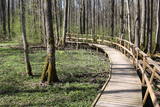 |
The excessively damp forests at this place include the Vēršupīte River bog, and this is one of the most diverse biotopes in Latvia in terms of the number of species that can be found here. The fact that the area is regularly flooded is shown by the fat roots of black alders – indeed, the place looks like a stand of mangroves. The wooden pathway that is the Dumbrāju trail starts at the Forest House for those who wish to examine the bog. The most impressive views are seen during spring floods or rainy seasons at other times of the year. The little river breaks out of its bed and floods a large territory. The Lake Sloka hiking trail is another place where you can study the Vēršupīte bog. The circular trail is 3 km long, and its beginning is at the Lake Sloka bird watching tower. |
|
 |
Atrodas Rīgas – Ventspils autoceļa (A 10) 88. kilometrā, pašā Abavas krastā. Pie stāvlaukuma interesants objekts – senais Zemgales un Kurzemes robežstabs un vēsturisko novadu robeža. Piedāvā kempinga pakalpojumus. |
|
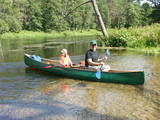 |
Ūla ir viena no skaistākajām un likumsakarīgi – arī populārākajām Lietuvas ūdenstūristu upēm. Tās galvenā pievilcība ir skaistā ainava ar augstajiem upes krastiem, kuros slejas iespaidīgas smilšu kraujas līdzīgi kā Irbes krastos Latvijā. Laivošanu var sākt no Mančagires (Mančiagirė) vai Zervinos ciemiem un turpināt līdz Ūlas ietekai Merķē un tālāk pa Merķi līdz pat Merķinei un Nemunai. Ūla nav plata, taču posmā no Zervinos ciema tajā nav neviena koku aizgāzuma vai cita šķēršļa, kuram laiva būtu jānes apkārt. Ašā straume, asie līkumi, dzidrais ūdens un tajā redzamā zemūdens pasaule rada patiesi patīkamu sajūtu! Upes krastos atrodas gan publiskas (apsaimnieko Lietuvas valsts meži), gan privātas ūdenstūristu apmetnes un atpūtas vietas. Šī ir vienīgā Baltijas upe, kur ūdenstūristiem ir jāpērk licence. Ūlas krastos atrodas divi interesanti apskates objekti – Ūlas atsegums (Ūlos atodanga) un spēcīgs avots – Ūlas acs (Ūlos akis). Savukārt, Merķe jau ir jau krietni platāka upe, taču ar acīm redzamu straumi un dažviet pat jaukām straujtecēm. Kaut arī Merķes krasti ir mazapdzīvoti, tajos atradīsim piemērotas nakšņošanas vietas. Pa Ūlu un Merķi no Zervinos līdz Merķinei sanāk „mierīgs” pusotras - divas dienas ilgs brauciens. |
|
 |
The monument dedicated to the Staburags cliff was installed in 2003. Designed by the sculptress Solveiga Vasiļeva, the monument is known as “The Ear of God,” and it is installed in the place where the reservoir of the Pļaviņas hydroelectric power plant flooded one of Latvia’s most interesting geological monuments. Staburags relates to many legends and stories told by rafters. It stood 18.5 m high and was a sandstone cliff on the left bank of the Daugava River, dating back to the last Ice Age. The Liepavots stream that trickled out of the cliff is now also underwater. Staburags and the flooded Daugava quarry were once among the most popular tourist destinations in Latvia. |
|
 |
Zemnieku saimniecība "Dzirnas" nodarbojas ar bioloģisko putnkopību, audzē zemenes un dārzeņus. Saimniecība apsaimnieko 11 ha zemes. Tajā iegūtās olas ar zīmolu "Vistu olas", sīpoli un ķiploki tiek pārdoti veikalos "Klēts" Rimi hypermārketos Rīgā. Savukārt zemenes pārdod dzimtajā Alsungā, kā arī pēc pieprasījuma piegādā Rīgā. Iespējams arī apmeklēt un apskatīt saimniecību, taču nepieciešmaa iepriekšēja pieteikšanās. |
|
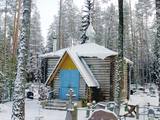 |
All Saints Orthodox Church of Malta (Rozentova) was built in
1928. It is the wooden log building with double window frames and a
dome. Facades are decorated with the motive of the sun.
|
|
 |
Naktsmītne, pirts, telpas pasākumiem, aktīvā atpūta dabā. Mājas alus brūvēšana un siera siešana. |
|
 |
Kalētu muižas bijušais medību dārzs. Muižas laikos šeit ierobežotās platībās turēja meža dzīvniekus, kuru medības bija populārs muižniecības izklaides veids. Parkā uzmeklējams piemiņas akmens Krievijas imperatoram Aleksandram III, kurš šeit nošāvis briedi (irsi). No Kalētiem Latvijas teritorijā „ienāca” staltbrieži, kurus medību vajadzībām 1848. g. atveda no Vācijas. Parkā izveidotas takas un atpūtas vietas. |
|
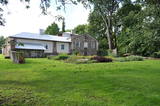 |
Olustvere is one of the best preserved manor estates in Estonia. The building complex is set in landscaped grounds in English style with avenues of old trees. Collections of stuffed birds, hand-carved wooden horses with tools and antique furniture are exhibited in the complex. Other buildings and facilities include a distillery, a smithy and handicraft, wool, clay, ceramics and glass workshops where visitors can try their hand in various crafts. The mansion now houses a tourism centre. |
|
 |
The farm grows apples, pears and medicinal plants such as peppermint, marigold, etc. The owners also collect wild medicinal plants. An interesting tour is available, and you can purchase products at the farm or at the Latvian Eco Product Store at Barona Street 45-47 in Rīga. |
|
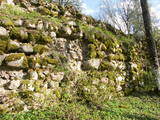 |
The Volkenberga Castle was built in the 13th century by the Livonian Order, and it was practically impregnable, as it was on top of Mākoņkalns hill. These were among the first fortifications in Latgale, and only fragments of the castle remain today. Architect Pēteris Blūms has said that this was a special type of fortification. Legends say that after the lord and lady of the castle died, the property was divided up among their three daughters – Roze, Lūcija and Marija. Each sister built a new castle on the land which she inherited – Roze built Rēzekne, Lūcija built Ludza, and Marija built Viļaka. A memorial plaque at the foot of Mākoņkalns hill recalls the visit which pre-war Latvian President Kārlis Ulmanis paid to Latgale in 1938. |
|
 |
The owner has a collection of some 2,000 spoons which he has carved from 70 types of wood from trees and bushes during more than 30 years. The smallest spoon is made of osier, while the largest one, “A European Spoon,” is larger than the height of a human being. The artist also produces paintings made of wood. You can watch him at work, purchase the spoons, and tour his museum. |
|
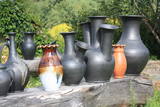 |
The potter is happy to welcome guests, offer them tours and demonstrations, and allow visitors to help in producing ceramics. Particularly interesting is the opening of the kiln, and pottery can be purchased at the site. |
|


