
| No | Name | Description |
|---|---|---|
 |
The café is in the centre of Ludza, offering a large menu and complex lunches. A speciality of the house is freshwater fish from lakes in Latgale. Latvian cuisine: Pike, tench, carp and pike-perch dishes, with blood sausage, other sausages and pig’s snout prepared on order for the Winter Solstice. Special foods: Cold appetizer of ground fish with ingredients |
|
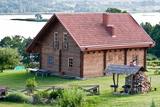 |
Atrodas ezera Vilkokšnio ezera krastā - attālā dabas nostūrī, kur smelties spēku un enerģiju. Pirts, guļamistabas ar koka smaržu, vasaras lapene, kamīns, rotaļlaukums, peldēšanās ezerā, makšķerēšana, sporta laukumi, laiva, ūdens velosipēdi, kalnu velosipēdi un kempings. Lauku sētas entnogrāfiskajā istabā tiek cepta mājas maize. Iepazīsieties ar senajiem piederumiem, maizes cepšanas tradīcijām un paražām.
|
|
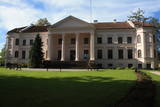 |
Līdzmūsdienām ir saglabājusies vecā - 18. gs. vidū klasicisma stilā celtā vecā kungu māja (šobrīd netiek izmantota, skaisti sīkrūšu logi!) un tai iepretim - pēc 1905. g. ugunsgrēka atjaunotā (1912. – 1913. g., neoklasicisma stils) jaunā pils, kurā atrodas Īvandes pagasta pārvalde, bibliotēka un jauniešu tūristu mītne. Ēkā saglabājušies atsevišķi interjera elementi – parketa grīdas, koka kāpnes u.c. Muižas parkā joprojām zaļo Baltijā lielākā Eiropas baltegle. Tās augstums pārsniedz 32 m, apkārtmērs - 4 m. Parkā izveidota atpūtas vieta. |
|
 |
Here you will learn about the history and cultural heritage of the Liv people of Vidzeme. Tour the museum and enjoy once characteristic foods from the region – special porridge and a strong alcoholic beverage brewed in accordance with ancient recipes. If your group wishes to do so, it can take part in the baking of rye bread in a true country oven. |
|
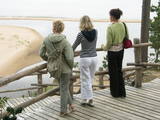 |
The Sunset trail starts in the centre of Saulkrasti town and takes you to the White Dune. Saulkrasti town with its municipal rural territory, occupies a 17km long stretch of coastal land to the North from the river Lilaste and the lake Lilaste. The White Dune stands on the right side of river Inčupe mouth. It is covered by old pine forest. The white, 18m high sand outcrop in olden times served as a landmark for fishermen. The White Dune formed as winds carried the sand from the beach over clay sediments of the Baltic Ice Lake. Some 150-200 years ago, the dune had been drifting as witnessed by several layers of soil buried within it. Local fishermen and farmers at Bātciems initiated afforestation of the drifting dunes. At that time, the 30m high dunes which are now covered with forest, were bare, shifting and even buried a farmstead. To speed up afforestation, mountain pines were planted. The White Dune was partly washed away in heavy storm in 1969, and 4-6m high precipice formed. Now the wind and sand have levelled out the dune surface, it has been fixed with willow-twigs or grown with forest where the largest pines are more than 170-190 years old. The pines are notable with their large trunks and branches, the scars obtained during their lifetime and the typical “crocodile skin” – the bark forms rhombuses resembling those of the reptile’s scales. Scots Pine (Pinus Silvestris) is one of the most common tree species in Latvia. It grows in dry, meagre sandy soil in dunes as well as in marsh. However, it does not stand overshadowing. Forest fires help pines to get rid of competitors as pine endures fire better than other trees because of its thick bark and high crown. The wood exudes resin and burned wounds close soon. Fire cleans space for seedlings of young pines. Pines can live 300-350 years. Ground cover in dune forests is very sensitive. If the sparse vegetation is destroyed, not only the natural biodiversity and landscape is damaged, but also the dangerous shifting dunes can possibly “wake up”. Embryonic dunes, White (yellow) dunes, Grey dunes and Wooded dunes are EU protected biotopes. Grey Dunes are protected by Latvian law as well. |
|
 |
A farm and holiday house in the hilly landscape of Vidzeme, Cēsis 35 km. The hosts produce marmalade sweets from organically certified rye bread and other products, bake rye tin loaves, and make rye gingerbread dough, as well as the bread drink kvass. They also make jewellery and handicrafts. Produce can be purchased. |
|
 1 day
|
Ekskursijas laikā apmeklējiet dabas taku, kura izvijas augšup un lejup gar Pilsupes lejteces stāvajiem krastiem un atklāj skaistus skatus uz trīs balto smilšu atsegumiem, no kuriem vecākais ir 6000 gadu vecs. Pēc tam apmeklējiet Kubalu skolu - muzeju, kur redzēsiet, kādas izskatījās skolas 19 gs. Klasē Jūs sagaida senie skolas soli, tāfelītes, tinte un rakstāmspalva. Tālāk dodieties uz dabas parku, kurā izveidota Bišu taka. Iespēja kāpt kokā ar dzeiņa palīdzību, liet vaska sveces un iepazīt dažādos biškopības produktus. Ekskursijas noslēgumā dodieties uz mini zoo, kur ir iespēja apskatīt dažādus dzīvnieciņus - pundurkaziņas, punduraitiņas, mandarīnpīles. |
|
 2 days
|
The Baltic Coastal Hiking Route goes through Nõva Nature reserve where you will have exceptional views of the white and grey dunes. The beaches are popular for fishing and kite-surfing. In Dirhami you can spend some time in a cafe and from its terrace you will have a beautiful view of the sea and the port. Along the way you can also see ancient Swedish hamlets with a different cultural environment and landscape, as well as shallow lakes that have been separated from the sea. |
|
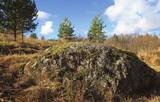 |
Horse's Footstone has a curvy that recalls a horse's footprint.
|
|
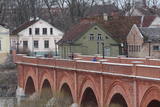 |
Kuldiga is deservedly considered the most beautiful small town of medieval times in Latvia. Instead of it already in the 13th century the Bandava centre of the ancient Cours land was located. In 1242 construction of stone castle was begun at Venta Falls by the Livonian Order. Populated area formed beside the castle, which was the first to acquire the rights of a city in Kurzeme (in 1378). Significant was also its participation in the Hanza Union. From 1561 until 1795 Kuldīga was the capital city of Kurzeme Dukedom. Naturally, in the first half of the 17th century it experienced rapid economic growth, which was terminated by the beginning of the Northern War and plague epidemic. The pride of Kurzeme residents and the lack of larger industrial objects was the reason, why during the Soviet times larger masses of immigrants did not flood the city, therefore today Kuldiga is one of the most Latvian cities in Kurzeme. It is worth to visit Kuldiga and stay there for more than one day, because there is plenty to do here. Nature fans may observe the flying fish, but for researchers of cultural history a really vast field of work opens here. |
|
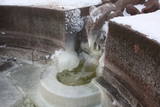 |
Built in the turn of the19th to 20th century. Next to it-on the right bank of the river Vēršupīte, there is located one of the most popular Latvian sulphur water springs, called "Small lizard". The spring runs out from a stone-designed lizard sculptured in 1949 (Sculptor J. Bajārs). Its water is healthy for using both internally and externally. Not far from the pavilion there can be found Jānis Lībietis alley sign. J. Lībietis worked in the position of a director for the sulphur water spring authority of Kemeri from 1928 to 1944. |
|
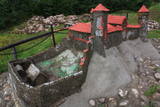 |
The Naujene castle hill is on the steep bank of the Daugava River, is up to 25 metres high and has two valleys on its sides. Between 1275 and 1277, the master of the Livonian Order, Ernst von Ratzenburg, organised the construction of a brick castle to replace a Lettigalian wooden castle that had stood there before. The castle had a drawbridge and an external and internal forecastle. Until the middle part of the 16th century, the castle was the residence of one of the top officials in Dünaburg. The forces of Ivan the Terrible sacked the castle in 1577, after which the location lost its strategic importance. New fortifications were built in the location that is now the city of Daugavpils. Alongside the ruins of the castle is a miniature model that helps to imagine the appearance of the location many centuries ago. A well-appointed pathway leads from the car park to the castle hill. The hill offers one of the loveliest views of the curvy Daugava River and its surrounding nature park. |
|
 |
Lovely café, located in the old folk house; here you can buy unique cheeses, dumplings, chanterelle-bean-pear barley soup, vadsas, meadow-sweet syrup drink. |
|
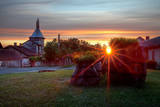 |
Tiek uzskatīta par vecāko alus darītavu Ziemeļeiropā. Tā tika uzcelta 1878. gadā, un tās pirmais īpašnieks bija grāfs Emanuels fon Zīverss (Sievers), Cēsu pils muižas saimnieks. Savukārt 1922. gadā alus darītavu pārpirka Cēsu uzņēmēji un sāka tur ražot arī vīnu, sulas un minerālūdeni. Uzņēmums "Cēsu alus" šeit alu un atspirdzinošus dzērienus ražoja no 1976. līdz 2001. gadam, bet šobrīd tas ir pārcēlies uz jaunām telpām. Šobrīd ēkā tiek organizētas dažādas izstādes, kā arī ēku var apskatīt no ārpuses. |
|
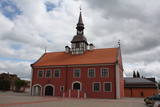 |
In 1615, Courlandian Duke Friedrich Kettler (1569-1642) allowed Bauska to build a new city hall. At the beginning of the 17th century, Market Square in Bauska featured the largest city hall in the entire duchy. A lack of money led to the dismantling of the hall’s tower in 1852 and its second floor in 1871. A new city hall was built in 2011, and now Bauska can be proud of a new and outstanding tourist destination that can also be entered. The restored city hall offers a chance for people to weigh themselves and measure their height with old-time measurements. Each person who does so receives a certificate to attest to his or her height and weight. |
|
 |
The cafe is situated in the southern part of Vecpiebalga. The interior decorations are made of oak and boast Latvian symbols, as well as stained glass. Working hours: Monday- Thu 8:00 - 22:00, Fri, Sat 8:00 - 01:00, Sun. 8:00 - 22:00 |
|
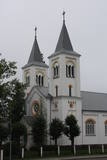 |
The church was built in the Neoromantic style between 1936 and 1939 on the basis of a design by the architect Pavlov. It was consecrated before the completion of construction, this happening in 1937. The church honours the Anguished Mother of God, and the central altar is dedicated to her. Icons in the building date back to the early 20th century, and a statue of the Fatima Mother of God is in the yard near the entrance. |
|
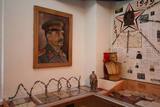 |
The local museum offers an interesting and extensive exhibit related to World War II at the Kurzeme fortress and the fate of Latvian soldiers who took part in the war. There are also exhibits related to the history of World War I and World War II, complete with a collection of civilian and military objects. Among them – a YI-2 airplane, an armoured personnel carrier, a Red Army tank, and all of the trenches and bunkers of the relevant era.
|
|
 |
The word “Luitemaa” means “land of the dunes” in Estoninan. This coastline territory stretches for 13 km between Vöiste and Häädemeste with shallow waters, large coastal plains, Estonia’s highest dunes, and the Tokuse swamp (Tokuse raba). There are lots of birds here.
|
|
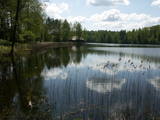 |
Lake Salājs is full of bays and islands. Alongside Lake Little Solojs, which is next to Lake Salājs, is the Milka castle hill and a leisure facility there. This is a beautiful area, and it is protected for environmental purposes. |
|


