
| No | Name | Description |
|---|---|---|
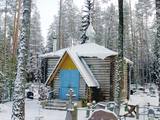 |
All Saints Orthodox Church of Malta (Rozentova) was built in
1928. It is the wooden log building with double window frames and a
dome. Facades are decorated with the motive of the sun.
|
|
 |
Observatory which was built (1808. – 1810. g.) Southeast of Doma Hill is called pearl of Estonian's science. There's a museum inside. |
|
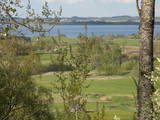 |
The flat surface of this large hillock (247 m above sea level, ~60 m above the surrounding area) offers one of the most beautiful landscapes in Latgale, complete with Lake Rāzna. During the 13th century, the Livonian Order built the Volkenberga Castle on the hillock, and it was thought to be practically impenetrable. Fragments of the castle’s walls remain visible today. |
|
 |
Farmer’s market Lõunakeskus sells locally grown Estonian produce or products made from local ingredients both for everyday life and festive occasions. Versatile products come mainly from farms in Southern Estonia, but can also be found in other Estonian regions. There is also a cosy café, where you can enjoy meals made from fresh produce from the market. |
|
|
|
Biškopības produkti bioloģiskajā saimniecībā, informācija par biškopību un dabas aizsardzību. |
|
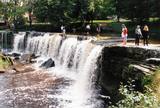 |
This is one of the loveliest waterfalls in Estonia – up to 6 m in height and 50 m in width. Recommended: The rapid Keila River has carved a cliffy canyon behind the waterfall, with a flow of water that falls down a major distance. It’s worth hiking through the Keila park to the shore of the Bay of Finland (~1 km), then returning along the other bank of the river.
|
|
 |
In a document from 1387, the village is named Minor Irva. Until the mid-20th century, Mazirbe was the largest Livonian village on the coast of Kurzeme. It was a fishing village and a centre for fishing. The village had a church, school, pharmacy, forestry company, several stores, a post and telegraph office, train station, barber shop, bakery and photo workshop, as well as a brick kiln. During the 1930s, a local fishing co-operative built a fish processing plant here. The Livonian Association was established here in 1923, and the Livonian People's Centre was opened in 1939. Oppoite the centre is the Stūrīši homestead (the home of the Taizel dynasty), where you can learn about everyday household objects and, by ordering it advance, taste local foods. The first chairmen of the Livonian Association, Kārlis Stalte and Māritņš Lepste, lived in Mazirbe. Cultural worker Kārlis Stalte (1870-1978) spent man years as the verger and organist of a church in Mazirbe. Mārtiņš Lepste was a Livonian language teacher in the 1930s. The former Maritime School building can be viewed from the outside. Some 2,000 students attended the school between 1894 and 1914. During Soviet years, the army had a base here. |
|
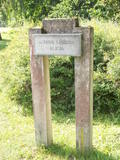 |
Marking of the Jānis Lībietis Alley in the
Ķemeri Park – Lībietis directed the institution
which managed the Ķemeri sulphurous springs
from 1928 until 1944, and the monument to
him is at the end of the Jānis Lībietis Pathway
|
|
|
|
Xранилище старинных предметов находится на втором этаже здания Туристического информационного центра в Нице. Здесь представлен более чем столетний народный костюм Ницы со всеми неотъемлемыми принадлежностями - юбкой, корсажем, кафтаном и шапкой с «ушками». В ницанском сундуке для приданого хранятся работы местных рукодельниц, которые продолжают местные ремесленнические традиции. Посетители могут ознакомиться с ницанскими одеялами, платками, скатертями и другими пригодными в хозяйстве вещами, а также с рукавицами и носками. |
|
 |
The guesthouse is on the side of the Rēzekne ring road (A12). The lady of the house offers Lettigalian dishes based on local ingredients, and she works with local farmers and fishermen. |
|
|
|
Bērzes upes labajā krastā, vietā, kur tagad paceļas Dobeles pilsdrupas, jau 1. gadu tūkstotī p. m. ē. atradās zemgaļu apmetne un vēlāk – koka pils. Gandrīz simts gadus pils izturēja vairākus krustnešu uzbrukumus un aplenkumus, un tikai 1289. g., kad vācieši bija pilnībā izpostījuši apvidu un tālāka pretošanās kļuva bezcerīga, zemgaļi paši nodedzināja savu koka pili un neuzvarēti aizgāja uz Lietuvu. 700 gadus vēlāk, 1989. gadā, godinot zemgaļu cilšu piemiņu, bijušās senpilsētas vietā tika atklāta piemiņas zīme, ko veidojis mākslinieks Mārtiņš Zaurs. Akmenī iecirsts teksts: “Zini, no šīs vietas pirms 700 gadiem zemgaļi aizgāja lepni un brīvi”, kā arī dzejnieka Viļa Plūdoņa vārdi : “Mēs svešā malā ejam, bet sirds mums paliek te”. |
|
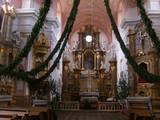 |
This is one of the most outstanding Catholic churches in Latvia. The current building was built in 1761 in the Polish Baroque style. The interior from the 18th century is original and very ornate. Each year there are spiritual music events and Polish cultural festivals here. The guide will give you a tour of the church and of other tourism destinations along the frontier line of the EU (please be sure to bring along your passport!). |
|
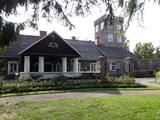 |
The Burbišķe Estate houses the Daugivene Culture and History Museum. The 28 ha territory is environmentally protected. The central part of the park has a pond that covers 3 ha and has 15 islands and 11 bridges, both large and small. Since 2000, the estate has hosted a tulip festival with some 300 types of tulips. |
|
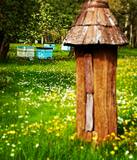 |
This is a beautiful farm that is friendly to the environment and has some 300 hives of bees. There is a shop along with a tasting hall where you can enjoy honey made of various flowers, pollen (including pollen in honey), propolis (also in honey) bee bread, wax and souvenirs. Taste beekeeping products (including honey wine) and take a tour of the farm, as well. This farm uses traditional hives to extract honey, and it offers a look at hives that were used in the past. The owners are happy to talk about the development of beekeeping in Latvia and their experience in this regard. New! BeeHive bee healing therapy! |
|
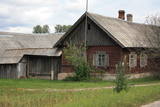 |
Apdzīvota vieta ~ 1 km dienvidos no Daugavpils – Krāslavas (A 6) ceļa, kas pazīstama ar savu neparasto nosaukumu. Interesanti, ka vietvārds saistīts arī ar iedzīvotāju uzvārdiem, ko var redzēt tāda paša nosaukuma kapos. Ciema apkaimē pazīstams ir Lielo Muļķu svētavots, kuru gan nezinātājam ir grūti atrast, tādēļ ieteicams izmantot vietējā gida pakalpojumus, apvienojot šīs vietas izziņu ar biškopības saimniecības „Cīruļi” apskati. |
|
 |
Mežvidi (SIA Latgale Vegetable Logistics) began operations in 2007 and sells tasty and healthy red tomatoes. The owners plan to grow and deliver tomatoes during the winter, when people have the greatest need for healthy and vitamin-rich vegetables. The farm helps to facilitate co-operation among people who farm vegetables, and it informs the public about how tomatoes are grown. |
|
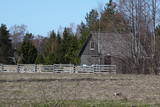 |
This village appears in historical documents from 1310. A census in 1582 and 1583 recorded eight farms in the village, while a 1731 census conducted by the Dundaga Estate found only three. In 1826, each farm had 16 or 17 people, with some 60 in total. A census in 1935 showed that all 49 Livonians in Saunags spoke the Lithuanian language, but only 11 of them spoke the language at home. There was a store that was owned by Kārlis Tilmanis, who also owned a factory where sprats were salted. Also born in Saunags was the seafaring captain Arvīds Ludeviks (1912-1996). In May 1945, he captained a tugboat, the Rota, in an attempt to bring Latvian refugees to Sweden. The ship was detained, and the captain was sent to Siberia. Another seafaring captain from Saunags was Visvaldis Feldmanis (1938-2017). |
|
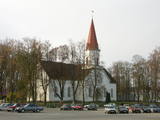 |
Until 13th century, Smiltene region was a part of Talava country, inhabited by Latgalians. After Crusaders invasion it was won by the Archbishop of Riga, and he built a stone castle on the steep river bank of Abuls in 1370. The following wars and epidemics did not spare the development of settlement, nor the people. Present shape of the town began to emerge in 19th century along with the vigorous activities of owner of Smiltene manor first Lieven. Until the World War I, wood working factory, hydroelectric power plant (established in 1901, first in the Baltics), and other companies were operating in Smiltene. In 1944 when the German forces retreated, much of the Smiltene historical buildings were destroyed in the fire. |
|
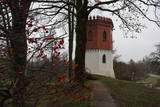 |
С XV века в Приекуле правил род баронов Корфов. Один из них – Иоганн Альберт Корф (1697 - 1766.) был президентом Петербургской Академии наук (1734 - 1740 гг.), дипломатом и литератором, который занимался исследованием истории Курземе. Приекульский замок находится на западе от улицы Айзпуте, на берегу реки Вирга. Первоначально дворец господской усадьбы построили в XVIII веке, а в конце XIX века велись большие работы по перестройке здания (проект Пауля Макса Берчи). В здании находится Приекульская средняя школа. Примерно в 100 м к востоку от господской усадьбы возвышается смотровая башня усадьбы (построена в конце XIX века), над которой развевается государственный флаг Латвии. |
|
 |
The "Kandava" café is located in the centre of town alongside Market Square and the Kandava Hotel. Latvian cuisine: Herring with potatoes and cottage cheese, oatmeal, homemade steak haché, stuffed crepes, cottage cheese buns with jam. |
|


