
| No | Name | Description |
|---|---|---|
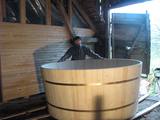 |
The craftsman represents the fifth generation of the oldest dynasty of Latvian barrel makers. The family began such work in the early 19th century, and he is continuing on with traditions related to barrels that are made of oak and ash. He will talk about the various aspects of making a barrel, and you will be able to watch him at work. The craftsman produces barrels, wooden tubs, scoops for saunas, etc. You can order and purchase these items. |
|
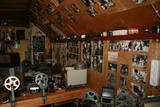 |
This is a collection of cinema and photography items collected by the owner of the Ziķu homestead in the Zirņi Parish, which is in the Saldus Administrative District. The collection includes antique film cameras and objects that demonstrate the process of taking pictures and films. The exhibition is in a log building that the owner built – one that resembles bee cells. Please contact the owner in advance for a tour. |
|
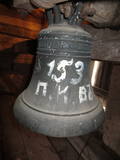 |
The church was opened in 1651 after half a century of sometimes interrupted construction. It was fully rebuilt and took on its current appearance in 1876. The church contains one of the most important church objects in Latvia – the oldest pulpit in the country (1590). It was designed in the style of Mannerism. The church also has a bell from a wrecked chapel of the local knighthood. The bell was manufacture in 1450 and was installed at the church in the 19th century. It is the oldest church bell in Latvia. The German painter F. Wolff painted the altar painting, “Christ on the Cross,” and it, along with the altar, have recently been restored. |
|
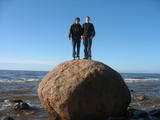 |
Covered with rocks and with small capes and inlets, this is the eastern shore of the Bay of Rīga and the only place in Latvia where sandstone outcrops are found. These are the result of the abrasive effects of waves between Tūja and Vitrupe. Among the most distinguished of these outcrops are the Veczemi cliffs, which are less than half a kilometre long and up to four metres high. The area has been improved for tourists. It has to be said that this part of the shoreline changes very often, particularly after large storms.
|
|
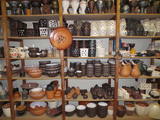 |
This old brickmaking kiln is used to prepare clay that is used by many ceramics artists. The owners also produce handmade household and design objects. Tours are available with attractive stories and creative workshops. Individual orders are also accepted. |
|
 |
The café is in the centre of Ludza with a lovely view of local churches and a castle hill. Lettigalian foods made of various ingredients are offered. |
|
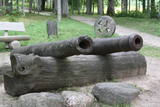 |
Established in 1900 at the place where the Pērse River flows into the Daugava (now the reservoir of the Pļaviņas hydroelectric power plant), the park offers a look at 17th century Swedish cannons and monuments from Medieval graves. Next to the high school in the park is a restored fountain, “Head of a Faun,” which was near the legendary Pērse waterfall during the 1930s. The waterfall is now underwater, but its location is indicated by a stone sculpture, “Girl of Pērse,” which was created by the sculptor Juris Zihmanis. A path leads to an 11 metre high wooden sculpture, “For Eternity,” by the sculptor Ģirts Burvis, and another sculpture, “Little Owl,” which is the work of the Rurāns brothers, both of whom are sculptors of wooden sculptures.
|
|
 6 days
|
From Riga the route goes to the goats farm where to enjoy funny and cute animals and try exclusive cheeses. Then visit Mālpils Manor and taste the selection of local cheeses made from cows' milk. Afterwards the route turns towards Daugava river to Skriveri for some gorgeous home made ice-cream and traditional hand-made toffees "Gotiņa". Further on head to the legendary Koknese castle ruins. Next day the route goes to the ethnographic working farmstead located in picturesque spot of Jaunpiebalga and family cheese and macaroni production in Rauna. Nearby there are clay production established within the former brick factory where the hand-made ceramics creation can be observed. Then sightseeing in Cesis with its old town and medieval Livonian Order Castle. Further on the route goes to hemp growing farm where to taste them prepared traditional way. Then you have an excursion and tasting at the Rujiena ice-cream factory. Stay at the former mill where ancient wool processing equipment are still used and can be seen. Heading back to Riga the route follows the coast line. Visit the museum of the biggest liar in the world - Munchausen, where you are entertained with his fantastic adventure stories, visit the lamprey fishermen and have a stroll on sandy beach. |
|
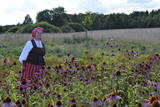 |
The lady of the house greets visitors in a folk costume, offering an educational programme in the local Žemaiši language. She talks about herbal teas and how to find the herbs and brew them. Along with the tea, the lady offers homemade cheese, bread, pierogi and honey. The guesthouse is on the banks of Lake Beržoris, not far from Lake Platelys. The Žemaitija National Park is nearby and easily reached on foot, by bike, by boat or by car. |
|
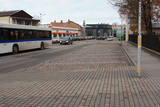 |
Ap 200 m garajā un izstieptās formas laukumā no 16. – 20. gs. atradās Liepājas tirgus. Laukuma malās tolaik bija izveidojusies vienstāvu apbūve – iebraucamās sētas, viesnīcas un dārzi. Līdz ar Pētertirgus izveidi 1910. gadā, izmainījās arī laukuma apveidi un to ieskaujošā apbūve. Laukuma DA malā slejas iespaidīgā Liepājas Svētās Annas Luterāņu baznīca. |
|
 |
This viewing tower is on a narrow peninsula among Lake Lukna, Lake Višķi, and Lake Boltars. From it, you can see all three lakes, the hillocks of the area, as well as Ambeļi and Višķi. Come here when the bird-cherry trees are in bloom!
|
|
 |
The Cheese hut dates back to 1768 and was once part of the Kalnamuiža (Smiltene) Estate. It is the only object of industrial heritage that is still found in Latvia. On the first floor there was the storage of milk and a set of cheese pots. Stairs to the second floor have been lost. The second floor was used to dry cheese, and the process was facilitated by holes in the walls of the hut so that the wind could help in the process. Although the holes have been filled up, their placement can still be easily seen. The Cheese hut is alongside the ruins of the Medieval castle in Smiltene. Sadly, it is in terrible shape and can only be viewed from the outside. |
|
 |
The restaurant is in the Park Hotel Latgola with a broad view of the city from the 10th floor. It offers Lettigalian and global cuisine. |
|
 |
Одно из сравнительно редких мест, где на побережье можно понаблюдать за рыбаками в работе. Ветряная мельница «Клаюми» (1930 г.) является одним из самых высоких сельских строений. Рядом с мельницей находится Юрмалциемский Туристический информационный пункт, информационный стенд и место для отдыха.Здесь же видны старые деревянные корпуса барж, брошенных рыбаками. Экспозиция«Старинные предметы жителей Юрмалциемса» находится в восточной части поселка, где в деревянном сарае представлены собранные местными энтузиастами предметы быта и орудия труда окрестных жителей. |
|
 |
Atrodas Cēsu rietumdaļā – pie ceļa, kas ved uz Cīrulīšiem. Piedāvājumā – plašs ēdienu klāsts no brokastīm līdz vakariņām. |
|
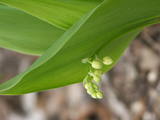 |
This is an uncommon trail. The visitor will learn all about quite “ordinary” trees such as the oak, the linden, the hazelnut, the fir and the pine. The information is quite interesting, however, making use of the heritage of Latvian folklore. The site is located near the Zvārte rock. Visitors will spend around one hour on the trail.
|
|
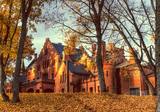 |
Castle's prototype is England's Windsor castle. Sangaste Castle was finished in 1883. Its last owner was Friedrich von Berg (1845. - 1938.) - known grain selector. Near the castle is a park. |
|
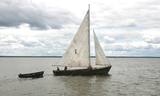 |
Kale is a traditional wooden sailing ship for trawling nets on Lake Võrtsjärv, but its graceful appearance with two triangular sails often inspired pleasure trips too. Võrtsjärve Foundation supported the building of the ship Paula, completed in 2005 and Liisu in 2009. Trips aboard a kaleship are a genuinely memorable experience. |
|
|
|
Nepilnus 3 km garā taka iepazīstina ar dziļo Imulas ieleju – Abavas kreisā krasta pieteku. Īpaši iespaidīga ieleja izskatās bezlapu periodā, kad ir apjaušami tās izmēri un formas. Viens no takas iespaidīgākajiem objektiem ir Buses jeb Matkules pilskalns. Apskatāmi citi objekti – Baznīckalns, Bedrīšakmens, Ķauķa kalns ar avotiņu. Atrodas dabas parkā „Abavas senleja”. |
|
 |
Atrodas ļoti skaistā vietā – Krimuldas muižas kompleksa teritorijā, vienā no muižas vēsturiskajām ēkām. Mājīgs interjers, mākslinieka J. Annmaņa apgleznotas sienas. Piedāvā turpat muižā darinātos mājas vīnus un „Muižas stipro”. Garšīgas tējas, uzkodas un siltie ēdieni. |
|


