
| No | Name | Description |
|---|---|---|
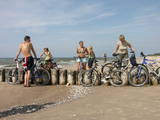 |
The most important aspects of this park are a shallow lagoon-type lake – Lake Pape, with its flood land meadows, the shore of the Baltic Sea, the Nida swamp, and the more than 270 different types of birds that have been spotted here. The oldest bird ringing station in Latvia (est. 1966) is found between Lake Pape and the Baltic Sea. Birds and bats are caught and ringed there. Lake Pape is the first place in Latvia where so-called “wild” horses (the “Konik” breed) were released with the aim of managing the flood land meadows.
|
|
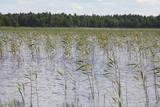 |
There is picnic area and information stand at the end of the forest path leading from Muiznieki to Klanu Bog. Klanu Lake was formed in the place of Littorina marine lagoon. Nature restricted area was established to protect biotopes in the area of Klanu, Dziru and Stavu Lakes. There is wide information about the area available on the information stand.
|
|
 8 days
|
The tour from Riga to Tallinn combines natural, cultural and culinary heritage and includes lovely landscapes and 15 nature trails which cross marshlands, meadows and forests along the shores of the Baltic Sea. The itinerary brings you directly to where local specialities are produced so that you can enjoy them freshly made and authentic. You will watch lamprey being prepared for you on a grill, and you will savour treats such as home-made ice-creams where they use eggs from happy hens of the farm, smoked meat from local farms, and many others. On this tour, you will become a true expert of the traditional and modern Latvian and Estonian cuisine. As the farms producing foods are often located in beautiful nature areas, you will combine culinary and nature experiences on this tour. There are many nature trails equipped with viewing towers for birdwatching. Randu meadow near Ainaži contains one third of Latvia’s entire plant species. A boardwalk leads through reeds to a viewing platform with views over the meadow and the sea. Saaremaa Island has a great variety of natural attractions that are different from those on mainland Estonia. There are dolomite cliffs, juniper heaths, a meteorite lake and rocky sea shore. The tour passes rural farms and traditional villages typical of the coastal areas. Hiiumaa Island is a laid back place and retains a very Estonian atmosphere with an important bird reserve at Käina Bay, unusual Sääre Tirp, as well as several small islets off its south-eastern coast. Back on the mainland, Paldiski peninsula gives a glimpse of the recent history with its former Soviet military base. |
|
 |
Atrodas galvenās Kuldīgas gājēju ielas malā. Sadarbojas ar vietējiem zemniekiem un piedavā Kurzemes novadam raksturīgus ēdienus, kā arī ēdienus no dažādu pasaules valstu receptēm. |
|
 |
Uibo farm offers customers fresh pork dishes, using as little preservatives and additives as possible, characterised by traditional Estonian flavours. |
|
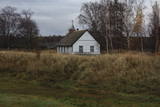 |
Labi aplūkojama (neliela izmēra vienstāvu ēka) no Klajumu vējdzirnavu puses. Baptistu draudze Jūrmalciemā dibināta 1933. gadā. |
|
 |
Männiku forest farm uses local ingredients, especially from plants. Thanks to the years of experience in the production of plant origin food, the farm is visited by guests from all over the world; only groups are admitted. |
|
 |
Viena no 19. gs. sešdesmito gadu sākumā būvētās St. Pēterburgas – Varšavas dzelzceļa līnijas stacijām. Kaut arī sliežu ceļš joprojām turpinās Baltkrievijas virzienā (tālāk – pamests), Marcinkones dzelzceļa stacija ir pēdējā, līdz kurai pasažieri var nokļūt ar vilcienu no Viļņas (3 reizes dienā). Arī kravas vilcieni tālāk nekursē. Stacijas ēka ir izcils koka arhitektūras un stacijas kompleksa apsaimniekošanas piemērs. No Marcinkones dzelzceļa stacijas virzienā uz Čepkeļu purvu savulaik ir bijis izveidots šaursliežu dzelzceļš, kuru izmantoja kokmateriālu izvešanai. Tā vietā šobrīd ir saglabājies vecs meža ceļš, kur plānots izvietot šaursliežu dzelzceļu tematikai veltītu informācijas stendu. |
|
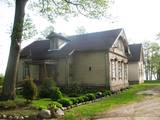 |
The cosy land road along the sea is 1 km long, and it offers a look at the wonderful aspects of the village. To the right are rocks from the sea, as well as miniature flower gardens on the seashore with tempting benches and overturned boats. On the side of the shore is the Kaltene library, which is more than 100 years ago. It was initially a summer home for Baron Nolken, and it was built in 1899. Later it was rebuilt several times and took on new roles. An elementary school was installed here in 1926, after which it became a club and then, in 1992, a primary school once again. The path runs along beautiful seashore homesteads, among which one can find the former homes of old fishermen and ship builders such as Burliņi. At one time, the Žulnieki portage at Smilgas was the site of the kiln of blacksmith Pēteris Valdemārs. He was the main blacksmith for ships between Kaltene and Upesgrīve. (Source: Roja TIC) |
|
 |
Baltijā lielākās HES celtniecību uzsāka 1961. g., bet pabeidza 1966. g. Tajā uzstādīto 10 hidroagregātu projektētā jauda bija 825 MW. Pļaviņu HES tiek uzskatīta par unikālu, jo pirmoreiz HES būvniecības praksē tā konstrukcija tika balstīta uz mālsmilts un smilšmālu gruntīm ar maksimālo spiedienaugstumu - 40 m! Pļaviņu HES ēka ir apvienota ar ūdens pārgāzi, zem kuras atrodas Latvijas garākais tunelis - Enerģētiķu iela. 20. gs. deviņdesmitajos gados Pļaviņu HES rekonstruēja un tagad tās jauda ir sasniegusi 870 MW. Apmeklētāji var iepazīt mašīnzāli, skatu laukumus un HES maketu. |
|
 8 days
|
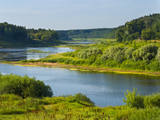
The Daugava River is known as our river of destiny, the Daugava of our hearts, or our beloved mommy. It is a large and full-blooded artery of water that has flowed through our land and our history. The Vikings were aware of the river during the 5th century AD. Krāslava is the site of an ancient castle hill, and the fearless sailors were well aware of it in that downriver from it, the ships could sail with raised sails. It is known in Viking sagas as Dynasaiforgarðr. Goods from the East sail down the river to Rīga, where it is reloaded into seafaring ships for delivery to Europe. That has been the case for many centuries. Many powers wanted to control and govern the process, as is seen in the large number of castle hills, castles and populated areas around the river’s banks. The majestic ruins of the Koknese Castle, Krustpils, the grassy and mighty castle hill at Aizkraukle, another one at Daugmale. The unique fortresses at Daugavgrīva and Daugavpils are like large keys that lock or unlock this mighty and ancient trade route. Under the water in the Daugava are the ruins of the ancient Ikšķile Castle that was built by St Maynard himself. It is seen as the first brick building in the Baltic States. Nearby is Death Island, where Latvian riflemen fought for the future of their country and their land, defending each square metre of land. The Daugava proved insurmountable for Bermont’s troops, and the riflemen defended Rīga successfully. The curves of Daugava are unique. The village of Slutišķi is particularly known because the Daugava there is just like it has been in the past. The high dolomite shorelines and canyons that once made the Daugava unique in all of Northern Europe have now been lost in the reservoirs of hydroelectric power plants, as has the eternally weeping cliff of Staburags, the Liepavotu stream and the Pērse waterfall. The age of national renaissance in Latvia importantly began with a battle against the construction of another power plant on the Daugava, which would have fully destroyed the beauty of the noble river. We managed to protect it, if only a small part of it, but we succeeded. We must not stop! |
|
 |
The company produces butter, cream, cottage cheese, cottage cheese products, yoghurt and desserts, using high-quality milk that comes from more than 100 local farms and three co-operatives. Technological processes are observed and improved during the manufacturing process so that the product retains its value in terms of taste and nutrition. Tourists are welcome, and tastings are available. This is one of five companies in Latvia that can produce “Summer Solstice” cheese as an EU guaranteed traditional product. The company’s products also have the “Green Teaspoon” quality mark. |
|
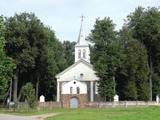 |
Sts. Peter and Paul Roman Catholic Church of Ozolmuiža was built in 1820 by the foundation of
counts Plāteri-Zībergi. It is a stone building with a small bell tower. The church has a huge stone altar with
four columns and a massive cross. It is a monument of state importance.
|
|
 |
The Cheese hut dates back to 1768 and was once part of the Kalnamuiža (Smiltene) Estate. It is the only object of industrial heritage that is still found in Latvia. On the first floor there was the storage of milk and a set of cheese pots. Stairs to the second floor have been lost. The second floor was used to dry cheese, and the process was facilitated by holes in the walls of the hut so that the wind could help in the process. Although the holes have been filled up, their placement can still be easily seen. The Cheese hut is alongside the ruins of the Medieval castle in Smiltene. Sadly, it is in terrible shape and can only be viewed from the outside. |
|
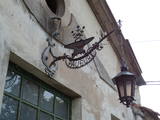 |
The craftsman produces practical and household items on the basis of Latvian ethnography, also continuing old traditions related to Latvian blacksmith operations. You can forge your own nail or horseshoe. |
|
 |
In 2006, a wooden pathway was installed across the Planči swamp – 500m long, which means that the visitor will spend around 20 minutes there. This is probably the only nature trail in Latvia for which there are plans to post information in Braille for people with impaired vision.
|
|
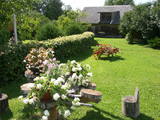 |
The farm produces dairy products and strawberries. You can learn to bake rye bread, make cheese and ice cream, and look at sheep, goats, pigs, calves, cows, horses, chickens, rabbits, guinea pigs, etc. If you like, you can help with the farm work and taste and purchase the products. |
|
 |
One of Northern Europe's oldest universities (founded in 1632). Many famous people and scientists have studied here. Main building (1804. – 1809.) is one the country's most excellent monuments of Classical architecture. |
|
 |
The diner is found in a former church school building. Delicious dishes are made of local ecological produce; local fishermen supply the fish on the menu. Local crafts are on sale in the handicraft shop. |
|
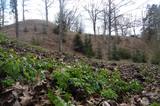 |
The Buse (Matkule) castle hill is next to the Imula River. The hill and the opposite bank of the river offer one of the loveliest views of small rivers in Kurzeme. They are best seen during the season when trees are bare so that leaves do not cover up the landscapes. There are trails for pedestrians in the area. |
|


