
| No | Name | Description |
|---|---|---|
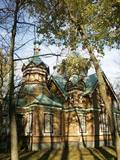 |
Located at 1 Katedrāles Street. The oldest church in Ķemeri was built in 1893 in the style of the wooden churches of the Northern Russia. (Architect V. Lunskis). Near the church, there are buried 97 Russian soldiers killed in World War I for whom in 1925, a monument was unveiled-a black marble cross. Not far from the church you can find the Brethren's Cemetery and a monument to the Soviet soldiers who died from the wounds in World War II and after the war. This is the oldest church in Ķemeri. According to legends, it is built without a single nail. You can see the church during the worship but the visitors must be appropriately dressed! During the rest of the time, the building can be viewed from the outside. |
|
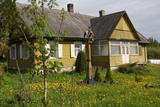 |
Kretoņu (Kretuonas) ezera dienvidu krastā (ezeru gan neredz aizauguma dēļ) meklējams Kretoņu ciems. Šķiet, ka šī vieta ir „aizķērusies" pagātnē. Cauri ciemam iet viena iela, kurai abās pusēs izvietojušās 19. – 20. gs. mijā (dažas pat mazliet agrāk – 19. gs. vidū) celtās saimniecības. Te redzamas gan dzīvojamās, gan saimniecības ēkas, kuras rada etnogrāfiska brīvdabas muzeja sajūtu. Dažas no tām gan ir „padevušās" laika zobam. Lai vai kā, šis ir viens no neparastākajiem nacionālā parka etnogrāfiskajiem ciemiem, kuru pa „galveno ielu" vērts izstaigāt visā garumā. Šim, tāpat kā pārējiem etnogrāfiskajiem ciemiem ir piešķirts kultūras mantojuma objekta statuss. |
|
 |
The family restaurant "Hercogs" is situated in the centre of the city of Jelgava, alongside Duke Jacob Square. The chefs use local ingredients and have a partnership with the “Rudiņi” deer garden. Latvian cuisine: Cold soup, venison goulash soup, venison chop, roast pike-perch or catfish, roast pork, sautéed lamb, potato pancakes, sea buckthorn dessert. Special foods: Filet of beef baked on rocks. |
|
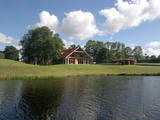 |
The pride of this guesthouse is the cellar which houses a large collection of wines produced at the farm. You can buy apple, grape, cherry, blackberry, cranberry, gooseberry and rhubarb wine. |
|
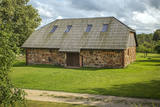 |
One of the 15 semi-estates of the former Dundaga Castle, Vecmuiža, has a private collection of historical materials. |
|
 |
The craftsman produces wooden dishware and other products, making use of many local species of trees. The technique is unusual and reveals the specific texture of timber. The artist has masterfully integrated amber, bone and animal horn in his dishware. He also engraves spoons with ethnographic signs. You can commission or purchase products from the master craftsman, who also restores wooden furniture. |
|
 |
Eine gut eingerichtete Strecke des Flusses Driksa (ein Nebenarm des Flusses Lielupe) mit einer zweistufigen Promenade, der im Baltikum einzigartigen Brücke Mītava, Aussichtsplätzen, dem Denkmal Student von Jelgava u.a. |
|
 |
Baltijā lielākā keramikas fabrika. Tūristu grupām piedāvā ekskursiju pa ražotni. Blakus atrodas veikals, kurā var iegādāties keramikas izstrādājumus – gan praktiskas lietas, gan interjera priekšmetus un suvenīrus. |
|
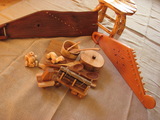 |
Guntis Niedoliņš is a master craftsman, and at this workshop he manufactures wooden jewellery, furniture, interior design objects, spoons, shovels, etc. |
|
 |
The owners of Tahku coastal houses organise cucumber marinating and salting workshops with a happy mood. Cucumber festival Tahkuranna takes place every year on 20 August, and there you can buy canned cucumbers, local food and handicrafts, participate in master classes, and also make handicrafts. |
|
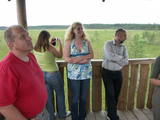 |
The tower is beyond the Oleri estate, in the small Oleri swamp, where at the end of a wooden footpath you can step upward a bit and learn about the landscape of a transitional swamp. This is part of the ZBR.
|
|
 2 days
|
Эта поездка на автомобиле предусмотрена для всей семьи и особенно понравится детям. Вы сможете понаблюдать за работой гончара, а также мастер с удовольствием посвятит Вас в секреты своего мастерства. Побывать в гостях у барона Мюнхаузена, знаменитого своими многочисленными приключениями. Погулять по улочкам Цесиса и отправиться дальше в крестьянское хозяйство, где разводят кроликов. Малышам особенно понравится играть с крольчатами в открытых вольерах. Хозяева оленьего питомника расскажут о жизни диких животных – оленях, кабанах. Вы сами сможете наблюдать за животными со смотровых вышек. В хозяйстве экзотических животных увидите страусов, муфлонов, пони и карликовых свиней. По пути домой рекомендуем насладиться красотами Сигулды. |
|
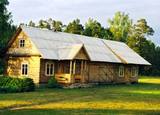 |
Lauku sētas atrodas pie upītes, ciema nomalē, kas jau izsenis bijusi mājvieta biškopjiem. Vieta piemērota mierīgai atpūtai. Izglītojošas nodarbības ikvienam, kas ir ieinteresēts Dzūkijas kulinārajā mantojuma, amatniecībā un tradīcijās. Maizes cepšana, pīrāgi ar sēnēm, olu rotāšana ar vasku, pinumi no salmiem. Vakarēšana ar dzuku dziesmām un dejām. Tautastērpu izgatavošana gan bērniem, gan pieaugušajiem. |
|
 8 days
|
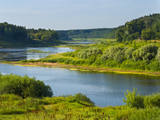
The Daugava River is known as our river of destiny, the Daugava of our hearts, or our beloved mommy. It is a large and full-blooded artery of water that has flowed through our land and our history. The Vikings were aware of the river during the 5th century AD. Krāslava is the site of an ancient castle hill, and the fearless sailors were well aware of it in that downriver from it, the ships could sail with raised sails. It is known in Viking sagas as Dynasaiforgarðr. Goods from the East sail down the river to Rīga, where it is reloaded into seafaring ships for delivery to Europe. That has been the case for many centuries. Many powers wanted to control and govern the process, as is seen in the large number of castle hills, castles and populated areas around the river’s banks. The majestic ruins of the Koknese Castle, Krustpils, the grassy and mighty castle hill at Aizkraukle, another one at Daugmale. The unique fortresses at Daugavgrīva and Daugavpils are like large keys that lock or unlock this mighty and ancient trade route. Under the water in the Daugava are the ruins of the ancient Ikšķile Castle that was built by St Maynard himself. It is seen as the first brick building in the Baltic States. Nearby is Death Island, where Latvian riflemen fought for the future of their country and their land, defending each square metre of land. The Daugava proved insurmountable for Bermont’s troops, and the riflemen defended Rīga successfully. The curves of Daugava are unique. The village of Slutišķi is particularly known because the Daugava there is just like it has been in the past. The high dolomite shorelines and canyons that once made the Daugava unique in all of Northern Europe have now been lost in the reservoirs of hydroelectric power plants, as has the eternally weeping cliff of Staburags, the Liepavotu stream and the Pērse waterfall. The age of national renaissance in Latvia importantly began with a battle against the construction of another power plant on the Daugava, which would have fully destroyed the beauty of the noble river. We managed to protect it, if only a small part of it, but we succeeded. We must not stop! |
|
 3 days
|
This tour will take you exploring the peculiar island of Rusnė and the delta of the river Nemunas in Lithuania. The island of Rusnė in the Nemunas Delta Regional Park is enclosed by waters of the river Nemunas and its tributaries. It is a resting place for migratory birds and home to a cormorant colony. The area of the island is 45 km2 and it is connected to the mainland by a bridge. The island of Rusnė is the lowest place in Lithuania, lying below sea level. The historic centre of the town Rusnė is characteristic of authentic wooden architecture, buildings painted in bright colours, colourful window shutters and decorations. The Baltic Coastal Hiking Route leads through the small town of Šilutė, revealing architecture that was once common to East Prussia. From Šilutė to Kintai, the Baltic Coastal Hiking Route runs along a low plain. To protect this area from flood waters of Nemunas, there is a system of dams, polders and canals established. After crossing the river Minija, the route invites you to visit the ethnographic village of Minija. Here you can enjoy the lowland landscape of the seaside region with vast wetlands and ponds. |
|
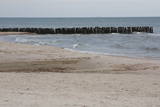 |
This is an enormously important territory for migrating birds. The most commonly spotted protected species of birds are the velvet scoter, the black scoter, the long-tailed duck, the little gull, the red-throated and black-throated loon, and the black guillemot. The territory is opposite the Dundaga and Ventspils administrative districts, and it covers 172,412 hectares.
|
|
 |
The restaurant and deli is located in Cēsis, on the way from Valmiera. Modern interior, relaxed atmosphere and delicious dishes from the produce of local farmers. The menu is rich not only with meat and fish dishes, but also with a wide range of vegetarian dishes. |
|
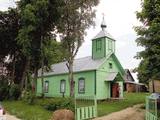 |
Uļjanova Old-Believers Prayer House was built in 1875. The house
is a modest building where everyone can come to confess. The Prayer House is not rich in decorations.
|
|
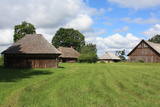 |
“Vēveri” is located 7 km to the North of the centre of Vecpiebalga and offers a look at typical and authentic farms and craftsmen’s operations from the Piebalga landscape in the 19th century. You will wee ancient tools and household objects, as well as a recently restored windmill. |
|
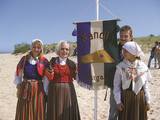 |
In a document from 1387, the village is named Minor Irva. Until the mid-20th century, Mazirbe was the largest Livonian village on the coast of Kurzeme. It was a fishing village and a centre for fishing. The village had a church, school, pharmacy, forestry company, several stores, a post and telegraph office, train station, barber shop, bakery and photo workshop, as well as a brick kiln. During the 1930s, a local fishing co-operative built a fish processing plant here. The Livonian Association was established here in 1923, and the Livonian People's Centre was opened in 1939. Oppoite the centre is the Stūrīši homestead (the home of the Taizel dynasty), where you can learn about everyday household objects and, by ordering it advance, taste local foods. The first chairmen of the Livonian Association, Kārlis Stalte and Māritņš Lepste, lived in Mazirbe. Cultural worker Kārlis Stalte (1870-1978) spent man years as the verger and organist of a church in Mazirbe. Mārtiņš Lepste was a Livonian language teacher in the 1930s. The former Maritime School building can be viewed from the outside. Some 2,000 students attended the school between 1894 and 1914. During Soviet years, the army had a base here. |
|


