
| No | Name | Description |
|---|---|---|
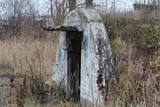 |
In the South-western parts of the former Spilve airfield, you can still see concrete areas on which Soviet-era military helicopters once landed.
|
|
 7 days
|
The tour from Riga to Tallinn combines natural and cultural heritage and includes lovely landscapes and 15 nature trails which cross marshlands, meadows and forests along the shores of the Baltic Sea, including several protected nature reserves. Many trails are equipped with viewing towers for birdwatching. Randu meadows near Ainazi contains one third of Latvia's entire plant species. A boardwalk leads through reeds to a viewing platform with views over the meadow and the sea. Saaremaa island is interesting with very different natural attractions to the mainland - dolomite cliffs, juniper heaths, a meteorite lake and rocky sea shore. The tour passes rural farms and traditional villages typical of the coastal areas. Hiiumaa island is a laid back place and retains a very Estonian atmosphere with an important bird reserve at Kaina Bay, unusual Saare Tirp as well as several small islets off its south-eastern coast. Back on the mainland, Paldiski peninsula gives a glimpse of the recent history with its former Soviet military base. |
|
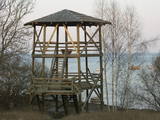 |
This tower is on the shores of the ancient Litorine Sea, with a lovely view of the unique seashore here – complete with small bays and capes. It is part of the Kaltene nature trail, which is around one kilometre long. The location is of particular interest during spring or autumn migration of birds. Two other bird-watching platforms are nearby.
|
|
 |
The Sutru Berry Garden is in the Sutru Parish in the Līvāni Administrative District. It grows blackberries in tunnels, which means that the berries ripen far more quickly than elsewhere in Latvia. You can purchase berries on site. |
|
 |
Latviešu dziedātāja un rakstnieka Marisa Vētras (īstais vārds – Morics Blumbergs) (1901. – 1965.) piemiņas akmens pie viņa dzimtajām mājām „Dārtiņām”. Norādes uz akmeni nav, tādēļ objektam var pabraukt arī garām. |
|
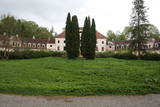 |
Vieta, ko nekādi nevar uzskatīt par tūrisma objektu, bet tajā pat laikā tas ir Latvijas mērogā nozīmīgs kultūras un vēstures piemineklis, ko nevar nepieminēt! Laikā no 1923. – 1943. gadam muižas pilī atradās Latvijā zināmākā mājturības skola, kurā mācījās izslavētās kaucmindietes! Tagad muižas pils ir pamesta, avārijas stāvoklī un apskatāma tikai no ārpuses un „pa gabalu”. Ap 1780. gadu celtā pils, kas 1909. – 1912. g. tika pārbūvēta pusloka būvapjomā, ir Latvijai diezgan unikāls arhitektūras paraugs. |
|
 7 days
|
Professional agricultural tour with visits to local farms typical of the region. We will meet and greet you in Vilnius and have a city sightseeing tour. Next day we go to Kaunas, for professional meetings and sightseeing of the city. On the way to Riga, we visit picturesque Trakai Castle situated on a lake. At Panevezys we have a visit to a professional apple grower. In Riga we have an Old Town sightseeing tour as well as a visit to the impressive Central Market. In Bauska we have a professional visit to a farm specilaizing in implementing innovative farming (grains, vegetables, potatoes). From Riga on the way to Tallinn, we visit Sigulda town and medieval Turaida Castle with great panoramic views to the ancient Gauja Valley. In Tallinn we have an Old Town tour through narrow cobbled streets followed by a professional visit to a dairy farm in Saku, meeting with the Estonian Farm Union and visiting another cattle and crop farm near Tallinn. |
|
 |
Located in the centre of Madona, the café offers foods based on fruit and vegetables from its own garden. |
|
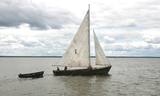 |
Kale is a traditional wooden sailing ship for trawling nets on Lake Võrtsjärv, but its graceful appearance with two triangular sails often inspired pleasure trips too. Võrtsjärve Foundation supported the building of the ship Paula, completed in 2005 and Liisu in 2009. Trips aboard a kaleship are a genuinely memorable experience. |
|
 |
Home restaurant on Kihnu Island, where owners make rich meals, using the island's local ingredients, mainly fish. |
|
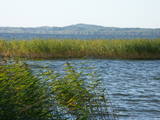 |
The eastern, southern and western shores of Lake Rāzna have roads which offer many lovely and unusual views of Latvia’s second largest lake and its surrounding landscape. Particularly lovely is the road between Foļvarkova and Vilkakrogs, which is part of the Rēzekne-Ezernieki road.
|
|
 |
Z/s "Kaupēni" ir ieguvusi bioloģiskās saimniecības statusu. Kaupēnu saimnieks Valdis Apalups ir pievērsies kazu audzēšanai, gaļai - saimniecībā uz vietas notiek arī gaļas pārstrāde. |
|
 |
Kemeri (Kemmer) are mentioned in the literature sources for the first time in 1561. In the second half of the 18th century and in the beginning of the 19th century the curative properties of Kemeri sulphur spring waters and swamp mud are well known, therefore here representatives of the highest Kurzeme social circles arrive for treatment. The local foresters welcome the guests. During this time the first mud baths are organised. For some time the development of Jurmala and Kemeri beach is terminated by the Fatherland War of 1812. Two decades later – from 1833 until 1835 the benefits of Kemeri were enjoyed by General Governor of the Baltics Graf K. M. Palen, who addresses the Tsar of Russia Nicholas I for supporting further development of the health resort. Plead is supported and in 1836 Tsar allocates 700 ha of state land and grants 100 000 roubles for the construction of sanatorium and paving of the road from Kemeri till Sloka-Tukums high-way. Two years later (in 1938) the first state bath institution is opened. This is also considered the year of founding the health resort. In several stages the formation of Kemeri Landscape Park is begun, which is an important part of the health resort. In the middle and second half of the 19th century further development of the health resort is promoted by steamboat, as well as railroad traffic that are opened in 1877 from Riga till Tukums. In 1912 direct railroad line Kemeri-Moscow is opened. Early before World War I the number of patients reaches 8300 per year. The 1st battlefront of World War I is held in Kemeri swamp for several years and the health resort is significantly destroyed. Despite this fact after the war it develops rapidly and Kemeri becomes a beloved recreation place for the residents of Riga and one of the most modern health resorts in Europe. In 1924 a new bath institution with mud-baths is built in Kemeri, which at the time is one of the most modern in Europe, but in 1936 State President Kārlis Ulmanis opens one of the most prominent buildings of the first independent state of Latvia period – hotel "Ķemeri". Also after World War II – during the Soviet times the health resort is significantly expanded and almost 10 sanatoriums are established within its territory, in which about 100 doctors are employed. In 1971 Kemeri is awarded the status of All-Union health resort. From 1975 until 1985 the largest of sanatoriums is constructed in Kemeri – Līva (initially – Latvija), which has two blocks of eleven storeys. Up to 1200 patients at the same time could receive treatment at Līva, but within a year – up to 140 000 patients. The sanatorium is closed in the beginning of the 90ies of the 20th century as unprofitable. Up to 1994 five sanatoriums operate in Kemeri: "Čaika", "Daugava", "Dzimtene", "Ķemeri" and "Līva" (Latvija) and resort policlinic "Ķemeri". The latter period may be considered the declining fame period of Kemeri as a large-scale health resort. |
|
 |
The pizzeria is situated in Talsi, not far from Talsu lake. Stender’s pizzeria with its nice comfortable setting offers special Stender’s pizzas which are baked according to the old traditions of pizza-making, incorporating the best of nowadays’ recognitions. Undoubtedly, it is impossible to do without pancakes and pots, as well as second-course dishes. Number of seating places:30 |
|
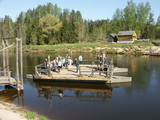 |
Ligatne history is inextricably linked to Ligatne paper mill. At the end 19th century and beginning of 20th century here was built houses, schools, maternity homes, hospitals, clubs, guest houses and other buildings for workers that have survived to the present. During the Soviet period Ligatne mill produced mainly school exercise books, which was sent to all the Soviet republics. Nowadays, the main raw material is recovered paper used for production of wrapping paper. Ligatne paper mill is the only one functioning Latvian company of this kind, and it can be explored with a local guide. Historic centre of Ligatne paper mill has been awarded the status of cultural monument. In the northern part of Ligatne - Gauja river bank the only functioning Gauja river ferry can be found and the only river ferry in the Baltic States, which is powered by river current. The ferry is vehicle of local scale. In the west of Ligatne, Ligatne nature trails are located; where close to natural environment conditions (the best object of this type in the Baltic States) lives red deer, roe deer, wild boar, fox and lynx. Within the territory of Ligatne nature trail a dense network of hiking trails and paved road - cycling route has been created, during the winter it becomes a cross-country ski track. A modern visitor centre is available here. East of Ligatne at Ligatne rehabilitation centre a unique place on the Europen scale can be found - a former Soviet secret bunker that was built as the main living and working place of Latvian senior military and civilian persons in case the nuclear or chemical weapons were used. Bunker was opened in 2003; therefore it remained intact to this day. On the way from Augsligatne to Ligatne go to see Vienkoci Park, where you can explore boats made of single wood peace by the creator of Park Richard Vidzicka, look at the different building models, sand home, and participate in themed activities. |
|
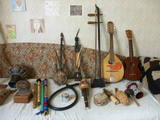 |
The craftspeople use natural materials to produce rattles, wind chimes and musical instruments. They teach children how to make pipes out of reeds. Aleksandrs has a collection of some 100 different instruments which he knows how to play. You can commission or purchase products from the craftspeople. |
|
 |
As part of the Hotel Jelgava, the restaurant serves traditional Latvian dishes, as well as others. Musical evenings are organised. Latvian cuisine: Steak of Latvian-bred ostrich. Special foods: Corn chicken with spinach-potato mash and grilled new carrots. |
|
 5 days
|
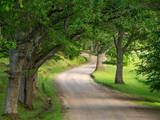
Ancient trade routes distributed not just products, but also knowledge, culture and everything that was new and unknown. Pastor Ernest Glück, for instance, may have already started work on a translation of the Bible into Latvian when he travelled from the Daugavgrīva fortress near Rīga to Alūksne. There he finished his masterpiece and planted two oak trees alongside the manse that are still there. Glück also established the first school in Vidzeme for Latvian children. He was a pastor, translator, author and teacher. Thanks to him, the Hernhutian movement of brethren flourished in Vidzeme after the Great Northern War. It directed spiritual and political development and brought Latvians closer to their national awakening. Of great importance in the Path of Light is Piebalga, which became very important in terms of culture in Latvia. Culture, science and even politics took on new meaning and sounds. This is where Kārlis Skalbe, the Kaudzītes brothers, Jānis Poruks, Antons Austriņš and other major figures from the national awakening lived and worked. The very spiritual aura in this place has not disappeared to this very day. The fantastic Cesvaine castle has been renovated, and the narrow-gauge railroad between Gulbene and Alūksne is still rolling alone. The ruins of the Marienburg castle in Alūksne conjure up visions of the hidden wealth of the Order of Templates and the young woman who was bricked into the castle’s walls. No less intriguing is the story of Marta Skovronsky, who would rise to become Empress Catherine the Great of Russia. The Madona Regional Research and Art Museum offers a look at the past and present, while the Ate windmill at Kancempji offers a look at more than 4,000 unique items from the history of our countryside, complete with buildings that are more than 100 years old. |
|
 |
No ūdens tūrisma attīstības centra „Bāka” skatu laukuma, kas atrodas Lubāna ezera ziemeļdaļā pie V 560 autoceļa, paveras viens no labākajiem Lubānas ezera skatiem. Redzams milzīgais Latvijas lielākā ezera klajs un Kvāpānu – Īdeņas zivju dīķu ar dambjiem ainava. |
|
 7 days
|
Driving out of Riga stop at Kemeri National Park for a boardwalk trail through enigmatic bog scenery. Further on the way there is a tasty treat - Pure Chocolate Museum. Ventspils is one of the most affluent towns with excellent infrastructure, well- restored Livonian Order Castle, promenade, arty fountains, manicured parks. Whole town is family oriented but kids particularly enjoy the Blue Flag beach with different swings, climbing and sliding options as well as Kids Town with activity zones for different age groups. A short trip by the narrow-gauge steam engine is a special attraction for kids as well as adults. Water pleasures can be fully enjoyed at indoor or outdoor aqua parks. Go for self-drive excursions in vicinity featuring scenic sea coast, traditional fishing villages where smoked fish can be bought from fishermen, Slitere National Park with beautiful view from its lighthouse, charming Kuldiga with its wooden architecture and waterfall. On the way back to Riga, adults might enjoy stop at the home winery to taste excellent wines made from everything else but grapes. Kids would love a stop at the farmstead to see various farm animals and feed some rabbits. Before Riga make a stop at Jurmala, famous historic sea and spa resort. |
|


