
| No | Name | Description |
|---|---|---|
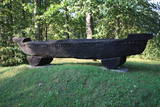 |
3 km to the south of the centre of Jūrkalne, near the old (gravelled) road between Liepāja and Jūrkalne, is the place where the three-year Feliksberga Maritime School existed between 1871 and 1902. The building is long gone, and the memorial has involves an oaken boat with two wooden poles on which old ownership signs have been engraved. |
|
 |
On the left bank of the ancient Gauja River valley, between the Paparžu ravine and the ravine along which the Sigulda-Turaida road passes through the valley there are the ruins of a castle built by the Order of the Brethren of the Sword. Construction on the castle began in 1207, and three decades later, in 1236, the castle was rebuilt for the needs of the Livonian Order. The Sigulda Castle suffered much damage during wars in the late 16th and early 17th century. During the Great Northern War, it was burned down and never restored. What is there today is the south-western segment of the castle's convent building, as well as the tower of the main gate. Beyond that is the internal forecastle, where there is an open-air stage for the annual Sigulda Opera Music Festival and other public events. There are also impressive views of the ancient Gauja River valley, Krimulda and Turaida. Reconstruction of the ruins is currently ongoing, and after the work is completed a second tower on the left side of the stage will be available to visitors. The plan is to install crossings around the walls of the convent building. Presently the ruins are available on a 24/7 basis and free of charge, but after the restorations are completed in 2012, admission will be charged. |
|
 |
Celta 1933. g. vietējai brāļu draudzei. Baznīcā atrodas glezna “Kristus” (1850. g.) un Liepājas meistara Jēkaba Jauģieša 1920. g. darinātās ērģeles. Mūsdienās dievnamu izmanto Bārtas draudze. Pie baznīcas novietots akmens apkaimes represētajiem iedzīvotājiem. |
|
 8 days
|
Saaremaa and Hiumaa are the two largest ones amongst 1500 other Estonian islands. In fact Saaremaa is the common name for Muhu and Saaremaa islands which are connected by the causeway like Hiumaa and Kassari islands. |
|
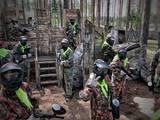 |
Aktīvās atpūtas peintbola parks un kempings ir atvērts apmeklētājiem no 2008. gada un šobrīd ir viens no lielākajiem peintbola parkiem Latvijā. Spriedzes un adrenalīna pilni piedzīvojumi nodrošināti kā skolēnu grupām, tā arī kolektīviem un draugu pulkam. Peintbola parks „Bušas” piedāvā lielus peintbola laukumus, ar šķēršļiem, mājiņām, ejām, torņiem, automašīnām – pilnvērtīgai un aktīvai peintbola spēlei. Peintbola parks „Bušas” ir sertificēts un drošs peintbola parks ar pieredzējušiem instruktoriem, kas seko peintbola spēlei visu tā laiku, lai mazinātu negadījuma iespējas, iepazīstina ar drošības noteikumiem un iepazīstina ar ekipējuma lietošanu. Peintbola parkam ir arī otra lokācijas vieta Rīgā, Matīsa ielā 8 Parkā ir iespējams arī pārnakšņot dažāda tipa naktsmītnēs - lielākā un mazākā kotedžā, pirts mājā, kā arī izmantot kempinga teritoriju telts būvēšanai. |
|
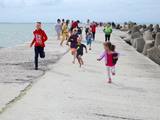 |
The Northern breakwater of Liepāja is located n the Karosta area of the town. It offers a lovely place for perambulations, as well as an opportunity to observe the sea. To the South of the breakwater you will find a fine view of the Liepāja Freeport and its system of breakwaters. To the East is the unique Karosta area, while to the North, there are remnants of a sea fort. Please be very careful while observing the sea, however – the surface of the breakwater is not in great shape.
|
|
|
|
During the latter half of the 19th century, one of the largest ship building facilities was located here between the Dzeņi and Lielkalni homesteads. It was known as the Ķirbiži and then the Vitrupe shipyard, though nothing remains of it. 28 ships were built here between the 1860s and 1929. |
|
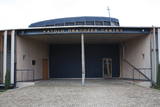 |
Atrodas Ganību ielā 120. Celta (iesvētīta 2001. g.) mūsdienu modernās arhitektūras formās un interesanta ar faktu, ka sākotnēji bijusi Vatikāna paviljons Pasaules izstādē “Expo 2000” Hannoverē. To pārbūvēja un uz Liepāju pārcēla par Vācijas katoļu saziedotajiem līdzekļiem. Ēkā darbojas katoļu draudzes centrs. |
|
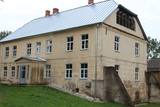 |
Muižas dzīvojamā ēka līdz mūsdienām nav saglabājusies. Šodien Dvietes muižas parkā ir apskatāmas muižas pārvaldnieka māja un trīs mūra saimniecības ēkas. 19. gs. veidots ainavu parks ar laukakmeņu mūrējuma tiltu. Parkā atrodas Dvietes muižas ēkas. |
|
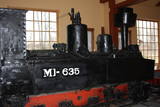 |
In 1916, during the German military occupation of Latvia, prisoners of war were put to work in installing narrow-gauge railroads via which the Germans exported Latvian timber. A narrow-gauge rail network was built through the forests and across the swamps of the Viesīte area. The track width was round 600 mm, and there was a total of 130 km of tracks to connect Viesīte (the central station) to Nereta, Aknīste, Jēkabpils and Daudzeva. The train was used after world War II to transport timber and passengers. The last trip along the line occurred on August 31, 1972.
You can tour the museum individually or with the assistance of a guide. You’ll see an Mi-635 locomotive, wagons for passengers and cargo, a platform to transport timber materials, and two trolleys.
|
|
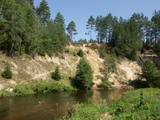 |
This territory is Lithuania’s most forested area, and people here have always lived in accordance with nature. Local treasures include berries, mushrooms, honey, clean water from streams and rivers, etc. People here have engaged in various crafts, as well as in beekeeping.
|
|
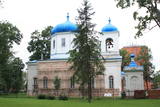 |
Atrodas pilsētas centrā, Atbrīvošanas alejā 98. Dievnamu sāka celt 1840. g. (iesvētīja 1846. g.) un tas uzskatāms par pilsētas vecāko sakrālo būvi. Nekvalitatīvu būvniecības materiālu izmantošana un cēlāju pieredzes trūkums bija iemesls, kādēļ 1854. g. to nācās pārbūvēt. Pie baznīcas atrodas 1867. g. būvēta Sv. A. Ņevska kapliča, kas veltīta cara Aleksandra II paglābšanās faktam vilciena katastrofā un stikla mauzolejs, kurā apbedīts baznīcas mecenāts ģenerālis Karaulovs (šobrīd tiek restaurēts). Dievnams ir atvērts arī apmeklētājiem. |
|
 |
Ūdensdzirnavas meklējamas Babrungas (Babrungas) ciema ceļa malā. Dzirnavu ēka ir celta 1816. g. un mūsdienās tajā iekārtota Leonarda Čerņauska (Leonardas Černiauskas) darbnīca un mākslas galerija. Tajā apskatāmas meistara gleznas, koka izstrādājumi un tuvākajā apkārtnē savāktā senlaicīgo priekšmetu kolekcija. |
|
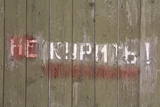 |
This extensive territory to the South of Pāvilosta once was the site of warehouses and an oil base. The territory at this time is used for the extraction of raw materials. There is also a sawmill there. The sign at the entrance of the facility states that the area can be dangerous to visitors.
|
|
|
|
Kauņas jūras reģionālais parks (Kauno marių regioninis parkas) dibināts 1992. gadā. Tas ietver Nemunas HES uzpludināto posmu – lielāko Lietuvas ūdenskrātuvi no Kauņas līdz Piļonas (Piliuona) ciemam. Viena no nozīmīgākajām parka vērtībām ir ainava, kas veidojusies ilgā cilvēka un dabas mijiedarbībā. Parkā konstatētas 950 augu sugas, 600 dzīvnieku, t.sk. - 34 zivju sugas. Parka nozīmīgas dabas vērtības ir meži, augstie purvi, kadiķu audze. Parkā ir apskatāmi dažādu vēsturisko periodu liecinieki – senču pilskalni, Pažaislis klosteris, Kauņas cietokšņa Piektais forts, kā arī Rumšišķes (Rumšiškės) brīvdabas muzejs – viens no lielākajiem (195 ha) šāda veida muzejiem Eiropā. Vaišvīdavā (Vaišvydava) ir izveidots parka apmeklētāju centrs, parkā ir dabas takas, piemēram, Žiegždriai ģeoloģiskā taka un Dubravos izziņas taka. |
|
 |
Sēlijā, 5 km attālumā no Aknīstes, mājā "Skārdupītes" atrodas biedrība “Sēlijas laivas”. Kamēr teritorijā vēl tikai tiek attīstīta aktīvā tūrisma bāze, jau tagad viesiem tiek sniegts ieskats laivošanas kultūras attīstībā, kā arī ir iespējama dažādu laivu veidu noma un laivošanas tehnikas apmācība. Papildus: vides gida pakalpojumi ar iespēju laivojot iepazīt upes ekosistēmu, floru un faunu. |
|
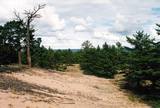 |
This is a forested island in the Bay of Finland which is the 6th largest Estonian island and is found 14 km to the N of Tallinn. Two decades ago it was a closed zone, because the Soviet Union had a highly secretive manufacturing plant for maritime mines here.
|
|
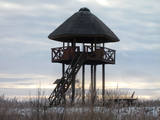 |
A island in the delta of Nemuna. Etnographical museum, Uostadvaris lighthouse, bird watching tower. |
|
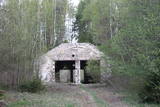 |
The Plāņciems missile base is in the forests of Bārta and is not easy to access. This special air defence facility is being dismantled for the purpose of obtaining building materials.
|
|
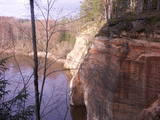 |
The viewing area on the Ērgļi (Ērģeles) cliffs offers an impressive view of Latvia’s most monolith sandstone cliffs (up to 22 metres high) – this is the highest location in the Gauja River valley. Please be very careful and don’t go anywhere near the edge of the cliff!
|
|


