
| No | Name | Description |
|---|---|---|
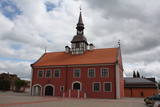 |
In 1615, Courlandian Duke Friedrich Kettler (1569-1642) allowed Bauska to build a new city hall. At the beginning of the 17th century, Market Square in Bauska featured the largest city hall in the entire duchy. A lack of money led to the dismantling of the hall’s tower in 1852 and its second floor in 1871. A new city hall was built in 2011, and now Bauska can be proud of a new and outstanding tourist destination that can also be entered. The restored city hall offers a chance for people to weigh themselves and measure their height with old-time measurements. Each person who does so receives a certificate to attest to his or her height and weight. |
|
 1 day
|
Dodieties ekskursijā, lai gūtu ieskatu lauku profesijā un dzīvesveidā, kā arī iegūtu jaunus iespaidus un labu atpūtu visai klasei. Ekskursijas laikā apmeklējiet ekopoligonu, kas ir unikāls piemērs ekoloģiski saderīgu darbības virzienu ieviešanai. Pēc tam apmeklējiet saimniecību, kurā iespējams aplūkot Latvijas tumšgalves aitas, uzzināt par to audzēšanas specifiku, dzīves paradumiem un aitkopības nozari Latvijā, kā arī iespējams aplūkot dažādus putnus - tītarus, zosis, pīles, vistas un pērļu vistas. Saimniecībā atrodas arī observatorija, kur var noklausīties lekciju par zvaigznēm, planētām un citām tēmām. Ekskursijas noslēgumā dodieties uz kokapstrādes darbnīcu, lai meistaru vadībā darbotos ar tradicionālajiem kokapstrādes instrumentiem un apgūtu senās spēles. |
|
 |
Darbnīcā tiek izgatavoti personalizēti pulksteņi un dažādi dizaina priekšmeti no koka, kā arī piedāvātas kokapstrādes meistarklases vai klātbūšana dažādos materiāla pirmsapstrādes vai finiša apstrādes procesos. Tāpat iespējama ekskursija pa darbnīcu un koku sugu atpazīšanas viktorīna. |
|
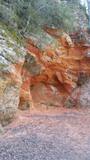 |
Sarkanās klintis savu vārdu ieguvušas pateicoties sarkanajiem iežiem. Tieši sarkanā ir mīlestības krāsa, tāpēc sarkanās klintis ir romatiska pastaigas vieta mīlniekiem. Smilšakmens klintīs redzamas plaisas, kas sašķeļ sarkanīgos iežus, radot neparastu dabas mākslas darbu. To virsma ir diezgan izrobota, kas veido klintīs nelielas alas un nišas. Sarkanajās klintīs ir arī daudz dažādu avotiņu. Pazīstamākais no tiem ir Rūcamavots. Tam ir šāds nosaukums, jo tas, nākot ārā no zemes, izdod nelielu rūkoņu. |
|
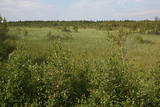 |
There is no need to enter the bog to see it, there are good views from the highway Ventspils – Riga (77 km, bus stop “Pagrieziens uz Elkskeni”). The main value of restricted area is chalky fen bog with brown bog-rush (greatest habitat finding in Latvia). Be careful when stopping on the highway – mind the traffic! A couple of kilometers towards Riga, on the right side of the highway, there is sign to Grizu Velna kresls ( Grizu Devil Chair) which is an attractive boulder (protected).
|
|
 |
The Kaigari farm is in the Mežotne Parish of the Bauska Administrative District and specialises in grain farming. The farm makes active use of EU funding, some of which has been used to buy modern agricultural equipment. The farm has some 400 ha of land, and the apple orchard offers a very beautiful landscape, including the Lielupe River valley. |
|
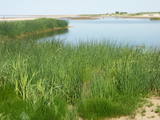 |
This area is full of coastline meadows, lagoons, muddy little lakes and sandy shallows, all full of reeds. This area of the eastern shore of the Bay of Rīga is found between Ainaži and Kuiviži. The Randa meadows are an enormously important location for water birds and rare plants – some 500 in all. A new bird-watching tower and a nature trail have been established for those who wish to study the meadows.
|
|
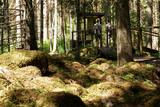 |
The forest around Kaltene features a natural miracle – the rocks of Kaltene, which are also known as the barrier rocks. The rocks are 2-3 m from the sea and date back to the Ice Age. The Devil’s rock is the largest one. It used to be a beautiful pile of rocks that “stretched to the tops of the trees.” In older maps it is described as being 20 m high. It had many natural rocks, including some that were completely round, while others resembled plates. The rock was almost completely destroyed in the 1960s and 1970s, when it was chopped up to build roads. A fairly small part of the rock survives today, and it is 300 m long and 2 m high. Scientists believe that these rocks used to be sacred locations, because there are many legends and stories about them. There is a forest path with wooden pathways, information stands and a small car park there. (Source: Roja TIC) |
|
 |
Garlic growing and processing, farmers’ market. A story about the value of garlic in health and cooking. Offers various garlic spices, teas, pickles, snacks, tasting of food with garlic. For children - garlic painting on canvas, garlic games. |
|
 |
Skaisto un mūsdienās atjaunoto zilā krāsojuma ēku Karaīmu ielas 5 malā sākotnēji (1810. g.) cēla Dominikāņu mūki. Kopš 1864. g. tajā 23 gadus saimniekoja policija, līdz 1887. g. te izvietoja pastu un telegrāfu. Šobrīd ēkā atrodas nacionālā parka administrācija. |
|
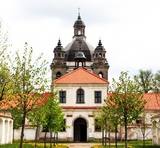 |
Ein hervorragendes Sakralensemble im Barockstil (17 – 18 Jh.), eine Kirche und ein tätiger Nonnenkloster. |
|
 |
Farmer’s market Lõunakeskus sells locally grown Estonian produce or products made from local ingredients both for everyday life and festive occasions. Versatile products come mainly from farms in Southern Estonia, but can also be found in other Estonian regions. There is also a cosy café, where you can enjoy meals made from fresh produce from the market. |
|
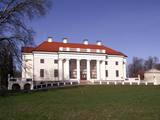 |
This landscape park has survived to the present day and was installed between 1850 and 1860. On one side the territory has a boundary that is the dammed Kruoja River, and on the other side there is a fence made of fieldstones. The English park principles at that time meant that advantage was given to a natural landscape with imitations of nature. There are some 26 types of trees in the park, and some of them were introduced from various parts of the world a few centuries ago. |
|
 |
Находятся в 100 м к юго-востоку от Приекульского замка. Символ Приекуле, изображенный на гербе города. Ворота (1688 г., отреставрированы в 1954 г.) служили в качестве сторожевой башни сквозных ворот Приекульской господской усадьбы, где проводился досмотр торговцев (таможня), отправляющихся или приезжающих из Литвы. Интерес представляет родовой герб баронов Корфов выполненный в XVIII веке из голландского песчаника, с серебряным ядром и своеобразный маскарон в центральной части фасада. Во времена баронов в нишах по обеим сторонам стояли двухметровые, выполненные в камне, грозного вида фигуры стражников - солдат. Сегодня на их месте стоят деревянные фигуры стражников. |
|
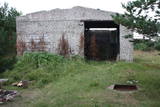 |
The projector buildings of the former border guard facility have been preserved at Labrags, but they are privately owned.
|
|
 7 days
|
This tour features the best trails and attractions within the Gauja National Park. The walks are organised so that travellers are constantly on the move. The main “artery” of the park is the ancient Gauja River valley with many tributaries and deep ravines with massive sandstone cliffs from the Devonian period. The walk starts from one of the oldest churches in Latvia and follows the river which finishes at Sigulda bobsled track. Scenic views of the river, cliffs and nature trails await in the next section. The Amata river trail winds through untouched forest and inlcudes an icon of the Latvian landscape - Zvartes rock. At Cēsis explore the little streets, climb the tower of St John's Church and visit medieval castle ruins before heading to Cirulisi nature trail to explore the area's geological history. Ungurmuiza Manor is the only remaining wooden baroque manor house in the Baltics. A short trail weaves through ancient oak trees. The park also features several sites of cultural importance: Turaida Museum Reserve, Krimulda Manor and Ligatne historic centre. |
|
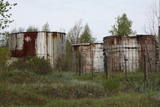 |
The former missile transport facility at Karaosta is not used any more. The territory is mostly closed off to visitors.
|
|
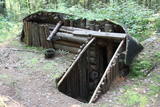 |
National partisans commanded by Rihards Pārups were very active during World War II between Vietalva and Jaunkalsnava. The team was disbanded in 1946. The dugout is at a location that is hard to find and access. It is in the nature reserve of the Veseta Wetlands Swamp. The wood pathway that leads from the East is often hidden by reeds during the summer. During the fierce winter of 2010, the roof of the dugout collapsed, but local enthusiasts plan to reconstruct it. Alongside the dugout is a white cross inscribed with the names of the partisans who lost their lives here.
|
|
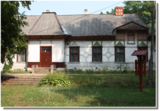 |
Zosna (Veczosna) Manor. The building is surrounded by a small park near the bank of Lake Rāzna.
There are 39 different species of trees and bushes. It was built in 1870 by the order of duke Goļicins. It is
one of the rare truss buildings in Latgale.
|
|
 |
Beliebte und eine der ältesten Straßen in Jurmala zwischen Dzintari und Majori. Die 1,1 km lange Straße mit Wirtshäusern, Sommercafés und Souvenirladen. |
|


