
| No | Name | Description |
|---|---|---|
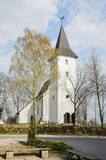 |
The Priekule Lutheran Church was built around 1680 and rebuilt a century later, in 1892. In 2005, the church tower was improved, and visitors to the church can now use it as a viewing platform. They can see the place where Icarus of Priekule supposedly made his first “flight.” |
|
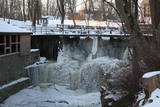 |
Atrodas pie Kuldīgas pils dzirnavām, kur straujā Alekšupīte pirms ietekas Ventā izgrauzusi dziļu „kanjonu” dolomītā. Šo dēvē par vienu no augstākajiem Latvijas ūdenskritumiem (4,15 m). 17. gs. ūdenskritumu ievērojami pārveidoja – paaugstināja un nostiprināja, lai Alekšupītes straumi izmantotu dzirnavu darbināšanai. Upītes kreisais krasts ir labiekārtots. |
|
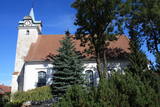 |
The church was built between 1640 and 1642 as a mark of respect for the king of Poland. It was commissioned by Duke Jacob Kettler and has a confessional bench with allegoric paintings (1691), as well as three altars decorated with Rococo carvings. There is a 16th century sculpture of the Madonna and her child. Contact the church for a tour. |
|
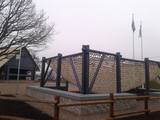 |
Meklējama Tārgales ciema centrā. 2018. g. nogalē atklāta Lībiešu zvejnieku sēta ar dzīvojamo māju, kurā ir saimes galds un soli, kūti, tīklu žāvētavu un mākslīgi radīts kāpas fragments. Sēta veidota kā atklāta tipa objekts un to var apmeklēt jebkurā laikā. Apkaimē saglabātas vietējās koku sugas. |
|
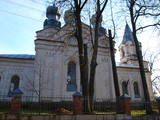 |
The church is on the highest part of the banks of the Marku river, and it is behind the Piedruja border control point. A paved street leads to the church, and it is thought that it was built in the early 20th century by local farmers, who were required to bring stones for the street when they attended worship services. The church has six cupolas and is seen as one of the most beautiful ones in the Krāslava Administrative District. The building was erected between 1883 and 1885 to replace an old 17th century wooden church. It corresponds to the architectural form of the Old Russian town of Vladimir and the Byzantine style. It is said that at one time the church had as many as 1,000 members. |
|
 |
Andrupenes dabas takā var iepazīt sūnas, pārliecināties par sfagnu lielo ūdens uzsūkšanas spēju, gar laipas malām ieraudzīt apaļlapu raseni un purva dzērveni, apskatīt spilves, vaivariņus un purva vārnkāju, kā arī purva pasauli. Takas garums ~ 750m.
|
|
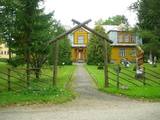 |
Kalevipoeg is a hero from the Estonian national epic, most of his stories come from Jõgeva County, where you can find his sword in the Kääpa River, there are his places of rest, stones he’s thrown, springs and bogs, ploughing furrows, etc. The museum has 12 themed rooms presenting Kalevipoeg´s legends as well as Estonian heritage. 17 wooden statues of the epic’s characters stand in the museum grounds. |
|
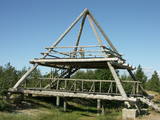 |
This is the only viewing platform of its kind. It is north of Pāvilosta, between the sea and Latvia’s largest gray dune. The second level of the platform offers a good view of the habitats which surround the dune, as well as the seashore and the largest seashore rock on the shores of the Baltic Sea – the Pāvilosta sea rock. You can also see the northern part of Pāvilosta. When it is windy outside, you’ll see kiteboard riders showing their tricks.
|
|
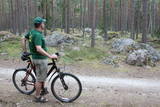 |
Eine von Nadelbaumwäldern bedeckte Halbinsel. Malerisches Käsmu Steinfeld, Matsikivi Stein, Vana Jüri Stein u.a. Bei passenden Bedingungen kann man sich auf einer steinernen Landzunge bis zur 0,5 km entfernt liegenden Insel Saartneem schleppen. |
|
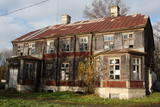 |
Kīdevas muiža rakstos ir minēta 1614. g., taču pašreiz redzamā divstāvu kungu māja, ir celta 19. gs. beigās. Ēkas sienas ir klātas ar koka šķindeļiem, kas viens otru pārklāj kā zivs zvīņas. Šāds kungu mājas sienu pārklājums Igaunijas mērogā ir unikāls. Laikā no 1919. – 1951. g. tajā atradās skola. Blakus muižai atrodas neliels parks. Diemžēl turpat pusgadsimtu ilgās pamestības rezultātā ēkas atrodas ļoti kritiskā stāvoklī. Tas ir arī pietiekams apmeklējuma iemesls. |
|
 |
Saaremaa Island farm Epi produces fruit and berry chutneys, various jams, grows herbs and teas. Products are made using only local ingredients from the Saaremaa and Muhu islands. You can buy products directly at the farm. |
|
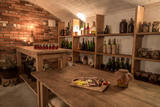 |
Die Gäste sind eingeladen den traditionellen, litauischen ethnographischen Keller zu besuchen. Hier wird die Verkostung von gepökeltem Speck aus eigener Produktion mit sauren Gurken aus ökologischem Anbau geboten, zudem kann man sich Frischkäse mit verschiedenen Beerenmarmeladen schmecken lassen und die ganze Sache mit auf dem Hof erzeugten Wein und Apfelwein abrunden. Im Angebot steht ferner Kräutertee aus Gemeinem Schneeball. |
|
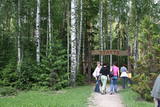 |
Dabas parkā izveidota Baltijā vienīgā Bišu taka, kurā apmeklētājs var iejusties bites ‘’lomā’’. Zinātkārie var ieģērbties bitenieka tērpā un novērot bišu dzīvi stropā vai kāpt kokā ar seno dravnieka ierīci – dzeini. Ekskursija, Bišu, Putnu, Meža, Sporta un Augu takas. |
|
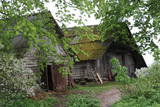 |
Maza apdzīvota vieta ar dažām viensētām uz pussalas (salos tulkojumā no lietuviešu valodas nozīmē „sala") starp vairākiem ezeriem. Salos II ir viens no sešiem Augštaitijas nacionālā parka etnogrāfiskajiem ciemiem. Ciems patiks tiem, kas meklē ļoti nomaļas vietas ar vecām guļbaļķu dzīvojamām un saimniecības ēkām. No Salos II pa sauszemes maršrutu var doties pārgājienā līdz Ladakalnim un Ginuču pilskalnam (sk. iepriekš). |
|
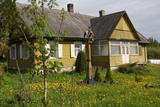 |
Kretoņu (Kretuonas) ezera dienvidu krastā (ezeru gan neredz aizauguma dēļ) meklējams Kretoņu ciems. Šķiet, ka šī vieta ir „aizķērusies" pagātnē. Cauri ciemam iet viena iela, kurai abās pusēs izvietojušās 19. – 20. gs. mijā (dažas pat mazliet agrāk – 19. gs. vidū) celtās saimniecības. Te redzamas gan dzīvojamās, gan saimniecības ēkas, kuras rada etnogrāfiska brīvdabas muzeja sajūtu. Dažas no tām gan ir „padevušās" laika zobam. Lai vai kā, šis ir viens no neparastākajiem nacionālā parka etnogrāfiskajiem ciemiem, kuru pa „galveno ielu" vērts izstaigāt visā garumā. Šim, tāpat kā pārējiem etnogrāfiskajiem ciemiem ir piešķirts kultūras mantojuma objekta statuss. |
|
 |
This farm grows hemp and offers information about the history of the plant and its uses in nutrition and saunas. Hemp butter, ice cream, tea and hemp milk are offered. Take a tour with degustation. |
|
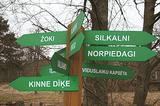 |
is seen as the newest village along the Livonian coastline. It was established during the 17th century. Košrags had 78 residents in 1826. The first reading school for Livonian children in the Dundaga seashore villages was opened at the Žoki homestead in 1832. One of the teachers was Nika Polmanis, who was the first Livonian to have completed a professional education. He also translated the Gospel of Matthew into the Eastern Livonian dialect. Košrags had a windmill, water mill and boat building facility. During the spring, job seekers from Saaremaa stopped here. A port was installed in 1932, and a breakwater to collect sea fertiliser followed in 1938. During the 1930s, Košrags was regularly visited by Finnish and Estonian linguists to study the folklore of the Livonians. The Norpiedagi homestead was built by Livonian activist Didriķis Volganskis (1884-1968). His son, Livonian cultural worker and pastor (in Finland) Edgars Vālgamā (Volganskis, 1912-2003) was born there. He translated the Andrejs Pumpurs epic "Lāčplēsis" into Finnish. Košrags today is a cultural monument of national importance. |
|
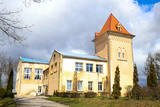 |
Druvienas muižas pirmsākumi ir meklējami 17. gs. beigās. Tagad redzamā apbūve ir veidojusies 19. – 20. gs. Līdz mūsdienām ir saglabājusies muižas pils (1898. g.) un saimniecības ēkas – klētis, kūtis, kalpu mājas. Muižas pilī 20. gs. 50. gados izvietoja pamatskolu. Diemžēl sākotnējie ēkas interjeri nav saglabājušies. Pili ieskauj parks. Šobrīd ēkā atrodas Druvienas Latviskās dzīvesziņas centrs, kas piedāvā dažādas aktivitātes un radošās darbnīcas. |
|
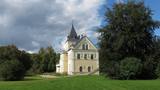 |
The museum is in the mansion of the Dole Estate, which was built in 1898 for the Loeuwis von Menar dynasty. The collection presents Daugava as an important water route, with the apparel of Baltic and Liv tribes, everyday objects, etc. Outside the movement is equipment to catch lampreys and a reconstructed weir to catch salmon. Alongside is a 17th century cannon from the Duchy of Courland that was found in the Misa River and was cast in Baldone. Nearby are four cannons from the Russian tsar’s army. Those were found on a building lot in Salaspils in 2007. |
|
|
|
„Zaļmuiža” (Green Manor) is notable because of its legendary past. The protector of peasants and poet Peter
Miglinīks (1850 – 1883) worked there as a clerk in the beginning of the 19th century. In 1784, the building belonged
to Frederick von Korf. The manor was bought by officer of Russian army Nikolaj Paulin von Rosenschild. Once
the manor had a large farm (800 ha): several cattle-sheds, fruit and wine cellars, alcohol brewery. Now there in
only a manor house and a barn. Till 1960s, the manor house was the centre of kolkhoz „Liesma”, later the club.
Now there is a smithy of a craftsman Jānis Ļubka. Guests are welcome to watch and try the metal processing.
|
|


