
| No | Name | Description |
|---|---|---|
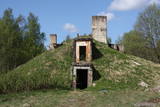 |
The former Soviet communications division at Plāņciems in the forests of Bārta is privately owned and is being dismantled at this time.
|
|
 |
Cēsu centrālais laukums – Vienības laukums (20.gs.sākumā – Konventa laukums) – atgādina par Cēsu kauju notikumumiem, kuru nozīme un ikviena dalībnieka ieguldījums aprakstīti devīzē uz pieminekļa “No zobena saule lēca”. Cēsu kaujas 1019.gada jūnijā bija svarīgs Latvijas valstiskuma vēstures pagrieziena punkts, kad apvienotais latviešu un igauņu karaspēks sakāva vācu landesvēru, kas apdraudēja Baltijas valstu pastāvēšanu. Vienības laukums turpina būt par nozīmīgu notikumu liecinieku. 1989.gada 23.augustā daudzu cēsnieku ceļi veda uz Vienības laukumu, kuram cauri vijās Baltijas ceļš. |
|
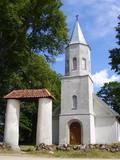 |
Renda is a very old town, first mentioned in historical sources in 1230. During the 13th century, Renda was one of the centres of the ancient Courlandian land of Vanema. When Courland was split up in 1235, Renda was taken over by the German Order, and local residents were forcibly drafted into its military. During the age of the Duchy of Courland (1562-1795), the region flourished despite wars, the bubonic plague and other problems, particularly during the rule of Duke Jacob (1642-1682). During the 17th century, Renda became something of a manufacturing centre, churning out timber products, with local lime kilns, watermills, flax weaving facilities, a glass factory and a boiling house for saltpetre and soap. Wine, perfumes and barrels were produced in Renda, as was cast iron for nails and many other things. The court at the Jelgava Castle loved the sour wines from Renda. All of this was destroyed during the Great Northern War (1700-1721). During the 19th century, a chemicals factory was built on the site of the burned Renda castle, and nearby was one of the largest leather tanning plants in Kurzeme, along with a manufacturing facility for turpentine. Cultural life began to develop in parallel to this. Renda suffered much during the two world wars and the subsequent Soviet repressions. The so-called Courelian Battalion of partisans went into the forests after the occupation to continue their struggle against the Soviet regime. Renda today is a small and quiet village with the Lielrenda Estate, a local church, the “devil’s boat” at the Abava River, and the Īvande waterfalls. |
|
 |
Visitors are welcome to this ecological cattle farm to learn about its history and operations. The farm offers the "Aubraki" breed of cattle, oats, spelt and forest berries. You can buy fresh and aged beef that is ecological, as well as the berries. |
|
 |
The café is in the market square of Vecpiebalga, opposite the Lutheran church. It works with local farmers and sells products from a local smokehouse. |
|
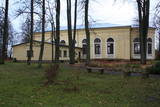 |
Dievnams celts (1851. g.) un vēlāk (1876. g.) paplašināts. Tas tika sagrauts 2. Pasaules kara laikā un pēcāk atjaunots. Līdz Latvijas neatkarības atgūšanai to izmantoja par skolas sporta zāli. Pēc draudzes darbības atsākšanas (1989. g.) sākās arī baznīcas un ar to saistīto tradīciju atdzimšana. Apskatāma no iekšpuses. |
|
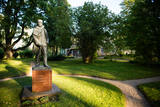 |
The memorial museum for Edvards Veidenbaums (1867-1892) was established at his homestead, “Kalači.” The great poet and translator lived there from the age of five and also died there. Alongside the museum is an exhibition hall that offers thematic exhibitions. A monument designed by the sculptor Laimonis Blumbergs is in the garden of the museum and was installed in 1961. There is also a granary in which Veidenbaums lived during the summer. The poet was buried in the local Liepa cemetery. |
|
|
|
Iespaidīgs pilskalns ar izveidotu apskates taku. Blakus ūdenstūristu apmetne „Kvēpene”.
|
|
 |
The magic kitchen offers tasty dishes from ingredients grown in the surroundings. Definitely try the nettle soup, which is recognised as the best soup of Southern Estonia. Nõiariik is suitable for active recreation for both families and larger groups of people. |
|
 |
The “Ieviņa” café and bakery is in the centre of town and near Market Square. It sells cookies, pastries, tortes, carrot buns, pierogi, etc. |
|
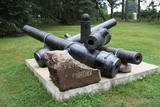 |
Dole Island is the largest river island in Latvia, and it is the site of the Dole baronial estate. The mansion of the estate was built in 1898 by the aristocratic family which owned the estate. Today the mansion is home to the Dole Museum with a rich exhibition which tells about the lives of people on the shores of the Daugava River. The adjoining park features ethnographic buildings, as well as lamprey and salmon spawning grounds. There are five unique cannons that were found in Salaspils when a new stadium was being built there. In 1910, a tsarist military camp was here, and a monument to Tsar Peter the Great was unveiled. One of the cannons is in the exhibition of the museum itself.
|
|
 |
The cafe Kolumbine is situated in the suburb of Talsi city, about 1,5 km away from the centre. |
|
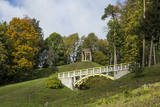 |
Temple Hill is steep (with artificially created steepness) and about 30 m high, and it is opposite Marijas Island. It is an ancient Lettigalian castle hill, 80 m long and 40 m wide, with several artificial ramparts. One of the oldest objects found in the region is an axe from the 2nd to 3rd millennium BC. Archaeologists believe that the island was populated at that time. There was a Lettigalian castle on the hill during the 10th and 11th century, but it was sacked by the Holy Crusade. The surface of the castle hill was transformed comparatively recently in 1807, when a granite rotunda was built there in honour of Russian Field Marshall Sheremetev and Swedish captain Wulff. The view of Lake Alūksne and the town is one of the most beautiful ones in all Vidzeme. The Sun Bridge (1937) is also worth a look. A wooden viewing platform is nearby. |
|
|
|
Nepilnus 3 km garā taka iepazīstina ar dziļo Imulas ieleju – Abavas kreisā krasta pieteku. Īpaši iespaidīga ieleja izskatās bezlapu periodā, kad ir apjaušami tās izmēri un formas. Viens no takas iespaidīgākajiem objektiem ir Buses jeb Matkules pilskalns. Apskatāmi citi objekti – Baznīckalns, Bedrīšakmens, Ķauķa kalns ar avotiņu. Atrodas dabas parkā „Abavas senleja”. |
|
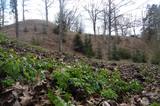 |
The Buse (Matkule) castle hill is next to the Imula River. The hill and the opposite bank of the river offer one of the loveliest views of small rivers in Kurzeme. They are best seen during the season when trees are bare so that leaves do not cover up the landscapes. There are trails for pedestrians in the area. |
|
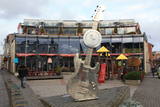 |
The word zivis means fish, and the name of the street is derived from a fish market that once existed at the end of the street near Kurši Square. There are old log warehouses in the yard of Zivju Street 4/6 and the yard of Peldu Street 2. One of the most popular destinations for tourists is the Latvian alley of fame for musicians (since 2006), with bronze replications of the palms of hands of 35 Latvian musicians. There are ten plaques dedicated to popular bands in Latvia, with five others focusing on musicians who have passed away. The largest guitar in Latvia is right nearby. |
|
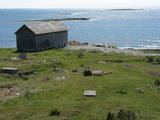 |
No Vilsandi bākas un tai tuvākās apkaimes ir labi saskatāmas leģendārās Vaikas salas. Tām ir piešķirts rezervāta statuss, tādēļ salas var apskatīt tikai no attāluma. Mazākā no saliņām - Kullipank ir tikai pārdesmit metrus diametrā. Tā ir jūras ūdeņu izrobots zemas un asas dolomīta klints fragments, kas klāts ar oļiem, nelieliem laukakmeņiem un kādu atsevišķi stāvošu lakstaugu. Domājams, ka vētru laikā tā pazūd zem jūras ūdens. Savukārt, Alumine Vaigas – Apakšējā Vaikas sala ir lielākā no sešām salām. Šīs salas diametrs ir ~ 150 m un tā paceļas vismaz kādus divus metrus virs jūras līmeņa. Uz salas ir bagātīga veģetācija un pat kāds zems krūms salas centrā. Redzami arī metru augsti atsegumi. Uz salas vēl joprojām atrodas 20. gs. sākumā celto „putnu māju” paliekas, kas bija domātas ligzdojošo putnu piesaistīšanai. |
|
 8 days
|
This trip will allow you to see seaside landscapes, learn interesting facts about the ancient process of fishing, and enjoy traditional seafood dishes. Your first stop after leaving Rīga will be Ragaciems, where you will find a popular fish market that always offers a wide range of smoked fish from the sea. On the shores of the sea, you can look at a restored fishing boat pier and huts for nets. Further along, groups of 15 people or more can enjoy the "Fisherman's Banquet" programme in Roja. There you will hear stories about the lives, songs, dances and games of fishermen and, of course, enjoy an elegant banquet. Next you will visit Cape Kolka and the Slītere National Park, where men still go fishing in the sea. The aroma of smokehouses will be evident. Travellers can purchase freshly smoked fish there. Along the way to Ventspils, it is worth stopping at the Irbene radio telescope, which has a military history, but is used for scientific purposes today. Next you will drive toward Liepāja and stop at the charming town of Pāvilosta, which is popular among surfers, as well as the steep shores of Jūrkalne, where you will be able to taste fresh baked bread that has been kneaded by hand at a farm. Then you will get to Liepāja, which is the birthplace of Kristaps Porziņģis, a basketball player who plays for the New York Knicks in the NBA. A special treat in Liepāja ir smoked cod with potatoes and sweet cream. You can visit a windmill that was built in 1885 and is still operational, as well as the Pape Nature Park and the ethnographic Ķoņi village. Once you get to Lithuania, you will spend a day at the popular seaside sea town Palanga, and then continue the route to Cape Vente and the Rusne Island, both of which are famous because of fishing and fish smoking traditions. Visit the village of Minija, which is known as the "Venice of Lithuania." Finally, visit the Kurši dunes, the Sea Museum and dolphinarium, as well as the port city of Klaipeda. |
|
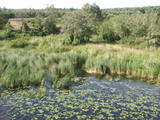 |
This is a territory which regularly floods when the Lielupe River crosses its banks. These are flood-land meadows of importance to birds. The area can be surveyed from the Rīga-Liepāja highway and the Kalnciems road which runs along it. |
|
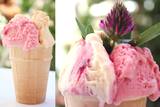 |
The family enterprise (formed in 2006) makes home-made ice-cream from fruit and berries. They make both classical – such as plombieres, cream, joghurt ice-creams and sorbets and nowadays cuisine’s „miracle”- sprat, blue cheese, horse-radish and potato ice-cream with tomato sauce. Till now 80 different ice-cream recipes have been tried. If you book a visit beforehand, you can have an excursion and learn everything about the process of making ice-cream from the chefs themselves. In the cafe it is possible to try different ice-cream dishes – each one with a different ice-cream sauce. The cafe also welcomes pets! Special foods: Horseradish ice cream with herring. |
|


