
| No | Name | Description |
|---|---|---|
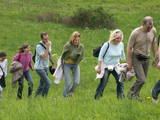 |
Dabas liegumā "Pilskalnes Siguldiņa" ir izveidota dabas taka - kājinieku tūrisma maršruts – t.s. Augšzemes ainavu taka, kas sākas Pilskalnē un beidzas pie Driģeņu mājām. Tā izlīkumo ezeru krastus, šķērso purvu (laipas). Apmeklētājiem, t.sk. arī bērniem, izveidotas arī īsākas - lokālas takas. Pieejami dažādu taku garumi: 1,6 km, 3,8 km, 8 km. |
|
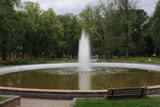 |
Mūsdienās redzamais parks starp Rīgas un Parādes ielu tapa vairāk nekā pirms 100 gadiem un tā patrons bija pilsētas pirmais mērs - Pāvels Dubrovins (1839. – 1890.). Pilsētas „zaļā saliņa”, kuras centrā atrodas strūklaka, ir iecienīta atpūtas un pastaigu vieta. Atraktīvs ir no bronzas veidotais piemineklis (2007. g., tēlnieks A. Tartinovs),kas veltīts pilsētas pirmajam mēram. |
|
 |
The craftsman typically produces objects that are of use on an everyday basis. They have laconic forms and reticent decorations. You can take a tour of the workshop and kiln, watch demonstrations, and work with the clay yourself. You can purchase finished products, look at the beekeeping operation, and taste and purchase honey. |
|
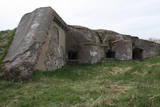 |
In addition to the Northern Forts, coastal batteries and Karosta district of Liepāja that are all mentioned in this database, there are other impressive elements of the former fortifications system – Lunete (the southern part of Lake Tosmare), the Central Fort (between Grīzupes Street and 14 November Boulevard), the Eastern Fort (to the South of Brīvības Street and the North of Lake Liepāja), the Southern Fort (at the Pērkone canal), and the Old Forts at the Olimpija stadium. All of these locations are freely accessible, but be careful if you go inside the former forts – they were blown up at one time and may remain dangerous.
|
|
 |
The café is in the centre of Balvi on the side of Brīvības Street (in the direction of Viļaka). It offers homemade dishes and is a popular dining venue. |
|
 |
Only indirect evidence of the former tank base that was here is still available (see the story).
|
|
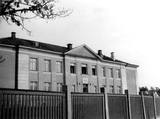 |
The roots of Saulkrasti Secondary School reach back to Pabaži, to 1912, when a young teacher – Olga Veicmane (after marriage: Cīrule) arrived from Riga to teach the sea captain Reisons’ daughter. Soon many other tutor-seekers joined her and in autumn of 1912 a school was established in Pabaži. The school had a good reputation, and pupils came from the entire surrounding area. In January of 1913, the school was moved to more spacious premises at 20 Rīgas Street. |
|
 |
The sculptor has established the landscape of his farm, producing artworks of wood and stone. One of his artworks, a spoon that is 6.2 m high, is in the village of Irlava. You can go on a tour and order and purchase various wood products. |
|
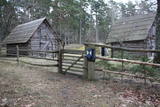 |
Approximately 200 metres to the North-East from the Liv People's Centre, along the Mazirbe-Košrags road, there is the Seppes homestead. The little log granary was built in the 1920s and 1930s by an Estonian fisherman and builder who arrived in Mazirbe from Saaremaa. He was called Jēkabs Jaga. On the other side of the road is the Kalši home, which was built in the early 20th century. It has been restored, but the bricks that were made in a local kiln were preserved for its walls. |
|
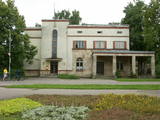 |
The building was erected during the first period of Latvian independence, and it maintained its functions for a long time. The building is located at Tukuma Street 30. Beginning in 1940, the post office had an automated telephone central. The Postal Service no longer uses it, and the building can only be viewed from the outside. |
|
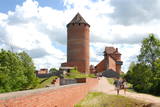 |
Before the stone Turaida Castle was built beginning in 1214, there was a wooden castle there that had been built by the Livs. The Turaida Castle was owned by the bishop of Rīga. It remained in place until 1776, when it burned down. The initial entrance to the castle's main tower was 9 m above ground, and in 1936, a viewing platform was installed at a height of 27 metres. There is no other view in Latvia that is like the one from the Turaida Castle! Restoration work at the castle began in 1953, when the upper level of the tower was restored and a roof was installed. Also restored was the former granary, which was home to an exhibition about the Sigulda region, along with the semi-circular tower and the southern segment of the castle complex, complete with the full reconstruction of its historical interior. Archaeological work was done around the castle between 1976 and 2001, and this led to the restoration of a large part of the complex. The castle now contains a museum exhibition related to the historical events of the surrounding area. The Turaida Castle is in the Turaida Museum Reserve (see above). |
|
 |
The craftsman produces bespoke and elegant interior design objects such as wooden furniture (closets, beds), stairs and other useful items. He will be happy to share his knowledge and experience. Among other things, Andris Prikulis has built several wooden altars for churches. |
|
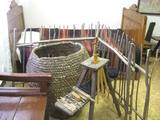 |
Local History Museum of Nautrēni. Permanent exposition of the
local history of the district, school and parish.
Working hours: on request |
|
 |
Saaremaa has had strong beer brewing traditions since olden times. In Kuressaare, the building with Art deco elements where electricity was once made, is now a home for the beer brewery Pöide that demonstrates the art of beer brewing – you will learn several secrets and taste various beers in the special tasting room. |
|
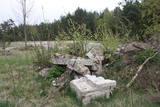 |
The former Soviet-era fuel base was part of the military facilities at that time. Fuel tanks from this site have been removed and no longer exist. |
|
 |
A café and bakery in Kuldīga that offers fresh, home-made pastries until the very evening. |
|
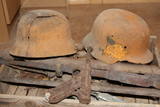 |
In 1944, between November 14 and December 9, there were fierce battles between SD and SS units from the German 16th Army, under the command of Police General Friedrich Jekeln, and a separate battalion of the Kurelians, under the command of Lt Roberts Rubenis. The battles were waged in the Ugāle, Usma, Renda and Zlēki parishes. Rubenis’ men were well-armed and organised. There were more than 600 troops, and the soldiers saw themselves as a national force which stood apart from the two hostile occupant regimes. This was the longest and most extensive battle in the history of Latvian national resistance. As the military force of the Latvian Central Council, the unit enjoyed extensive public support and confirmed a high level of morality in fighting for the restoration of a democratic Latvia. (The preceding text comes from the Rubenis Fund.)
|
|
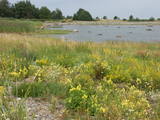 |
This is an entirely forested island in the Bay of Finland, ~14 km from Tallinn. A network of small pathways covers the entire island. Recommended hike along the seashore of the island, which will offer dunes, as well as a coastline that is sandy in some parts, rocky in others, and covered with reeds in still others (~9 km). A ferry boat will take you to the island from the Pirita port.
|
|
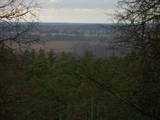 |
This is an area that is full of legend and tale. There is a stiff hillock, which stands about 66 metres above the surrounding land. From its southern side, you can see the Burtnieki lowlands. The tower, however, is not open to the public.
|
|
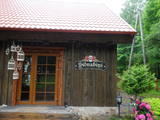 |
The tavern is located in the old log building close to Liepupe Church. There is an old cattle-shed next to the tavern where we make meat and sausage products that you can purchase in the Sudrabņi meat and sausage store. We offer tours and tastings. |
|


