
| No | Name | Description |
|---|---|---|
 1 day
|
Ekskursijas laikā apmeklējiet dabas taku, kurā ir iespēja iepazīt Amatas novada dabas objektus gar Kumadas upes, Dančupītes un Amatas upes krastu. Pēc tam apmeklējiet Cēsu pils kompleksu. Viduslaiku pils sniedz iespēju iejusties 800 gadus tālā pagātnē, uzkāpt ar sveču lukturīšiem Rietumu tornī, nokāpt cietumā, kā arī redzēt, kā kalējs darina latgaļu rotas. Blakus esošā Jaunā pils ir 18. gs. celta pilsmuižas kunga māja, kurā tagad atrodas Cēsu Vēsture un Mākslas muzejs. Ekskursijas noslēgumā dodieties uz lauku māju Smiltenes novadā, lai iepazītu maizes cepšanu pēc sentēvu tradīcijām, kā arī pašiem izveidot savu maizes kukulīti. |
|
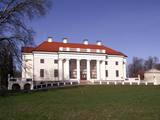 |
This landscape park has survived to the present day and was installed between 1850 and 1860. On one side the territory has a boundary that is the dammed Kruoja River, and on the other side there is a fence made of fieldstones. The English park principles at that time meant that advantage was given to a natural landscape with imitations of nature. There are some 26 types of trees in the park, and some of them were introduced from various parts of the world a few centuries ago. |
|
 |
The restaurant is in the Grand Hall of the restored Liepupe Estate. Ancient cooking traditions are merged with modern culinary methods. The restaurant works with local farmers and grows greens and herbs in its own garden. Guests are welcome to help with preparing foods on a wood-fired stove in the antique kitchen. Latvian cuisine: Rye bread canapé, a plate of Latvian cheeses, country salad with greens, grilled seasonal vegetables, estate stock, local fish dishes, baked port chop, baked herb-crusted mutton. |
|
 |
It is possible to look at African ostriches of different ages; to listen to stories about or of ostriches. It is possible to buy crafts made of ostrich feathers, skin and grease, fresh ostrich eggs. |
|
 |
Meistardarbnīcā „Cimdiņi” darbojas Latvijas Amatniecības kameras diplomētā meistare Ina Valtere, pie kuras ikvienam ir iespēja uzzināt visu interesējošo par rokdarbiem, kā arī iegūt padomu un ieteikumus adīšanā, izšūšanā un tamborēšanā. Tiek piedāvāta iespēja piedalīties arī darbnīcās un meistarklasēs. |
|
 |
This is a brewery in a lovely part of Lithuania known as Little Switzerland, surrounded by forests, lakes and castle hills. "Čizo" beer is light, unfiltered and alive, and it is produced on the basis of ancient traditions with forest bee honey. The brewer has not just a recipe, but also equipment so that he can offer a look at ancient methods of beer brewing. |
|
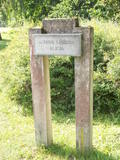 |
Marking of the Jānis Lībietis Alley in the
Ķemeri Park – Lībietis directed the institution
which managed the Ķemeri sulphurous springs
from 1928 until 1944, and the monument to
him is at the end of the Jānis Lībietis Pathway
|
|
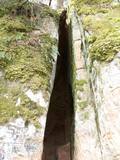 |
The Vējupīte ravine is meant for those who are not afraid of long and steep wooden stairs of the type that lead you up and down the ravine. From the Līvkalns guesthouse, you can climb the stairs downward, where you will find a shallow (3.6 m) but high (6.1 m) cave – the Pēters Cave. It is something of a gap or a niche. Another 10 minutes or so downstream (toward the Gauja) will lead you to the deep Pūces ravine and its Kraukļupīte River. The Satezele castle hill is at the confluence of the two rivers (90 x 75 m). A wooden castle was there during the feudal era in the early 13th century. Its main entrance was on the western side of the castle hill. You can get to the hill from the depths of the ravine via a wooden staircase. The Kraukļi ravine, in turn, is accessible if you climb down the same stairs and continue on your way toward the Gauja. The ravine is found on the left bank of the Vējupīte, and its sandstone walls are up to 11 m high. The Kraukļi cave, which is 5.2 m deep, is on the wall. Another 10-15 minutes (crossing the Vējupīte on a wooden bridge), and you will find another staircase leading you to Paradīze Hill (see the description above). |
|
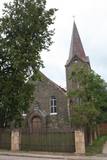 |
Atrodas Raiņa ielā 18. Baznīca celta 1911. - 1912. g. pēc Stukmaņu muižas nomnieka barona R. Noldes iniciatīvas. 1. pasaules karā cietušo baznīcu atjaunoja un no jauna iesvētīja 1921. g. Baznīcā apskatāma altārglezna “Kristus augšāmcelšanās”. Dievnams tāpat kā daudzas citas pilsētas ēkas ir būvētas no apkaimē sastopamā izejmateriāla – dolomīta. Interesanti, ka tornis būvēts ēkas vienā malā – asimetriski. |
|
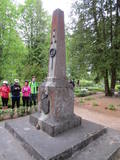 |
The monument is in the Bērtuļi cemetery and has a brass plaque that reads “With deep thanks to fallen heroes of the Latvian people. The 10th Rūjiena Vanagi district.” On the other side of the monument, the words “God, Fatherland, Nation” are engraved. The monument was restored in 1989. |
|
 |
The cafe is situated in Sabile, where you can eat fast and tasty food. Banquets up to30 people. |
|
 |
Saimniecībā tiek piedāvāti dažādi biškopības produkti: medus, bišu maize, propoliss, vaska sveces. Iespēja sarunāt izzinošu ekskursiju - ceļojums bišu pasaulē ar gulēšanu uz bitēm. Tiek piedāvāta arī loku šaušana un zāļu tējas. |
|
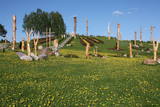 |
Atrodas nepilnus 2 km austrumos no Aglonas, Aglonas – Dagdas ceļa malā. Tā ieceres autors ir Ēriks Delpers, kurš 2006. g. uzsāka vietas labiekārtošanu, izveidojot brīvdabas skulptūru dārzu un stādījumus. Kristus Karaļa kalns šobrīd atrodas izveides procesā, taču neskatoties uz to – objekts, ko ir vērts redzēt! |
|
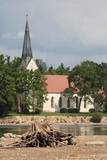 |
Atrodas Pļaviņu HES ūdenskrātuves krastā (R. Blaumaņa ielas galā) iepretim salai, uz kuras top Likteņdārzs. Baznīca (celta 1687. g.) ir vairākkārt atjaunota (1731., 1887.). Tagad redzamais tornis tapis par Stukmaņu muižas īpašnieku atvēlētajiem līdzekļiem. Baznīcā par mācītāju kalpojis Ernests Gliks. Padomju laikos ēkā atradies Stučkas vēstures un mākslas muzejs. Apmeklētāji var uzkāpt dievnama tornī (čuguna zvans!), kā arī aplūkot mākslinieka A. Dobenberga gleznas. Baznīca ir atvērta un apskatāma arī no iekšpuses. |
|
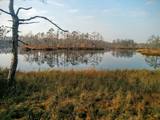 |
Cena's heath swamp's trail was made to introduce vistors to one of the most beautiful things in nature - a moss swamp. The pathway goes not only around beautiful swamp lakes but also meets the degraded part of the swamp. At the beggining and the end is a watch tower. |
|
 7 days
|
Этот маршрут предлагает вам отличную возможность посетить самый большой остров Эстонии – Сааремаа, который является своеобразным символом для туризма по Эстонии. На острове находятся один из наиболее впечатляющих метеоритных кратеров в Северной Европе, Епископский замок Курессааре, самая крутая отвесная скала в Эстонии и множество других интересных туристических объектов. |
|
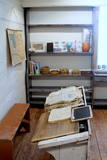 |
The space is on the second floor of the Jūrkalne library, featuring traditional objects from Jūrkalne and the Suiti people, as well as several looms where locals organise creative workshops. Contact the chamber in advance to arrange for a guide who will tell you all about the culture and traditions of the Suiti and present a film about them. |
|
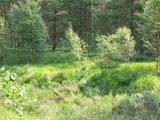 |
The word grīnis in Latvian refers to a very unusual type of forest – pine trees growing on sandy soil. There are two types of this environment – the heather type and the grass type. This is the result of long-lasting interaction between nature and humankind, and such sites are found in just a few places along the shores of the Baltic Sea in Latvia. A very rare plant which grows in the area – cross-leaved heath – was the main reason why a nature reserve was established here in 1936. An abandoned former rail line between Ventspils and Liepāja crosses the reserve from the North to the South. Visits to the reserve are strictly prohibited. |
|
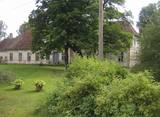 |
The historical centre of the Tāšu Estate is in the Ālande (Telse) River Valley near Lake Tāši. The current estate was built by the von Korff dynasty, and the mansion dates back to 1734. Inside there are valuable Baroque fireplaces, the main entrance portal made of sandstone from Gotland, the original stone floor in the hall, parquet and wall panels. The front door, windows, stairs and other details were installed in the early 19th century |
|
 |
One of Northern Europe's oldest universities (founded in 1632). Many famous people and scientists have studied here. Main building (1804. – 1809.) is one the country's most excellent monuments of Classical architecture. |
|


