
| No | Name | Description |
|---|---|---|
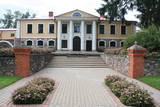 |
The estate is in the centre of Ineši, 5 km to the south of Vecpiebalga. The estate dates back to the latter half of the 17th century, when an ornate castle for the noble Sheremetyev family was built here in the style of Classicism and on the banks of the little Orisāre River. The castle was built down during the 1905 Revolution, but restored four years later. Around the castle is a lovely landscape park. The castle served as the prototype for the Slātava Estate in the famous novel “Age of the Surveyors” by the Kaudzīte brothers. In 1992, the Piebalga Administrative District Museum was opened in the wine cellar of the castle, which is home to the Ineši Parish Council and a porcelain painting studio. Organised tours of the estate and its surrounding area are available. |
|
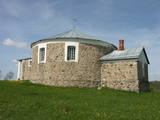 |
This chapel is interesting in form and made of field stones. It was built in the 19th century and is not open to the public. |
|
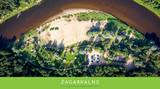 |
Not far from the "Žagarkalns" skiing slopes, at Cēsis, by the Gauja river. Tenting and caravan sites, boating camp. Large area, convenient for guest privacy. Cottages for parties, sauna. Boats and bicycles for rent. In winter - skiing slopes and services.
|
|
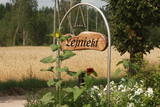 |
This is a new farm that produces cheese and waits for groups of visitors. People can help to make cheese and taste and buy it. Lejnieki won a prize as the most orderly working farm in the Valka Administrative District. |
|
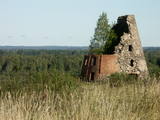 |
The area known as the territory of high hillocks has several heights – Lakta Hill (250 metres above sea level), Egļu Hill (268 metres above sea level), and Bākūži Hill (272 metres above sea level). They are connected by an earthen road – it’s worth hiking the trail to find the best viewing areas. A very fine view of the backs of hillocks in the Vidzeme highlands can be seen from the northern side of Lakta Hill.
|
|
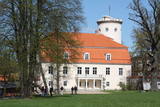 |
The history of Cēsis begins at the Riekstu hill, which is 18 m high and the surrounding area. There was a wooden castle built by the Vendian tribe that stood there from the 11th to the 13th century. The hill is in the central part of the castle’s park, and it offers a fine view of the park, a pond and the ruins of the Cēsis Castle. A long staircase leads to the hill. The Cēsis Castle was built in the early 13th century as the residence of masters of the Livonian Order, and it was one of the most fortified forts in the Baltic region. Alongside is the New Cēsis Castle, which was built in 1777 in a place where gate fortifications had been before. The building houses the Cēsis Museum of History and Art, and an annex contains the Castle Visitor Centre and the Cēsis Tourism Information Centre. From the tower of the castle, we get a good view of the castle ruins, St John’s Lutheran Church and the northern stretches of the city. Opposite the new castle is the stable of the Cēsis Castle Estate and a wheelhouse (both from the first half of the 19th century). Today these house the Cēsis Exhibition Hall. Other buildings include a granary, a hut for coachmen and an old brewery. On the other side of the street is the romantic May park, which was installed during the 1830s. Streets in Cēsis include Lielā Katrīna, Mazā Katrīna, Mazā Kalēju, Kalēju and Lielā Līvu streets and Līvu square with wooden buildings from the late 18th and early 19th century. Torņa Street stretches along the walls of the Medieval castle. Outside the church is a sculpture, “As the Centuries Pass By,” and legend has it that anyone who rubs the lantern of the Old Time Man can see the future. One of the most impressive buildings in Cēsis is St John’s Lutheran Church, which was built in the late 13th century by the Livonian Order. The Roman-style three-segment basilica has elements of Gothic design and a 65 m steeple that was installed in 1853. The building was reconstructed several times during the 20th century and contains grave plaques relates to masters of the Livonian Order and local bishops. The pulpit dates back to 1748, the oak altar was manufactured in 1858, and the altar painting “Crucified One” was painted in 1862. The windows of the altar part of the church contain artistically valuable stained glass. The organ was manufactured in 1907 by the E.F. Walker firm, and it is one of the best concert organs in Latvia. The solar clock with the number 1744 is in the south-wester corner of the church. It is worth scaling the viewing tower of the church. At its foot is Rose Square, which was a market square from the mid-13th century until 1927 and was restored in 2008. This is the central square in the city. During the Middle Ages, a punishment pole and the city well were here. Rīgas Street has been the main street in the old part of the city from the very start, and here we find most of the architecturally distinguished buildings from the 18th and 19th century – the former city hall, the Fābers house and the Princess house. At one end of the street is Liv Square, where there a church, cemetery and the Rīga gate in the city’s walls existed in the 13th century. Today the square is decorated by a lighted fountain at a place where a well was found in the 13th century. On the other end of the street we find a reconstruction of the foundations of the Rauna gate from the 14th and 15th century, offering a good look at Medieval walls and the size and strength of the gates. It is commonly claimed that the national flag of Latvia was born in Cēsis, but it must be emphasised that the flag that is mentioned in chronicles was designed in Cēsis in 1279 as the ideological prototype of the current Latvian flag, while the story of the first national flag actually comes from Valmiera, where it was sewn in 1916. |
|
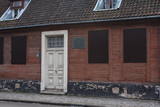 |
Находится на ул. Кунгу, д. 24.Одно из старейших зданий города - деревянный сруб с черепичной крышей, построенный во второй половине XVII века и прозванный в народе гостиницей мадам Хойер. Здесь в 1697 году во время путешествия «Великого посольства» в западную Европу останавливался (инкогнито) русский царь Петр I. Находящееся по соседству здание на ул. Кунгу, д. 26, является вторым старейшим жилым зданием Лиепаи (1699 г.) – жилой дом бургомистра города. Во время Северной войны здесь останавливался король Швеции Карл XII. Оба здания подлежат осмотру только снаружи. |
|
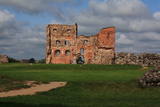 |
Dabiskā zemesragā starp Lielo un Mazo Ludzas ezeru 14. gs. beigās slejās seno latgaļu koka pils, kuras vietā Livonijas ordenis uzcēla Latgales varenāko mūra pili. Tā bija iespaidīga trīsstāvu celtne kvadrāta formā ar sešiem torņiem, trīs vārtiem un divām priekšpilīm. Pēc krievu iebrukuma Latgalē 1481. g., Ludzas pili atjaunoja 1525. g. 1654. g. to atkal izposta Krievijas cara Alekseja Mihailoviča karaspēks. Jau 18. gs. no pils bija palikušas tikai drupas, kas arī mūsdienās ir ļoti iespaidīgas un ainaviskas (ar skatu uz Lielo Ludzas ezeru un baznīcu torņiem). |
|
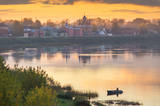 |
Krustpils was first recorded in documents in 1237 in relation to the construction of the Kreutzburg castle on the right bank of the Daugava River. A 1511 document lists it as a village. In 1585, Polish King Stefan Báthory gifted the town to Nicholas Korff, whose family continued to own it until 1920. Battles between Swedish and Polish forces occurred outside of Krustpils in 1626, and the sacked village was in poor shape until the mid-19th century. Jēkabpils, in turn, was constructed as a settlement for Old Believers who were persecuted in Russia. The Daugava has rapids opposite Krustpils and Jēkabpils, which means that boats had to dock there and reload their goods into wagons. The settlement flourished, and in 1670 it was given the rights of a city. It is named after Duke Jacob. When the Rīga-Daugavpils rail line opened in 1861, Krustpils flourished, and Jēkabpils did not flourish. The two cities were administratively merged in 1962, keeping the name of Jēkabpils. There are typical one-story wooden buildings from the 19th century, red brick buildings built at the turn of the 20th century, as well as seven churches used by different denominations. The dam along the left bank of the Daugava was built in 1861, and it was aimed at protecting the city against flooding. Today it is a promenade that is popular among local residents for strolling and leisure. |
|
 |
Meklējams Zirgu salas dienviddaļā – uz t.s. Golodova dambja. Tornis pieejams kājāmgājējiem un velobraucējiem. Automašīna jāatstāj pie Ezermalas ielas. No torņa redzams plašs skats uz daļēji aizaugušo Liepājas ezera ziemeļdaļu. Laba putnu vērošanas vieta. Ietilpst Liepājas ezera dabas lieguma teritorijā. |
|
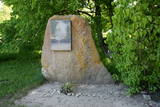 |
The memorial to Latvian President Gustavs Zemgals (1871-1939) was first installed in 1990 at the Brātiņi homestead, where he grew up. In 2016 it was moved to the Džukste memorial park. |
|
 2 days
|
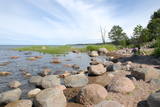
Lahemaa – the oldest and biggest national park in Estonia – is waiting to be explored. Experiences include a guided nature walk in the bog, a peaceful afternoon in a traditional fishing village, cooking with the local family, a traditional sauna, some farm work and taking part in the local social life. |
|
 |
The workshop is in a farm, and the weaver produces blankets, carpeting, floor pathways, tablecloths, pillows, woven baskets, trays and souvenirs, as well as folk costumes on commission. She will be happy to show you her weaving and wicker-work skills. |
|
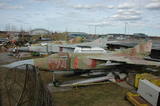 |
The largest collection in Europe of Soviet aviation and military equipment is on the territory of the Rīga International Airport and is open to visitors. The collection was assembled over the course of 40 years.
|
|
 |
The saloon is on the shore of Lake Alūksne and the Jaunsētas country tourism and leisure centre. The log saloon’s interior is based on the style of the 17th century, when a girl was born in the area who was raised by her foster father Ernst Glick and would later become Empress Catharine the Great, Wife of Peter the Great of Russia. |
|
 |
Mājražošanas uzņēmums no Jaunjelgavas novada Seces pagasta. Savu hobiju (kūpināšanu) uzņēmuma saimnieks ar pieredzi papildinājis vairāku gadu garumā, taču plašākam pircēju pulkam produkcijas klāsts piedāvāts no 2013. gada. Uzņēmumā tiek kūpinātas lielākoties tikai Latvijā audzētas zivis, ar tradicionālām metodēm, izmantojot alkšņu malku, nepievienojot e-vielas. Piedāvājumā ietilpst arī kūpināta vistas gaļa, jūras asari, kā arī citi kūpinājumi. |
|
 |
Nīcas siera ražotne atrodas zemnieku saimniecībā “Birzmaļi”, kas ir viena no lielākajām piena ražotājām Lejaskurzemē. Ideja par amatniecības siera ražošanu radās 2017. gadā, un tā tika īstenota, ar LEADER programmas atbalstu izveidojot ražotni. Ikkatrs siera ritulis ir siera meistaru roku darbs, veidots ar lielu atbildību un rūpēm par augstāko kvalitāti. SieriSvaigais siers – mocarellas tipa svaigais siers ar dažādām piedevām, piemēram, ķimenēm, baziliku un papriku, kā arī citām rūpīgi piemeklētām garšām. Puscietais siers – gatavots pēc Nīderlandes siera metodes, kas piešķir tam maigāku, nedaudz saldenu garšu un elastīgu tekstūru. Siers tiek nogatavināts no trijiem līdz pat divpadsmit mēnešiem. Cietais siers – recepte balstīta Itālijas siera tradīcijās. Tas izceļas ar izteiktu garšu un raksturu un tiek nogatavināts sešus vai divpadsmit mēnešus, iegūstot bagātīgu un niansētu garšas buķeti. Kā top siersSiers tiek gatavots no nepasterizēta rīta slaukuma govs piena, ko sāk apstrādāt vēl siltu. Šāda pieeja ļauj saglabāt piena dabisko garšu un raksturu, padarot sieru izteiksmīgu, niansētu un dzīvu. Sieru gatavo meistare Dace Vecbaštika, apvienojot tradīcijas ar rūpīgu roku darbu. ApmeklētājiemIkdienā apmeklētājus ražotnē neuzņem, taču siera degustācijas ir iespējamas, iepriekš vienojoties. Nīcas sieru iespējams nogaršot arī kafejnīcā “Dzintariņš” Bernātos, kā arī restorānos “Parka Paviljons” un “Spīķeris 53” Liepājā. Kur iegādāties sierusNīcas sierus iespējams iegādāties tirdzniecības vietās: LATS veikalos Nīcā, siera stendā Liepājas Pētertirgū, mājražotāju veikaliņā “Martas kiosks” Grobiņā, mājražotāju tirdziņos Liepājā, Rožu laukumā, atpūtas kompleksa “Rāmkalni” veikalā. |
|
 |
In 1916, during the German military occupation of Latvia, prisoners of war were put to work in installing narrow-gauge railroads via which the Germans exported Latvian timber. A narrow-gauge rail network was built through the forests and across the swamps of the Viesīte area. The track width was round 600 mm, and there was a total of 130 km of tracks to connect Viesīte (the central station) to Nereta, Aknīste, Jēkabpils and Daudzeva. The train was used after world War II to transport timber and passengers. The last trip along the line occurred on August 31, 1972.
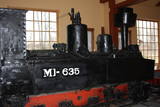
You can tour the museum individually or with the assistance of a guide. You’ll see an Mi-635 locomotive, wagons for passengers and cargo, a platform to transport timber materials, and two trolleys.
|
|
 |
The restaurant is in the Promenade Hotel, which was established at historical port docks in Liepāja. It works with local farmers and fishermen and offers live music on weekends. Latvian cuisine: Mutton soup, baked plaice or catfish filet, cod prepared according to traditional fishermen’s recipes, crepes. Special foods: Freshly caught fish with grilled vegetables. |
|
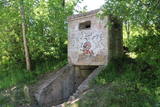 |
Viena no slepenākajām vietām kādreizējā Padomju Latvijā - bunkuri ir bijušais raķešu vadības punkts un patvertne. Bunkurus izveidoja 1950. un 1960. gadu mijā Padomju armijas vajadzībām. Par atrašanos šajā teritorijā draudēja bargs sods. Celtnes izveidošanai ar milzīgām 16- riteņu kravas automašīnām tika atvesti lieli dzelzbetona bloki. Pēc trīs bunkuru izveidošanas, papildus nostiprināšanai un nosiltināšanai tos apbēra ar granti. Celtne sastāv no 2 x 3 sekcijām, kas pievienotas vidējam gaitenim. Blakus ēkā atradās skola, kad 1946. gadā tā daļēji bija izdegusi, tika noslēgts līgums ar Padomju armijas garnizonu par telpu īri. Tā Valkas pilsētas centrā radās militārais centrs un Valka kļuva par Padomju Savienībai svarīgu kodolbruņojuma objektu. Objekts pieejams tikai no ārpuses! |
|


