
| No | Name | Description |
|---|---|---|
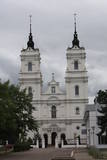 |
Atrodas t.s. Baznīcu kalnā - A. Pumpura ielā 11 a. Varenais neobaroka stilā celtais dievnamu tapis 1905. g. Pastāv viedoklis, ka par šīs baznīcas prototipu izmantotas Aglonas vai Krāslavas bazilikas, kā arī Rietumeiropas baznīcu paraugi. Tās interjeru rotā divstāvīgs altāris, kurā novietota spāņu gleznotāja B. E. Muriljo pazīstamās gleznas “Svētā Dievmāte” kopija. 1909. g. baznīcā uzstādīja poļu meistara Ādolfa Hofmana būvētās ērģeles.No būvniecības laika saglabājusies arī pārējā baznīcas iekārta. |
|
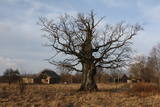 |
A small settlement with a school, library and shop. North from the Vidale are visible remains of the windmill. Going towards the Gulf of Riga, the road crosses Shlitere Zilie mountain precipice with spectacular views during late autumn, early spring and winter, when there are no leaves on the trees and sandstone outcrops. To the left you can see Zilie mountain spring - a landscaped water taking place. Road that runs from the Vidale to Melnsils side, is called by the locals Knipeldambi. They say that it was built by the German army first During World War I, putting logs on the road and covering them with sand. |
|
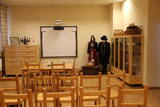 |
This collection features the heritage of the Suiti people, including an exhibition of folk costumes. Visitors can learn about the costumes and try them on. This is a cosy place for meetings, with well-equipped rooms for seminars and various types of training sessions. |
|
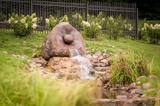 |
Lielbātas dabīgais dzidravots ir lielākais Latvijā un viens no retajiem Ziemeļeiropā, kas zemes virspusē no dzīlēm iznes bioloģiski aktīvu un pareizi strukturētu ūdeni. Lielbātas dzidravots tek no rietumiem uz austrumiem pretī saulei, tāpēc jau izsenis tiek uzskatīts par maģisku, pat svētu, kam piemīt dziednieciskas spējas. Vēstures materiālos Lielbātas avots pirmo reizi pieminēts 1253. gadā un līdz šim brīdim turpina savu plūdumu. Lielbātas avots atrodas sakoptā un ekoloģiski tīrā vidē. Laikam ritot, avota ūdens plūsma nav mazinājusies, bet tieši pretēji, tā ir pieņēmusies spēkā un ar apbrīnojamu jaudu avots turpina dot unikālu dabas velti – tīru, bioloģiski aktīvu, pareizi strukturētu ūdeni, neapstājoties ne dienu, ne nakti, ne ziemu, ne vasaru. Netālu no avota atrodas vēsturiskā Vaiņodes jeb Lielbātas pils, kuru 19. gs. vidū būvēja barons Osten Sakens. Vēstures liecības liecina, ka šī vieta pils būvniecībai nav izvēlēta nejauši. 1923. gadā pilī tika izveidota sanatorija, kas ne tikai bija priekšzīmīgākā Latvijā, bet varēja cienīgi līdzināties ārzemju sanatorijām. Tam par iemeslu bija dabiski tīrā un dziednieciskā vide, kas saglabājusies līdz pat mūsdienām. Lielbātas pils ir privātīpašums un apmeklētājiem nav pieejama, taču Lielbātas avots ir brīvi pieejams, un katram ir iespējams nogaršot avota ūdeni. Adrese: Vaiņodes pils, Vaiņodes pagasts, Dienvidkurzemes novads LV-3535 |
|
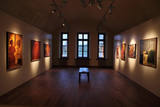 |
The Daugavpils Mark Rothko Art Centre is a multi-functional institution of culture, arts and education, located inside of the fortress' Arsenal building. It is a unique place in the Eastern Europe, where are located the original paintings of Mark Rothko – a great artist of the XX cent., a founder of the abstract expressionism movement, best known for his enigmatic color field paintings. |
|
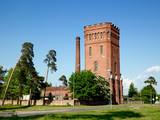 |
Encircled by apartment buildings, some of which are abandoned, the Tosmare water tower, which was built in 1905 in a pseudo-Gothic style and is made of red bricks, stands tall and proud. It is 37 metres high. Steam pumps were once used to pump underground water into the tower (the pumps have survived to this very day). Water was delivered three times a day to the residents of Karosta. The tower is no longer used for its original purpose, however. The tower can be viewed from the outside at any time. This is a unique aspect of Latvia’s industrial heritage.
|
|
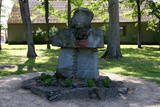 |
Found in the centre of Džūkste, the monument that was set up in 1990 was blown up in 1990, and the current one was made from the ruins of the destroyed one. The monument commemorates troops from the 19th Division of the Latvian Legion who fell during the so-called Christmas battles in 1944. |
|
 5 days
|
This route involves unique views that have never been seen before in Latvia! The impressively steep shoreline of the Baltic Sea begins a few kilometres to the North of Pāvilosta and ends shortly before Ošvalki, stretching for nearly 20 kilometres in all. Its most impressive and unusual forms are seen between Strante and Ulmale. The entire route leads down the western boundary of the former Iron Curtain, because the Baltic Sea coastline was militarised during the Soviet era and unavailable to most people. Remnants of former military objects and old tank routes in the dunes can still be seen. The largest biotopes of grey dunes stretch for several kilometres around Ventspils and Užava. These are unusual landscapes that can seldom be seen elsewhere in Europe. You can walk more than 10 kilometres here and not see another soul. Route information from Latvijas Lauku forums |
|
 12 days
|
The route includes some of the most authentic local expediencies travelling through blue lake districts along the Eastern part of Latvia and Lithuania. This is a region where mass tourism has not yet arrived, and you find very sincere and hospitable people, traditional villages, many churches and cult locations which bring together paganism, Roman Catholicism, Lutheranism, Russian Orthodoxy and Old believers, |
|
 |
A gift shop in the old town of Cēsis near Rose Square, in the building of the former hotel "Baltischer Hof". The shop is named after the hotel's former owner, Karlīne. It is possible to buy gifts, handicraft items, souvenirs, as well as delicious homemade products, homemade wines and spirits here. |
|
 |
The Skala silence home is on the banks of the ancient Nevežio river valley. You will be served happy dishes from everything that is grown at the farm. |
|
 |
From the 6th century until the 8th century instead of the current Grobina the largest known Scandinavian trade and warrior colony in the Baltic States was located. Settlers from the inlands of Gotland and Sweden established their settlement at the hillock that was then located at the bank of the navigable Alande River. It is believed that the Cours Castle – Seeburg mentioned in the chronicles of the 9th century was located exactly here. After the loss of the order castle in the 13th century Grobina became the centre of the region. The most ancient construction of the city was formed around Lielā Street, as well as around Saules and Parka Streets. |
|
 1 day
|
Dodieties ekskursijā, lai gūtu ieskatu lauku profesijā un dzīvesveidā, kā arī iegūtu jaunus iespaidus un labu atpūtu visai klasei. Ekskursijas laikā apmeklējiet podnieku, kurš skolēniem māca, kā praktiski darboties ar rokām, kā no māla izveidot skaistu darbus ar saviem parakstiem un zīmējumiem. Pēc tam apmeklējiet maiznīcu, kur saimniece piedāvā maizes degustāciju un picu cepšanu. Ekskursijas noslēgumā dodieties uz agro saimniecību, lai redzētu, kā siltumnīcās tiek audzēti tomāti, izmantojot mūsdienīgas fotosintēzes tehnoloģijas. |
|
 7 days
|
The tour from Riga to Tallinn combines natural and cultural heritage and includes lovely landscapes and 15 nature trails which cross marshlands, meadows and forests along the shores of the Baltic Sea, including several protected nature reserves. Many trails are equipped with viewing towers for birdwatching. Randu meadows near Ainazi contains one third of Latvia's entire plant species. A boardwalk leads through reeds to a viewing platform with views over the meadow and the sea. Saaremaa island is interesting with very different natural attractions to the mainland - dolomite cliffs, juniper heaths, a meteorite lake and rocky sea shore. The tour passes rural farms and traditional villages typical of the coastal areas. Hiiumaa island is a laid back place and retains a very Estonian atmosphere with an important bird reserve at Kaina Bay, unusual Saare Tirp as well as several small islets off its south-eastern coast. Back on the mainland, Paldiski peninsula gives a glimpse of the recent history with its former Soviet military base. |
|
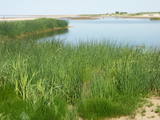 |
This area is full of coastline meadows, lagoons, muddy little lakes and sandy shallows, all full of reeds. This area of the eastern shore of the Bay of Rīga is found between Ainaži and Kuiviži. The Randa meadows are an enormously important location for water birds and rare plants – some 500 in all. A new bird-watching tower and a nature trail have been established for those who wish to study the meadows.
|
|
 |
The farm grows some 25 types of plants and prepares products from approximately 50 types of plants. Visitors will learn about the use of medicinal plants not just in teas, but also in oils, extracts, tinctures, syrups, etc. These can be used for everyday nutrition. Products can be tasted and bought, and you can help out with the farm’s operations. There is also livestock to view. |
|
 |
Nepilnus 3 km garā taka iepazīstina ar dziļo Imulas ieleju – Abavas kreisā krasta pieteku. Īpaši iespaidīga ieleja izskatās bezlapu periodā, kad ir apjaušami tās izmēri un formas. Viens no takas iespaidīgākajiem objektiem ir Buses jeb Matkules pilskalns. Apskatāmi citi objekti – Baznīckalns, Bedrīšakmens, Ķauķa kalns ar avotiņu. Atrodas dabas parkā „Abavas senleja”. |
|
 |
For the first time, Balvi as populated area was mentioned in 1224. In the turn of 19th and 20th century, Balvi as manor and the parish centre formed as a larger settlement. During the Latvian freedom fights in 1919 Balvi was a place of establishment of Latgale guerrilla regiment. In 1926 Balvi obtained village rights, but by the 1928 became a town. During the World War II, while retreating, the German burnt down Balvi almost completely. People of Balvi are proud that the sun rises here about three minutes earlier than in the capital. Also the centre of the town has changed over the recent years. |
|
 |
The Lapmežciems People’s Centre was
built in 1957 and is home to the local
administrative district’s council at this time.
|
|
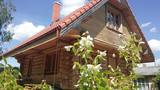 |
Brīvdienu māja "Jasmīnu nams" atrodas pie pašas Jelgavas robežas - tikai 7 minūšu braucienā līdz pilsētas centram. Brīvdienu māja ir lieliska vieta mierpilnam dabas baudījumam, kas rit roku rokā ar iespēju stiprināt veselību pirtī vai alternatīvā SPA - āra kublā. Brīvdienu mājā ir 3 istabas, savrupa teritorija vienai līdz divām mājsaimniecībām – līdz 6 personām, īpašu uzsvaru liekot uz atpūtu kopā ar bērniem. Nav paredzēts skaļām ballītēm un jauniešu tusiņiem. Namiņā ir viss nepieciešamais maltītes pagatavošanai gan iekšā, gan ārā svaigā gaisā. Tuvumā atrodas Svētes upe un atpūtas zona - Svētes palienes pļavu koka laipu celiņu tīkls. |
|


