
| No | Name | Description |
|---|---|---|
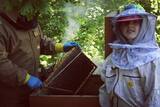 |
The owner produces honey and related products such as pollen and propolis, honey wine, and an alcoholic beverage called “Bee’s Kiss.” You can take a tour of the beekeeping operations and purchase the products. |
|
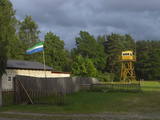 |
This coast guard facility was housed in a building that used to be a maritime school. In the post-Soviet era, accommodations were offered at the building. The coast guard tower is one of the best-preserved objects of its kind along the Latvian shoreline.
|
|
 |
Cīravas muižas ūdensdzirnavas būvētas 1881. g., bet 20. gs. – pārveidotas. Šīs ir vienas no salīdzinoši retajām Latvijas ūdensdzirnavām, kas tādā apjomā saglabājušas vēsturiskos mehānismus. Apskatāmas no ārpuses. |
|
 |
Lohjansaari island is in the middle of the largest fresh water lake in southern Finland. Due to its fertile soil and warm micro climate, the area hosts several arboreta. You can visit apple orchards or spend the night at Martinpiha destination and enjoy a truly rural experience with the friendly local people. |
|
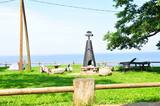 |
Camping "Klintis" on the very shore of the sea near Veczemju cliffs offers parking, tents and picnic places with benches, tables, grill, the opportunity to buy firewood. There are well-equipped camping houses, places for campers, showers and WCs available for camping guests. In the territory of the camping there is a restaurant "Rankulļrags" and a summer cafe. There is a playground for younger guests. |
|
 |
"Pūpoli" is located on the coast of the Gulf of Riga, 50 metres from the sea. Visitors have the opportunity to observe the preparation and smoking of fluke, vimba, bream, perch and other fish, as well as to purchase and taste them. |
|
 |
This structure is smaller than the Great Kangari hills – approximately 10 kilometres long and 16 metres high. This structure is near the Buļļi swamp, and the restricted area is meant to protect the structure, the swamp and the various forest types and rare plants that are in the area.
|
|
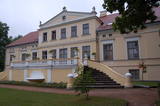 |
The residential building of the manor house was built in the 19th century. In 1932, so neglected manor house was bought by the Latvian press king A. Benjamiņš. Nowadays, the manor house is owned by the Benjamiņi family again and there is located a photo exposition of the private life and travels of A. Benjamiņš. |
|
 |
Mākoņkalna pagasta "Itkaču mājās" ir iespēja ieturēt maltīti- plānās pankūkas ar dažādiem pildījumiem, kartupeļu pankūkas, dārzeņu sautējumu. Iespēja apciemot trušus, pabarot tos ,paglāstīt un paturēt sev klēpī. Pieejami saimnieku veidoti suvenīri. |
|
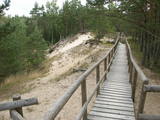 |
The trail climbs up and down along the bluffs of lower River Pilsupe and reveals a fascinating sight of three white dune exposures (the largest is called the White Dune). The trail is 900m long, and the White Dune is ca 20m high. It has formed ca 6000 years ago, in the period of the Littorina Sea which is a foregoer of the Baltic Sea. Here the first Stone Age settlement on the North Western coast of Latvia has been found in 1934 by geologist S. Burhards. In the sand, some 500m from the sea, he found some pottery fragments, a sandstone hone, a piece of flint, parts of bones and an amber bead. He handed the findings over to the National Museum of History. In October 1934, the site was checked by archaeologist E. Šturms, who found the archaeological layer, typical for such settlements, in the landslides of the Pilsupe riverbanks. In 1936 he started larger excavations to continue by 1938. Totally seven, chronologically different settlements were detected and many artefacts found, including fragments of the so called Sārnate and pit-comb pottery, as well as some pieces of corded pottery. Based on these findings, the settlement is dated back to the beginning or middle of the 3rd millenary B.C., and it has been inhabited till the beginning of the 2nd millenary B.C. Especially remarkable are three clay figures in human shape which have probably been used for some religious cult purposes. Since 1993, archaeologist Ilzes Loze has discovered several pit-comb ware culture settlements in large area around Pūrciems village. They are known in research literature as „the Ģipka settlements”. |
|
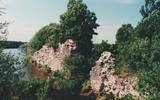 |
The castle hill is an island in the reservoir of the Pļaviņas hydroelectric power plant, and it can be accessed by boat. The ancient Selonian castle hill was settled several times between the 6th and the 12th century. This was the political and military centre of the Selonian region. In 1373, the Livonian Order built a stone castle on the hill, as it did on many other ancient hillocks. The castle was sacked in 1704 during the Great Northern War. Remnants of a square tower, a guard room and the 12 m embankment that once protected the castle are all that survive. Approximately 300 m to the North of the Sēlpils castle hill is Oliņkalns hill, which is underwater. |
|
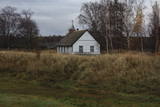 |
Labi aplūkojama (neliela izmēra vienstāvu ēka) no Klajumu vējdzirnavu puses. Baptistu draudze Jūrmalciemā dibināta 1933. gadā. |
|
 |
This is the grave of the
parents of Captain A. Bertholds with an unusual grave monument.
|
|
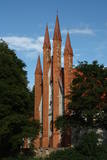 |
Traķu pirmsākumi ir meklējami Senajos Traķos, kas atrodas 4 km dienvidaustrumos no Traķu centra. Uzskata, ka Senos Traķus ir dibinājis Lietuvas dižkunigaitis Ģedimins (~ 1275. – 1341.) 14. gs. pirmajā pusē. 14. gs. otrajā pusē šeit uzcēla mūra pili, no kuras līdz mūsdienām ir saglabājušies tikai nostāvināti zemes vaļņi. Laikā no 1345. – 1382. g. tajā valdīja Ģedimina dēls – Ķēstutis (1297. – 1382.). Senajos Traķos dzimis arī viens no izcilākajiem viduslaiku Lietuvas valdniekiem – Ķēstuta dēls - Vītauts Dižais. Kā pilij, tā arī tās valdniekiem bija nozīmīga loma sekojošajos krusta karos un cīņās. 1391. g. pils tika sagrauta cīņas laikā ar Vācu ordeni, kādēļ arī zaudēja savu stratēģisko nozīmi. 1405. g. benediktīniešu mūki šajā vietā uzcēla baznīcu, bet 18. gs. beigās - jaunu un lielāka apjoma klosteri, kura vienu no korpusiem 1889. g. pārbūvēja par baznīcu. |
|
 |
A large paddock which is freely accessible for children and their parents offers contacts with goats, pigs, fowl and other animals, including rabbits. During the season, the owner offers eggs for sale. |
|
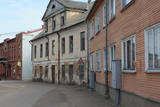 |
Aizputes pilsdrupas, akmens tilts pār Tebru, Jaunā pilsmuiža, ūdensdzirnavas un Sv. Jāņa luterāņu baznīca, kā arī 19. gs. beigās celtās koka ēkas starp Jāņa, Katoļu un Atmodas ielu veido neparastu pilsētbūvniecības kompleksu, kam piešķirts kultūras pieminekļa statuss. Staigājot pa vēsturisko centru, uzmanība jāpievērš ēku durvīm un to vērtnēm, logu ailēm, balkonu margām u.c. elementiem. |
|
 |
Atrodas sporta un atpūtas kompleksā „Trīssaliņas”. No torņa paveras pievilcīga apkaimes ainava, kas īpaši skaista ir pieneņu ziedēšanas laikā. |
|
 |
Atpūtas vieta Braslas upes krastā, kurā pieejamas telts un kemperu vietas. Tiek piedāvātas dažādas izklaides iespējas: laivu noma, meža futbols un meža biljards. Piedāvājumā arī grila noma un malka ugunskuram. Sadarbībā ar kafejnīcu "Zem ozola" tiek nodrošināta ēdināšana, iepriekš par to vienojoties. |
|
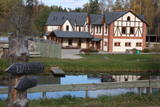 |
Established: 1890. The Wagner Garden is located near Lake Jumprava. Its originator was Friedrich Wagner, who grew fruit trees, decorative shrubs and flowers. This garden contains one of Latvia’s oldest and best collections of foreign trees and shrubs. There are trails for perambulations in the park.
Unique species: Todo Fir (Abies mayriana), among others. Guides for groups and individuals; please contact the garden in advance. Sale of plants
|
|
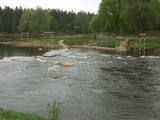 |
This is a territory that is unique at the Latvian and the Baltic level, one which stretches from Valmiera to the Gulbene District. Here we find the irregular Gauja River valley with a dense system of ancient rivers. The meadows on the banks of these rivers are important in terms of biological diversity. There are stands of oak and broad-leaf trees. Many rare and protected birds live and next here – the corn-crake, the woodpecker, etc. The territory is excellent for bird watching, nature studies, ecological tourism and various kinds of active tourism. |
|


