
| Nr | Nosaukums | Apraksts |
|---|---|---|
 |
Pirts rituāli, zāļu tējas, izglītojoša pastaiga dabā, siena viesnīca. |
|
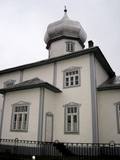 |
Patvērums daudziem vecticībniekiem, apkārtnē 5 baznīcas. Mustvē ciemā jau gadsimtus notiek gadatirgi. Šis ir arī tradicionāls zvejnieku ciems. |
|
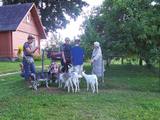 |
Latgales lauku sētas „Mežmalas” saimnieki izveidojuši interesantu
19. un 20. gs. sadzīves lietu, darbarīku un iekārtu kolekciju,
piedāvā tūristiem pašiem izmēģināt roku skalu grozu pīšanā. Skalu
grozu, zāļu tēju iegāde. Enerģētiska meža taka pa priežu mežu.
Darba laiks: pēc pieteikuma |
|
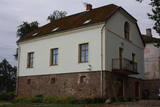 |
Krogus un Brengūža ezeru un Drustu parka ieskāvumā samērā plašā teritorijā „izmētātas” Drustu muižas ēkas. Muižas kungu māja celta 1787. g. Līdz mūsdienām dažādā stāvoklī ir saglabājusies pārvaldnieka māja (19. gs.), klēts (ar kolonnām), krejotava, brūzis, smēde, magazīna, sķūņi u.c. ēkas. Muižas Kavalieru namā ierīkots viesu nams. Interesanti, kāda izskatītos Latvijas lauku ainava, ja tajā šodien nebūtu saglabājušās muižu kompleksi, kas tiek izmantoti vēl joprojām? |
|
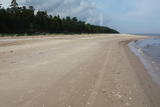 |
1869. g., dažus gadus pēc Ainažu jūrskolas dibināšanas, Ģipkā tika dibināta pirmā jūrskola Kurzemē. Šī bija 2. kategorijas jūrskola, kurā sagatavoja tālbraucējus stūrmaņus un tuvbraucējus kapteiņus. 1894. g. jūrskolu pārcēla uz Mazirbi. Pirms jūrskolas atvēršanās šajā ēkā no 1860. g. darbojās skola, bet 1867. g. speciāli jūrskolai, ēkai tika uzcelts otrais stāvs. Tā ir saglabājusies līdz pat mūsdienām un pārveidota par dzīvojamo māju. Skola (Ģipkā un Mazirbē) savas pastāvēšanas 28 gados devusi vairāk kā 200 profesionālu jūrnieku un tai bija liela nozīme kuģu būves veicināšanā piekrastes lībiešu ciemos. (Avots: Rojas TIC) |
|
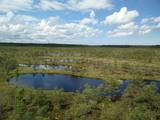 |
Viens no Latvijas lielākajiem (6192 ha) augstā tipa purviem ar ļoti izteiktām purva ezeriņu, lāmu un ciņu ainavām. Lielajam Ķemeru tīrelim ir ne tikai nozīmīga loma kā plašākas apkārtnes hidroloģiskā režīma un mikroklimata uzturētājam, bet tā ir arī putniem starptautiski nozīmīga vieta un viens no lielākajiem sērūdens veidošanās reģioniem. Purva austrumu malā - Kalnciema – Kūdras ceļa malā (3,4 km no Rīgas – Ventspils šosejas) uzstādīts informācijas stends, kas vēsta par Lielā Ķemeru tīreļa apsaimniekošanas pasākumiem un purvu lomu dabā un cilvēku dzīvē. 2013. gadā atklāta atjaunotā Ķemeru Purva taka ar koka laipām un skatu torni. Izveidotas 2 dažādu garumu riņķveida maršruti. |
|
 |
Atrodas Tukuma centrā. Piedāvā latviešu ēdienus. Sadarbojas ar vietējiem zemniekiem un lauku labumu ražotājiem. |
|
 |
Saimniecībā audzē 6 dažādu šķirņu krūmmellenes. Saimniece izvadās pa apkaimes laukiem, pastāstīs par krūmmelleņu audzēšanu, kā arī pacienās un piedāvās iegādāties vērtīgās ogas. Bērni novērtēs saskarsmi ar mājdzīvniekiem – trušiem un kazām. |
|
 |
Viena no augstākajām Latvijas kāpām. Gan pati kāpa, gan arī tās apkārtnē esošās kāpas ir apaugušas ar skujkoku mežu (mežainas jūrmalas kāpas). Atrodas Bernātu dabas parkā. |
|
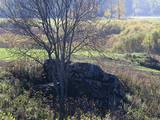 |
Purmaļu laukakmens ir lielākais laukakmens Rēzeknes novadā un
viens no divdesmit lielākajiem Latvijā, atrodas stāvā nogāzē koku un
krūmu ielokā. Akmens ticis postīts, izlaužot robus, kas tagad veido lielus
pakāpienus. Akmens iegūlis stāvā nogāzē, un tas vēl vairāk izceļ tā
ainaviskumu. Apkārtmērs 18,5 m, augstums 3,2 m, garums 5,6 m, platums
4,7 m, virszemes daļas tilpums ap 30 m3.
|
|
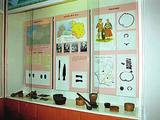 |
Atrodas Viļānu centrā, Kultūras laukumā 2. Muzeja ekspozīcijas mērķis – iepazīstināt interesentus ar pilsētas vēsturi no senatnes līdz mūsdienām. |
|
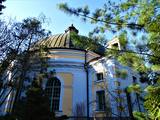 |
Ir atrodamas ziņas, ka baznīca šajā vietā atradusies 17. gadsimtā. Mūsdienās redzamais dievnams ir celts laikā no 1792. – 1794. gadam. Kupolveidīgās celtnes projekta autors bija Rīgas pilsētas galvenais būvmeistars Kristofers Hāberlands. Kupola forma nodrošina labu akustiku iekštelpās. Altāris izvietots pret ieejas durvīm. Starp ēkas kolonnām ir novietota altārglezna, kas attēlo Kristu un Pēteri viļņos apņemtajā jūrā. Kā nozīmīgi interjera priekšmeti jāmin 18. – 19. gs. vīna kausi, svečturi u.c. 2014. gadā ēka restaurēta. Dienvidos no baznīcas atrodas Katlakalna kapi, kuros apglabāts ievērojamais vācbaltu rakstnieks un publicists Garlībs Merķelis (1769. – 1850.), kuram bija nozīmīga loma dzimtbūšanas atcelšanai Baltijā. Katlakalna ev.lut. baznīcas jau vairāk nekā 200 gadus slejas varenu priežu audze, kuras taciņas aizvedīs līdz pat Daugavai, no kuras krasta var palūkoties uz Rīgas TV torni. |
|
 |
Saimniecība ir neliela un atrodas laukos, klusā vietā. Līdz ar to pilnīgi dabiski tiek nodrošināta mierīga un relaksējoša saskarsme un darbs ar zirgiem. Piedāvā izjādes ar diviem zirgiem, organizējam sacensības pajūgu braukšanā. Vasaras periodā nodrošina zirgiem pansiju. Atrodas tikai 4,5 km no valsts nozīmes A9 ceļa Rīga- Liepāja un 16 km attālumā no Rīgas Zoodārza filiāles „Cīruļi”. Vasarā ir ugunskura vieta, nakšņošanas iespējas teltīs. |
|
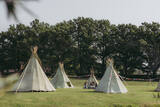 |
Glempings atrodas Auces novadā. Tā ir atpūtas vieta ar privātu teritoriju, kurā rast jaunas izjūtas, nakšņojot vigvamos, saplūst ar dabu, baudīt klusumu un mieru tālu no pilsētas, redzēt briežu un stirnu barus, supot apkaimes ūdeņos, doties pārgājienā pa meža takām, šaut ar loku un baudīt dabiskas ainavas skaistumu. Vigvamā ir glempinga telts cienīgas ērtības - gulta, interjera priekšmeti, āra terase. Viesiem tiks piedāvātas arī brokastis. Uzņēmums "Nomadic Homes" piedāvā arī iegādāties vai noīrēt vigvamus privātiem pasākumiem, atpūtai vai sava biznesa uzsākšanai. |
|
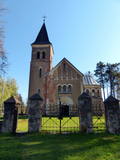 |
Gārsenes evanģēliski luteriskā baznīca – baznīcu barons fon Budbergs bija iecerējis kā veltījumu savai mirušajai sievai, anglietei Ģertrūdei Vorsai. Tā celta ap 1905. gadu pēc arhitekta K.fon Engelharta projekta, bet būvdarbus vadīja arhitekts Eduards Kupfers (1873.-1919). Kokmateriāli vesti no tuvējā meža. Jauncelto baznīcu iesvētīja 1906. gada 1. oktobrī. Kopš 1922. gada baznīca pieder Gārsenes ev.lut. draudzei, tās balkonā atrodas Valkera firmas ērģeles, kas būvētas 1906. gadā Ludvigsburgā. Šīfera jumtu baznīcai uzlika 1976.-1979. gadā. 1988. gadā Restaurācijas pārvaldes jumiķi uzlika tornim kapara skārda jumtu. Torņa smailes lodē ielika kapsulu ar vēstījumu par Gārsenes vēsturi. 1991. gadā altāra daļā nokrāsoja griestus un sienas, restaurēja velves uzrakstu: “Nāciet pie manis visi, kas esat bēdīgi un grūtsirdīgi, es jūs gribu iepriecināt”. Blakus baznīcai tika uzbūvēta barona Budberga dzimtas kapliča, kura saglabājusies līdz mūsdienām un ir vietējās nozīmes Kultūrvēsturisks piemineklis.
|
|
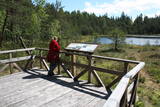 |
Četrus kilometrus garā lokveida un marķētā dabas taka meklējama Plateļu pilsētiņas ziemeļaustrumu daļā. Tā ved pa dažādiem biotopiem – mežu, purvu, ezera malu, atklājot dažādas ainavas un tajās mītošās augu, putnu un dzīvnieku sugas. Šī ir interesantākā un ainaviskākā no Žemaitijas nacionālā parka takām. |
|
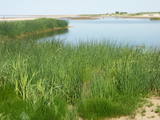 |
Ar niedrēm un meldriem klāts piejūras pļavu, lagūnu, dūņainu ezeriņu un smilšainu sēkļu mozaīkas izraibināts Rīgas līča austrumu krasta posms starp Ainažiem un Kuivižiem – Randu pļavas ("rand" - no igauņu valodas - krasts), kas ir ļoti nozīmīga ūdensputnu atpūtas un retu augu sugu (kopumā konstatētas ap 500 augu sugas) dzīves vieta. Pļavu iepazīšanai izveidots jauns putnu vērošanas tornis un dabas taka.
|
|
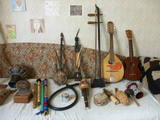 |
Amatnieki no dabiskiem materiāliem izgatavo grabuļus, vēja zvanus un citus mūzikas instrumentus, bet bērniem māca taisīt niedru stabules. Aleksandrs demonstrē ap 100 dažādu instrumentu lielo kolekciju un spēlē tos. Interesenti var pasūtīt un iegādāties amatnieku darinājumus. |
|
 |
Kādreizējais tanku poligons, par kuru mūsdienās vairs vēsta tikai netiešas liecības (sk. stāstu).
|
|
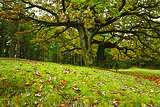 |
Vēstures avotos minēta jau 1582. gadā. 1736. g. Dundagas vaku grāmatā minētas divas Vaides sētas - Lekši un Žonaki. Pēc tautas skaitīšanas datiem 1935. g. pavasarī Vaidē dzīvoja 106 cilvēki, tai skaitā 40 lībieši, 60 latvieši, daži igauņi un vācieši. 1939. g. Vaides ciemā bija 21 sēta. Vaides Lāžos dzima Nika Polmanis (1823 - 1903) - pirmais izglītotais lībietis un visu mūžu nodzīvoja lībiešu dzejnieks Alfons Bertholds (1910 - 1993), kurš blakus sētai augošajam dižozolam veltīja dzejoli. Ar Žonakiem saistīta plašā Bertholdu dzimta: lībiešu teicēja Marija Šaltjāre, jūras jahtu kapteinis Andrejs Bertholds (ASV), viņa dēls, bibliotēku zinātnieks - Artūrs Benedikts Bertholds (ASV), lībiešu dzejnieks Alfons Bertholds, lībiešu valodas zinātāji Paulīne Kļaviņa un Viktors Bertholds, Šveices ārsts Marsels Bertholds, pasaulslavenais pianists Arturs Ozoliņš (Kanādā) un Grizelda Kristiņa (1910 – 2013) – lībiešu valodas teicēja un dzejniece, kura bija pēdējā lībiešu valodas runātāja, kam tā bija dzimtā valoda. Ozolnieki arī saistās ar Bertholdu dzimtu – lībiešu tradīciju un valodas zinātāju Paulīni Kļaviņu (1918 - 2001) un viņas māti, - lībiešu teicēju Katrīnu Zēbergu. Paulīnes savāktā lībiešu etnogrāfisko priekšmetu kolekcija apskatāma Latvijas Etnogrāfiskajā brīvdabas muzejā – „Dēliņu” lībiešu sētas klētī. Vaides Purvziedos apskatāma mežsarga Edgara Hausmaņa meža dzīvnieku ragu kolekcija. |
|


