
| No | Name | Description |
|---|---|---|
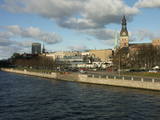 |
The classical skyline of Old Rīga can be enjoyed from several locations – Mūkusalas Street, between the railroad bridge and the stone bridge, from the stone bridge, from the A-B dam, from the grounds of the central office of the Swedbank bank, from the Vanšu bridge, and from the Ballast Dam at Ķīpsala. You can hike or bike from location to location. During the summer, little ships cruise up and down the Daugava to offer different views.
|
|
 |
Beķereja, veikals un kafejnīca atrodas Vaiņodes centrā. Saimniece cep pīrāgus, cepumus un plātsmaizes Latgales meistara mūrētā maizes krāsnī, gatavo tradicionāli latviskus ēdienus, klāj svētku galdus. Beķerejas veikalā var iegādāties ceptuves gardumus un uzzināt par apkaimes interesantākajām vietām. Par dienas aktuālo piedāvājumu beķerejas saimniece ziņo facebook.com/ineta.zveja . |
|
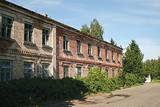 |
The former Maritime School (1894-1914) trained more than 1,000 students.
During Soviet times, a border guard facility was housed here, and the border guard
tower has been preserved. Along the road to the school are forested shoreline
dunes with small buildings which create an interesting coastal landscape. The road
between the Maritime School and the sea was once known as the Captains’ Road.
|
|
 |
Bioloģiskā lopkopība. Saimniecībā audzē dažādus dzīvniekus – Galoveju šķirnes liellopus, Merino aitas, kazas, muflonus, dažādus mājputnus un sliekas, kur katram dzīvniekam ir sava svarīga loma. Piedāvā dzīvnieku apskati un ieskatu bioloģiskajā saimniekošanā, atpūtu pie dabas. |
|
 |
You will find the nice and quiet Kuusiku Nature Farm on the edge of the beautiful Lahemaa National Park by Lake Viitna Pikkjärv. The Kuusiku Farm offers traditional farm bread. |
|
 |
SIA Mikaitas is a family company that was established in 2005 and breeds purebred sheep. It provides seed for other herds to breed fast-growing lambs with excellent taste. The farm breeds the Oxforddown breed of sheep and sells lambs of various ages, breeding sheep and rams, yarn, wool products, processed sheepskin, sheep, mutton and various meat products. |
|
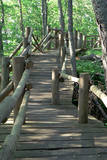 |
Augstrozes pilskalna taka atrodas ainaviskā vietā, gleznainā 13. gadsimta pilskalnā, kas apvīts ar teikām un leģendām. No pils drupām paveras labākais skats uz lielisko ainavu, ko veido Augstrozes Lielezers un Ziemeļu purvi.
|
|
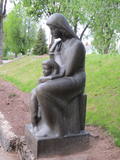 |
Located at the Rūjiena High School, this Kārlis Zemdega sculpture was installed in 1936 in honour of a local teacher, Jūlija Skuiņa, who drowned in 1936 at the age of 24. There are various legends about her death, one of which talks about a tragic love story involving the Rev Roberts Slokenbergs. |
|
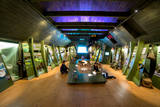 |
The Baltic Sea gave this territory one of the old names of Jūrkalne – Felixberg, and people still talk about the interesting legend that is the origin of the name. Several wrecked ships have been found in the Baltic Sea off the coast of Jūrkalne. An exhibition in the museum visualises the underwater world as the deck of a ship that has sunk into the depths of the sea. The exhibition focuses on the cultural and historical heritage of underwater Latvia, allowing visitors to learn all about the history of sailing ships, steamships and other objects that have been raised from the depths. Small children will start to learn about the underwater world, and researchers with broader knowledge will find something new here. |
|
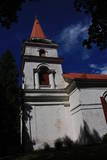 |
When you travel along the northern shore of Lake Sauka where the road to Klauce crosses your road, you will see the Sauka Lutheran Church among the trees. This is the third church at this location. It was opened in 1827 and can mostly be viewed from the outside. The altar is decorated with sculptures of St Peter and St Paul, as well as the altar painting “Jesus on the Cross with Mary and John,” which is by J. Doering. The organ was built by craftsmen in Jelgava, and the pipes were manufactured in Sauka. |
|
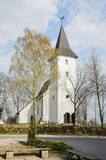 |
The Priekule Lutheran Church was built around 1680 and rebuilt a century later, in 1892. In 2005, the church tower was improved, and visitors to the church can now use it as a viewing platform. They can see the place where Icarus of Priekule supposedly made his first “flight.” |
|
 1 day
|
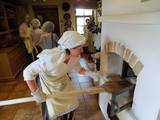
Since ancient times bread has been our staple food, and formed part of breakfast, lunch and our evening meal. We bake bread from rye, wheat, buckwheat and barley. Both fine-ground and wholemeal flour is used. Bread baking is one of the most honoured traditional skills in Latvia. Caunītes country house keeps Latvian traditions alive and demonstrates them to visitors. The house is designed and decorated in the traditional Latvian style and exudes an authentic ambience while having modern facilities. Under the guidance of the hostess, visitors will bake their own loaf of sweet-and-sour bread in a wood-fired bread oven. In Latvian families it was traditionally one of the main duties of the lady of the house to bake a week’s supply of bread for the whole family every Saturday morning. Every woman was proud of her own unique recipe and passed it down to her daughters and granddaughters through the generations. There are many traditional beliefs, sayings and riddles linked with bread in Latvian folklore. Today, there is great interest in the old recipes, bread-baking methods and the use of organic ingredients as many families are opting for a healthy lifestyle. |
|
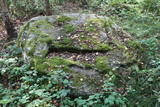 |
Near Mākoņkalns hill there is a trail that is mowed in the summer and leads to several historical rocks – Plakanais (Flat) rock, Āža muguras (Ram's Back) rock (on which you can clamber), and the Jaunstašuļi Velna pēdas (Devil's Footprint) rock, on the surface of which is a shape similar to a human footprint. There are signs along the side of the road leading to the trail. |
|
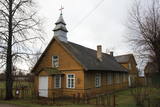 |
Atrodas Rucavas galvenās ielas malā, netālu no centra.Rucavas draudzi dibināja 1871. gadā, bet izmēros nelielo dievnamu uzcēla 1888. gadā. |
|
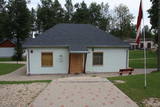 |
This is another place (at A. Brodeles Street 7) which must certainly be visited by those who are interested in the cultural environment of the historical region of Selonia. The museum was established in 2000, and much of its exhibition can be found at the depot of the former narrow-gauge railroad (the depot was built in 1948, and the railroad operated between 1916 and 1972). There you can see a restored locomotive, a passenger wagon, a trolley, etc. The exhibits reflect the lives of major personalities in and around Viesīte, also looking at events and the cultural heritage. There are wood processing and textile workshops at the museum. Outside the building is a fragment from the narrow gauge railroad, along with a water pump. |
|
 |
Atrodas Baznīcas ielā 10. Skaistā ēka ir viena no nedaudzajām 17. gs. celtnēm, kas būvēta koka pildrežģa tehnikā (restaurēta 1986. g.). Kurzemes hercogistes laikā tajā atradās pirmā zāļu tirgotava. Apskatāma no ārpuses. |
|
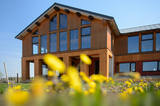 |
Holiday house Ugaraja Kotkaapesa is a cosy place where the owners offer homemade dishes to their guests from ingredients grown locally. The holiday house has a large lounge and sauna, and the area is suitable for hiking. |
|
 |
Saaremaa Island farm Epi produces fruit and berry chutneys, various jams, grows herbs and teas. Products are made using only local ingredients from the Saaremaa and Muhu islands. You can buy products directly at the farm. |
|
 |
In the studio it is possible to buy or order different craftsmanship items, as well as to learn about craftsmanship process. The studio specializes in creating folk costumes, weaving and all sorts of handicrafts, creating jewellery, patchwork, sewing and silk painting. It is possible to see the crafts’ exhibition and buy souvenirs. |
|
 5 days
|
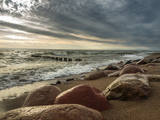
Historians say that the Livs or Livonians lived in the territory of Latvia long ago, starting in the 10th century. They populated Northern Kurzeme and the river banks of the Daugava and Gauja rivers. They asked the first German tradesmen who appeared in the area about the price of textiles at the market in Visby. This means that they were familiar with the island of Gotland. The Livonians were courageous and spiritually strong seafarers, because only strong men can live with the sea, go fishing and seal trapping, and take root in the by no means fertile sands of the seashore. The territory between Ģipka and Ovīši is known as the Livonian coastline. There are still romantic seashore fishing villages of Livonian origin, as well as Cape Kolka, where the great Latvian activist Krišjānis Valdemārs insisted that it was the centre of Europe. Livonians all along the seashore responded to his call by taking part in building sailing ships all the way up to Ainaži, where there was a maritime school. That allowed the ships to sail to the far corners of the world, thus creating a century of sailing ships. This wasn’t possible without the Livonians. Also on the coastline are the oldest lighthouses in Latvia, with the one at Ovīši still serving as a star that shows the route for seaborne ships that are heading for Rīga. The Livonian heritage is also seen in the tradition of fishing for lamprey eels – something that is still very much in place in Carnikava, Svētciems and Salacgrīva. Old-time fishing equipment that cannot be seen anywhere else is on display in the latter town. The Latvian nation emerged when the Livonians flowed together with the Lettigalians, the Livonians joke. It may be that there is some truth in the anecdote. Liv or Livonian culture, lifestyles and history are closely linked to Latvia and cannot be separated from it. |
|


