
| No | Name | Description |
|---|---|---|
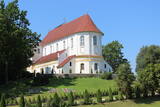 |
The Skaistkalne Roman Catholic Church is in the southern part of Skaistkalne and on the right bank of the Mēmele River valley. The Baroque church is known as the most beautiful Catholic church in Zemgale. The ornate interior and the graves of clergymen and noblemen can be toured. |
|
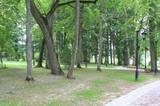 |
This is a natural monument of protected dendrological plants. The park is in the Upmala Parish, covers 2.7 ha, has been protected since 2001 and is managed by the Vārkava Administrative District Council. Judging from the oldest oak trees (approximately 200 years old), the park was established in the early 19th century, with other plants from the latter part of the century. Local species of trees, including maples, elms, fir trees, aspens, oak trees, willow trees, linden trees and hazelnut trees grow in the park, as do more than 10 exotic types of trees and bushes, including various types of maple, aspen, willow, lilac and linden trees. |
|
 |
The guesthouse is on the shore of Lake Ciritis with a view of lake islands. Guests are offered Lettigalian dishes, including ones made from lake fish. |
|
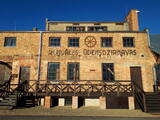 |
18. gadsimta beigās celtās Rundāles muižas ūdensdzirnavas atrodas Pilsrundāles centrā. Ūdensdzirnavas savas pastāvēšanas laikā piedzīvojušas divus postošus ugunsgrēkus, taču laika gaitā to darbība tika atjaunota. Tolaik dzirnavas darbojušās ar ūdens spēku un papildus tam bijusi uzstādīta arī tvaika mašīna. 20. gadsimta trīsdesmitajos gados, kad par īpašnieku kļuva Voldemārs Bergmanis, ūdensdzirnavu ēku atjaunoja un pilnībā nokomplektēja ar tolaik vismodernākajām firmas “O. J. Keller” dzirnavu graudu pārstrādes mašīnām, kā arī tika izvērsta plaša saimnieciskā darbība: labības pārstrāde, galdniecība, vilnas apstrāde un augļu pārstrādāšana. Mūsdienās ūdensdzirnavu ēkā ir izveidots muzejs piecos stāvos, kurā var iepazīties ar dzirnavu darbību. Iespējams sekot līdzi grauda ceļam pa koka šahtām līdz samaltam miltu maisam. Piedāvājumā arī inventāra noma Rundāles ūdensdzirnavu tilpnē. Pieejami SUP dēļi, airu laiva, ūdens velosipēds un kanoe laiva. 2021. gadā tika izveidota neliela alus darītava un uzsākta alus ražošana. Tiek ražots gaišais un tumšais alus, kura visas sastāvdaļas tiek iepirktas Latvijā, bet graudi no vietējiem zemniekiem. Videi draudzīgā iekārta atbilst jaunākajiem ES standartiem un prasībām. Viesiem tiek parādīts alus gatavošanas process, piedāvā degustācijas, kā arī telpas pasākumiem un svinībām. |
|
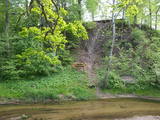 |
The Vilce Nature Park is small in size and exists alongside the deep valleys of the Vilce River and its tributaries. Biotopes include visible sandstone cliffs, rapids on the rivers, forests typical of such areas, and the plants and animals that are found therein. The well-appointed Vilce castle hill is next to the Zaķu meadow, which is a nicely appointed and popular place for recreation. |
|
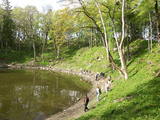 |
The biggest sea island in Estonia. In translation - "Land of The Islands". A bridge, where cyclists can drive connects Saaremaa island to Muhu island . |
|
 |
Atrodas Lubāna dienvidu krastā pie dambja un Īdeņas kanāla, no kura var aplūkot „tipiskas” mitrāju ainavas – niedrājus, aplūstošus krūmājus, mitras pļavas, aizaugušo ezeru. |
|
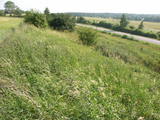 |
This territory protects the shore of the onetime Baltic lake of ice, which most significant part stretches for 10 kilometres on the eastern side of the Grobiņa-Ventspils highway from Kapsēde till Vērgale bus stop. From the top of this ancient shoreline there is a lovely view of the Piejūra lowlands, but no specific viewing areas or information stands have been installed. There are protected species and habitats in the territory. |
|
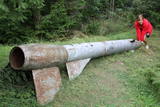 |
Der weiteste Nordpunkt der Juminda Halbinsel mit einer Raketen-Attrappe der Sowjetarmee, der alten Grabstätten, dem Juminda-Leuchtturm und einem Denkmal für die Opfern des Zweiten Weltkriegs. |
|
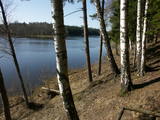 |
Lake Valgums is 3 km long and 27 m
deep, and it dates back to the last Ice Age.
|
|
 |
Saimniecība ir neliela un atrodas laukos, klusā vietā. Līdz ar to pilnīgi dabiski tiek nodrošināta mierīga un relaksējoša saskarsme un darbs ar zirgiem. Piedāvā izjādes ar diviem zirgiem, organizējam sacensības pajūgu braukšanā. Vasaras periodā nodrošina zirgiem pansiju. Atrodas tikai 4,5 km no valsts nozīmes A9 ceļa Rīga- Liepāja un 16 km attālumā no Rīgas Zoodārza filiāles „Cīruļi”. Vasarā ir ugunskura vieta, nakšņošanas iespējas teltīs. |
|
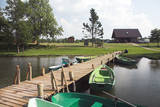 |
This centre offers recreation in a lovely venue on the banks of Lake Zvirgzdi without overnight accommodations. There is a lovely sandy beach for swimmers, as well as boating and fishing. Children can ride a water bike. Active leisure with a country sauna. There is a guesthouse with two rooms for eight people, as well as six camping trailers, 18 sites for tents, and an opportunity to rent a boat. |
|
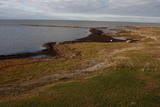 |
Puises ragā (Puise nina) ir uzcelts divstāvīgs atpūtas nams, kas apvienots ar putnu vērošanas torni. No tā paveras skats uz piekrasti, kas ir iecienīta migrējošo zosu atpūtas vieta. Šī ir privāta teritorija, kuras apskati vēlams saskaņot ar īpašnieku. |
|
 |
The museum offers information about local manufacturing traditions, as well as products from SIA Naukšēni – various oils (made of rapeseed and hempseed), ten non-alcoholic beverages (kvass, mineral water), as well as tastings of homemade wine. Some of the products can be purchased. |
|
 |
Atrodas Ventspils Rātslaukuma rietumu pusē iepretim Nikolaja luterāņu baznīcai. Ēkas pirmsākumi ir meklējami 18. gs. 1850. g. tajā atradās pilsētas Rātsnams, kopš 2006. g. - rakstnieku un tulkotāju māja, kurā patstāvīgi uzturas un strādā Latvijas un ārvalstu literāti. |
|
 2 days
|
A scenic and tradition-rich stretch of the Forest Trail symbolised by the onion. Onions were brought to the region by Old Believers in the 17th century. Ladies and gentlemen selling home-made onion strings on the roadside have become somewhat of a business card of the villages. The villages on the twenty-four kilometre stretch of road between Varnja and Kallaste are connected by the tourist route called Onion Road. The landscape is decorated by colourful wooden houses, small fish shops and a restaurant where you can enjoy tea made in the samovar, true to the traditions of Old Believers. You can visit the Kostja’s onion farm, where the host welcomes the guests and shows them onion cultivation. It is also worth visiting the Chicory Museum in Kolkja to get acquainted with the history of chicory cultivation in row villages near Lake Peipus. At the end of the trail you will reach Alatskivi, where the famous Alatskivi Castle is located. |
|
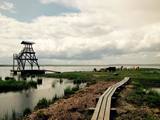 |
Engures apkaimē aug 22 no Latvijā sastopamajām 32 orhideju dzimtas sugām .Lai dabas parka apmeklētājiem dotu iespēju aplūkot šīs interesantās augu sugas, ierīkota Orhideju taka. Kopējais takas garums ir 3.5 km, tā sākas netālu no Engures Ornitoloģisko pētījumu centra, līkumo caur kalcifilajiem purviem un mežam putnu novērošanas torņa virzienā, un aizvijas tālāk gar atjaunoto ezera piekrastes pļavu, kurā mīt govis un zirgi. Takas sākumā novietotajā informācijas zīmē attēlotas ne tikai apkārtnē sastopamās orhidejas. Tur iespējams gūt daudzpusīgu informāciju arī par citām interesantām Engures ezera dabas parka augu sugām.
|
|
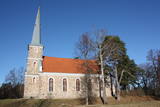 |
A wooden church was built here in 1766, and the new brick church was built on the foundations of the old church and consecrated in 1868. The tall steeple of the church helped ship captains orient themselves during the daytime. An altar painting by Gunta Liepiņa-Grīva, "Christ and Peter on the Sea," was consecrated in 1993 to replace the former painting, which was lost. The blue-white-green Livonian flag was consecrated at the Mazirbe manse (now a recollection centre) on November 18, 1923. Near the manse are several rocks which stand witness to the Black Plague in 1710 and 1711. The text in Latin said that Livonians on the coastline were conquered by Swedish King Karl IX and the bubonic plague. The texts on the rocks have eroded away, but records of them were made. The Mazirbe cemetery has a monument to Old Taisel, a monument to the parents of captain A. Bertholds, and the legendary grave of a werewolf. |
|
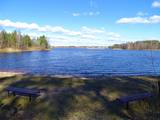 |
This was an island after the Rīga hydroelectric power plant created a reservoir, and before that it was a peninsula on the Left Bank of the Daugava. During World War I, there were massive battles between Latvian Riflemen and a much larger German army on Death Island. On December 25, 1916, the Germans used poisonous gas against the Latvian troops. In honour of this, the architect Eižens Laube designed a monument to fallen Latvian riflemen on the northern shore of Death Island. It was unveiled in 1924. Death Island can be reached by boat, and the trenches and graves there are of interest. There is a pier for boats on the north-western shore of the island, and nearby is a location for leisure. Some of the trenches and dugouts have recently been restored. The battles were described by Aleksandrs Grīns in his masterpiece, “Snowstorm of Souls.” |
|
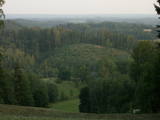 |
From the highest point in the Alūksne highlands, you will see an unusually beautiful view of the surrounding forested hillocks and the small areas of meadows and farmland. Sadly, there are no improvements to the location, which can be difficult to access. It is on private property.
|
|


