
| Nr | Nosaukums | Apraksts |
|---|---|---|
 |
"Pūpoli" atrodas Rīgas līča krastā, 50 m attālumā no jūras, īsi pirms iebraukšanas Kolkā, netālu no šosejas. Šeit ir pieejama atpūtas vieta, kā arī vieta sporta spēlēm, volejbolam. Apmeklētājiem ir iespējams redzēt kā tiek sagatavotas un kūpinātas butes, vimbas, brekši un asari un citas zivis, iegādāties tās un degustēt. Uz vietas iespējams uzvārīt arī zivju zupu. |
|
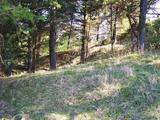 |
Гора Мицану-Киркас. Маленький замок в Приежукалне в
1792 году был преобразован в лютеранскую церковь. До сих пор
гору называют „Кирха” (нем. Kirche – церковь). Пожилые люди
говорят, что под церковью был построен большой подвал, в котором хранились драгоценности семьи
Мантейфелей и церкви, в подвале находится семейный склеп Мантейфелей.
|
|
 |
Сделанная Вами пивная кружка, подсвечник или именная чайная кружка попадет в печь вместе с работами мастера, затем будет обожжена и станет дожидаться возвращения своего автора. Покупка глиняных изделий, работа с глиной, открытие печи, экскурсия и рассказ о гончарном деле в Латгалии. |
|
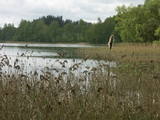 |
Vairākas salas Zvirgzdenes ezerā, uz kurām saglabājušies platlapju (ozolu, liepu) meži ar bagātīgu zemsedzes floru. Salas var redzēt no ceļiem, kas piekļaujas ezera ziemeļu un austrumu krastam. |
|
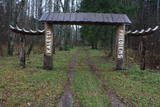 |
Kalētu muižas bijušais medību dārzs. Muižas laikos šeit ierobežotās platībās turēja meža dzīvniekus, kuru medības bija populārs muižniecības izklaides veids. Parkā uzmeklējams piemiņas akmens Krievijas imperatoram Aleksandram III, kurš šeit nošāvis briedi (irsi). No Kalētiem Latvijas teritorijā „ienāca” staltbrieži, kurus medību vajadzībām 1848. g. atveda no Vācijas. Parkā izveidotas takas un atpūtas vietas. |
|
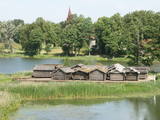 |
Реконструкция озерного жилища древних латгальцев 9-10 вв. европейского масштаба. Это - единственное место в Балтии, где посетители могут ознакомиться с условиями жизни человека более 1000 лет тому назад! Предлагаются разные тематические мероприятия. |
|
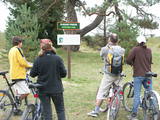 |
This is a route for hikers and bicyclists, starting at the village of Vaidava and then moving along the eastern shore of the narrow Lake Vaidava, which has steep cliffs around it. The trip covers the Veļķi baronial estate, the “Swedish pine”, the famous Vaidava (Metimne) hillfort, a series of streams, the great Rubene rock, the Vaidava baronial estate on the western shore of the lake. After that, the trail leads the visitor back to the starting point.
|
|
 3 dienas
|
The tour starts at Jaunmokas Castle estate, where you will also find the Forest Museum. The pride of the castle is its unique painted tile stove (beginning of the 20th century) made of 130 painted tiles featuring 50 different views of the cities Rīga and Jūrmala. The Forest Trails runs along smaller tracks through the Austrumkursa Uplands, the valley of the river Slocene, along Lake Sekļa and Lake Jumprava to finally reach the town of Tukums. Well, the town takes pride in its pots, planters and flower beds with blooming roses along its streets. Next, the route meanders through forests to the demanding hillock of Milzkalns and Lake Valguma, where you will find the barefoot trail and a secluded art space within the woods. The Forest Trail continues to make a stopover at the Ķemeri National Park. The park is dedicated to protection of wetlands, since it is home to one of the largest marshlands of Latvia – the Great Ķemeri bog. As to the town – Ķemeri – it is the former balneological and sulphur springs resort. The tour ends in the village of Bigauņciems, where the Forest Trail joins with the Baltic Coastal Hiking Route (E9 European long distance path). Optionally, one can take a detour along the Lake Sloka trail with its bird-watching tower or pay a visit to the “Forest House” – the visitor’s centre of the Ķemeri National Park. |
|
 |
Ģimenes uzņēmumā “Burka un ledus” audzē un pārstrādā asos piparus. Apmeklētājiem piedāvā degustācijas un ekskursiju pa ražotni. |
|
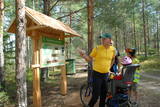 |
Laipu taka, kas izved cauri augstā tipa purvam, kura vidū iegūlis Teirumnīku purva ezers. Tā krastā atrodas labiekārtota atpūtas vieta. Izejas punktā var atgriezties pa meža ceļu. Ietilpst Lubāna mitrāja teritorijā. |
|
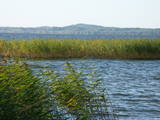 |
Ļoti ainavisks Rēzeknes – Dagdas - Krāslavas ceļa posms ~ 2 km garumā ar skatu uz Rāznas ezeru un Mākoņkalnu (gaisa līnijā attālums – 10 km) ezera pretējā pusē. |
|
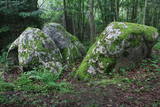 |
Ziemeļos no Viļāniem (Jaunviļānos) atrodas ar mežu apaudzis osveidīgs paugurs – t.s. Kaupra kalns, kurā virsotnē meklējams (ceļa uz Trūpiem malā izvietota norāde) minētais akmens. Trīsdaļīgā akmens, kas atrodas mežā, garums ir 4 m, platums 3 m, augstums 1,9 m. Lielākās daļas virspusē var saskatīt nelielu dobumu, tādēļ pastāv viedoklis, ka šis ir sens kultakmens. |
|
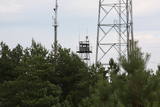 |
Bijusī Padomju armijas Pāvilostas sakarnieku daļa bija izvietota Pāvilostā pie Sakas ietekas. Pēc pieejamās informācijas objekts atrodas novada pašvaldības īpašumā, Trūkst ziņas par tā pašreizējo pielietojumu.
|
|
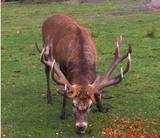 |
Pededzes upes palieņu pļavās un to apkārtnē 200 ha platībā audzē ~ 350 staltbriežus, stirnas un mežacūkas. Briežu dārza teritorijā uzcelti torņi graciozo meža dzīvnieku vērošanai. Izrakti dīķi komercmakšķerēšanai. Ekskursijas savlaicīgi saskaņojamas! |
|
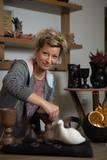 |
Viena no retajām amatniecēm, kas darba procesā neizmanto podnieka virpu, bet strādā „gliemeža” vai „desiņas” tehnikā (līdzīgi kā to darīja bronzas laikmetā), veidojot darbus, kas izceļas ne tikai ar formu daudzveidību, bet ar savu funkcionalitāti. Visi interesenti var darboties meistarklasēs. Ekskursija, cepļa atvēršana un svēpētās keramikas darbu iegāde. |
|
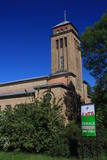 |
Dievnams celts laikā no 1937. – 1940. gadam, un par tā prototipu kalpojusi Kauņas Augšāmcelšanās baznīca Lietuvā. Ēka ir vienjoma celtne, kas veidota funkcionālisma arhitektūrai raksturīgās ģeometriskās taisnstūra formās. Tās iekšpusē ir liels koka altāris, kancele un abi sānu altāri (darināti 19. gs. sākumā), kas savulaik greznojuši Rokišķu baznīcu. No Rokišķu baznīcas tos pārveda tādēļ, ka pēdējā tika izveidots jauns interjers. 1997. g. baznīcai piešķirts Eiropas kultūras mantojuma Zilais karogs. Blakus dievnamam atrodas 19. gs. otrajā pusē no sarkanajiem ķieģeļiem celtie vecās katoļu baznīcas vārti un Sēļu parks. |
|
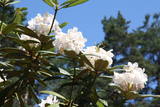 |
Kolekcijā ir 72 rododendru savvaļas sugas un 193 šķirnes.
Vienīgā specializētā rododendru audzētava Baltijā. Veic rododendru introdukcijas un selekcijas darbu, rada dekoratīvas un ziemcietīgas rododendru šķirnes, apgādā interesentus ar stādāmo materiālu. Priežu mežā 11,8 ha platībā iespējams apskatīt plašu rododendru kolekciju no visas pasaules.
Audzētavā var iepazīties ar Latvijā izaudzētām 64 ziemcietīgām rododendru šķirnēm, piemēram, „Alma Mater”, „Academia Scientiarum”, „Emeritus”, „Eduards Smiļģis”, „Dita Krenberga” u.c. (selekcionārs R. Kondratovičs), kas piemērotas audzēšanai Ziemeļeiropā.
|
|
 |
Aktīvās atpūtas parka “Godiņu Piedzīvojumu Platforma” piedāvā organizētus pārgājienus, ejot ar kājām, braucot ar velo, nūjojot, skrienot, vienam, ar draugiem, ar ģimeni, ar kolēģiem, ar četrkājaino draugu. Venlaikus ir iespēja baudīt koka flautas brīnumainās skaņas meža ielokā un pašam izgatavot savu pūšaminstrumentu. |
|
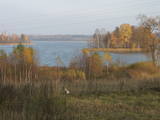 |
Ārkārtīgi ainaviska teritorija Augšzemes augstienes centrālajā daļā ar vairākiem ezeriem - Medumu, Lielo un Mazo Ilgas, Šķirsteņu un dažām mazākām ūdenstilpēm. Medumu ezera salām ir dabas lieguma statuss. Teritoriju šķērso vairāki grantēti ceļi, no kuriem dažviet paveras brīnišķīgas, bet nelabiekārtotas skatu vietas. Teritorijā atrodas Medumu katoļu baznīca. Piemērota teritorija dažādu aktīvā tūrisma veidu attīstībai. Dabas parks ietilpst Augšzemes aizsargājamo ainavu apvidū. |
|
 |
Livonijas ordeņa atbalsta punkts, kuru vietējie iedzīvotāji cēla spaidu darbos. Cietoksni iznīcināja pēc Dānijas karaļa Frederika II 1576. g. pavēles. |
|


