
| Nr | Nosaukums | Apraksts |
|---|---|---|
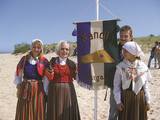 |
1387. g. dokumentā minēta kā Minor Irva. Līdz 20. gs. vidum Mazirbe bija lielākā lībiešu apdzīvotā vieta Kurzemes jūrmalā, - zvejniekciems un kuģniecības centrs. Ciemā bija baznīca, skola, aptieka, mežniecība, vairāki veikali, pasta un telegrāfa kantoris, stacija, kokzāģētava, frizētava, maiznīca, fotodarbnīca. Brauskās darbojās ķieģeļu ceplis. 20. gs. 30. g. zvejnieku kooperatīvs uzcēla zivju pārstrādes cehu. 1923. g. šeit nodibināja Līvu savienību un 1939. g. atklāja Lībiešu tautas namu. Tam iepretim atrodas Stūrīši (Taizeļu dzimtas mājas), kur var iepazīt lībiešu sadzīves priekšmetus un, pasūtot, - nodegustēt vietējos ēdienus. Mazirbē dzīvoja pirmie Līvu savienības priekšsēdētāji – Kārlis Stalte un Mārtiņš Lepste. Kultūras darbinieks Kārlis Stalte (1870 - 1978) bija ilggadējs Mazirbes ķesteris un ērģelnieks, bet Mārtiņš Lepste - lībiešu valodas skolotājs 20. gs. 30. gados. No ārpuses apskatāma bijusī Jūrskolas ēka, kurā laikā no 1894. – 1914. g. izglītību ieguva ~ 2000 studentu. Padomju gados te atradās armijas postenis - zastava. |
|
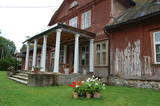 |
Muzejs atrodas Ūe - Varblas muižas ēkā. Tas vēsta par apkārtnes dzīvi pagājušā gadsimta pirmajā pusē un Varblas pagasta vēsturi. Muzejā ir ierīkota arī rokdarbu istaba. Muižas graudu klētī var aplūkot senus darbarīkus un lauksaimniecības mašīnas. Ievērības cienīga ir agrīnā klasicisma stilā 1797. gadā no koka celtā galvenā muižas ēka. Katru gadu jūlijā šeit notiek tradicionālais rokdarbu gadatirgus. |
|
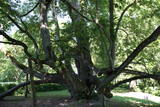 |
Latvijas lielākā parastā liepa (Tilia cordata). Daļa no varenajiem žuburiem ir atbalstīti. Stumbrā lieli dobumi, kas aizklāti, lai novērstu ūdens iekļūšanu un ātrāku trupēšanas procesu. Tāpat kā daudzi citi šāda izmēra koki – sena svētvieta.
|
|
 |
Krodziņš "Glendeloka" atrodas Cēsu – Valmieras ceļa malā. Izvietots guļbaļķu ēkā, latviskā stilā. Dārzeņus un augļus iegādājas no vietējiem zemniekiem. Latviešu virtuve: Plānās un kartupeļu pankūkas, aukstā zupa, meža sēņu zupa, skābeņu zupa „Vecmāmiņas gaumē”, bukstiņputra, pelēkie zirņi, ceptas reņģes, mencas fileja, Brenguļu alū šmorēta liellopa gaļa, šmorēts trusis, rupjmaizes kārtojums. Īpašais ēdiens: „Glendeloka”. |
|
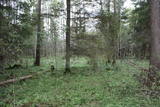 |
Viena no retajām vietām Latvijā, kur savvaļā aug divas retas un aizsargājamas augu sugas – parastā īve un Baltijas efeja (sk. arī Rucavas īvju audzi). Teritorija nav labiekārtota un piemērota apskatei kā tūrisma objekts, kā arī dabā nav atpazīstamas tās robežas (nav informatīvo zīmju), tādēļ apmeklētājs bez botāniskām zināšanām šeit redzēs tikai „parastu” mežu. Austrumos no lieguma vairāku kilometru garumā stiepjas neliels valnis – bijušā šaursliežu dzelzceļa (600 mm, 41 km garš) līnija Dubeņi – Rucava, ko Pirmā Pasaules kara laikā būvēja vācu armija ar mērķi – izvest kokmeteriālus. |
|
 1 day
|
This outing combines fine dining at one of the most beautiful estates in Latvia with an outdoor experience at a cranberry plantation tasting cranberry-based products. The Bīriņi Castle complex is part of Latvia’s national architectural heritage. The Neo-Gothic main castle building is surrounded by a picturesque park and buildings including the stables and the water tower, which showcase the country’s industrial heritage. The castle hotel is a very popular venue for wedding celebrations. The cranberry plantation in Laugas swamp at Gundegas Farm was started in 1989 as a research farm. Cranberries are well known for their refreshing taste and medicinal qualities. They are used both for culinary purposes and in traditional medicine. Today six types of cranberries are grown in Latvia. The cranberry plantation offers the opportunity for guests to ‘pick-your-own’ during the harvest in September. |
|
 6 days
|
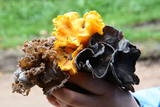
This is for people who enjoy forests, wildlife, local traditions and has a specific interest in the different species of funghi. Everyone could try their hand at mushrooming, identification and by the end of the day together with guide sort out the collected mushrooms. The tour passes several national parks and late back villages. The group will also visit to one of shitake mushroom growers for comparison reasons. |
|
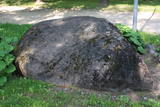 |
Atrodas Kalēju ielas malā. Savu popularitāti ieguvis ar nostāstu, ka Ziemeļu kara laikā pie tā pusdienojis Krievijas cars Pēteris I un Polijas valdnieks Augusts (Stiprais). |
|
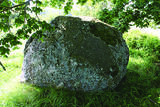 |
The great Black Plague rock, which has engraved text that can still be seen
to a certain extent – it tells future generations about the local pastor who died
from the plague, about how the parsonage was established at Sīkrags and then
moved to Mazirbe. The rock is also a monument to six pastors of the nearby
congregations. All the three stones tell about the horrors of the Black Plague in
1710, the texts have been engraved during the parson Peterson in 1711-1734.
|
|
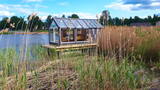 |
Million star hotel ir videi draudzīgi namiņi, kas atrodas uz pontoniem Viļakas ezera krastā un aprīkoti ar visu nepieciešamo patīkamai atpūtai. Iespējams izvēlēties klasiskā jumta bungalo ar vinila plašu atskaņotāju vai stikla jumta bungalo, kas piedāvā zvaigžņu vērošanu caur teleskopu. Pieejama e-velosipēdu, SUP dēļu, laivu un velosipēdu noma, iespējams izbaudīt arī pirti. |
|
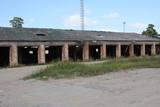 |
In Soviet years, Ventspils was the site of tank training. The facility has been degraded, and only the former tank repair facility and some outbuildings are still being used. The rest of the territory is not used or guarded any more.
|
|
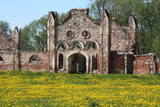 |
The Preiļi Estate is in the southern part of Preiļi. During the Soviet era, the mansion was home to a variety of institutions. A fire burned much of the upper part of the building in 1978. The mansion was never restored, and it can only be viewed from the outside. Around it, however, is one of Latvia’s most outstanding landscape parks (mid-19th century). Irēna Kjarkuža offers interesting tours of the state, with interesting legends and songs in the Lettigalian language. |
|
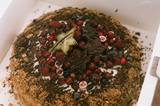 |
Contact her in advance, and the landlady here will bake various cakes, pastries, carrot buns and pierogi with various fillings. You can also order smoked fish. |
|
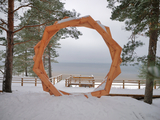 |
A new section of the walking trail along the sea has been built and an environmental object "Sunset watcher" has been created in Saulkrasti near the White Dune and Sunset Trail. It is a photo object where the newlyweds and every guest of Saulkrasti can capture memories in the symbol of the sun, which is so characteristic of Saulkrasti. |
|
 |
The open kitchen of the restaurant allows the guests to experience an exciting performance by its chefs, who cook various fish and meat dishes on a fiery charcoal grill. Chef: Lauris Aleksejevs. Three-time consecutive winner of the Best Restaurant in Jūrmala title. |
|
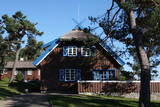 |
Ein zweistöckiges Holzhaus auf dem Uošvės-Hügel mit wunderschönem Blick aufs Haff. Hier hat drei Sommer der Träger des Nobelpreises, deutscher Schriftsteller Thomas Mann (1875 – 1955) verbracht. |
|
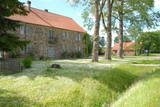 |
On the way to Turaida you must definitely stop at Gutmana cave. It is the widest (12 m) high (10 m) and in terms of volume - one of the biggest Latvian caves (cave like niche), which is also an important cultural and historical site, place rich with stories (most popular of Turaida Rose), surrounded by ancient walls and ceiling inscriptions (oldest from the end of 17th century). A spring originates from the cave; it is believed that it has healing properties. Turaida Museum reserve with Batlic scale outstanding monuments whose history stretches over 1000 years in the distant past is located at the point where the right mainland of Gauja valley is split by deep ravines of several small streams. Their exploration can be started with Turaida manor (first mentioned in 16th century), which is an outstanding example of Vidzeme manors. 21 buildings, built between the 18th century until the beginning 20th century are preserved until now. Visitors can see the manor stables, coach house, sauna, forge, fish cellar, barn, foreman house, the old residential buildings of landlord, and residential building of manor servants, oust house, etc. While walking in Turaida direction, we will reach the grave of Turaida Rose, which relates with the legend of Turaida Maija, who sacrificed her life for love. Near the grave grows a great linden tree (poor condition), wich is believed to be planted on the grave of Maija. Turaida Lutheran Church that lies further is the third church in a row and one of the oldest (1750) Latvian wooden churches – single volume wood log building with a baroque tower. Here you can see the altar and pulpit (Middle of the 18th century), altarpiece "Golgotha" (end of the 17th century – beginning of the 18th century) and historical exposition. Tautasdziesmu (folksongs) Park stretches at the Dainu Hill, the development of which started in 1985, noting the 150th anniversary of father of Latvian folk songs – Krisjanis Barons. More than 26 stone sculptures created by the sculptor I. Ranka are exhibited here. This is also a place of annual folklore events. Before the construction of Turaida stone castle (started in 1214), wooden Liv castle stood here. Turaida castle belonged to the Bishop. It existed for a long time - until to the 1776 when it was burned down. In 1953 an extensive restoration works was started here; upper storey of main tower, barn building (exposition on Sigulda district), semi-circular tower and castle complex in the southern enclosure was restored. Now the museum exhibition is established at the castle premises, which tells about the historical events in the surroundings. |
|
 |
Here you will find some 30 types of birds and animals, including cranes, pheasants, swans, pygmy sheep, pygmy pigs, kangaroos, squirrels, etc. You can take a tour and learn about the animals, or walk through the garden on your own. You can also purchase rare and exotic plants from the farm’s garden. |
|
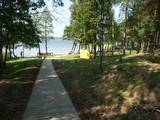 |
There is a small and relatively hard to reach area on the western shore of Lake Būšnieks which has been restricted to protect swamp habitats and several protected plants. Boat base is on the northern shore of the lake offers boat rental. From the plank-way good sites of eutrophic part of Lake Būšnieks can be seen. A well-appointed recreational facility (not included in the restricted area) is on the opposite shore of the lake. |
|
 |
The farm produces tomatoes, cucumbers, strawberries, grey peas, herbs, pumpkins and cabbages, and it also has a group of chickens which spend their time outdoors. The farm’s products are available for purchase. |
|


