
| No | Name | Description |
|---|---|---|
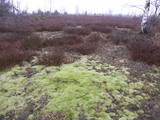 |
Baltijas mērogā unikāls dabas un cilvēkizmantots apvidus, kas veidojies kādreiz - padomju, mūsdienās - Latvijas Nacionālo bruņoto spēku pārvaldītā armijas poligona teritorijā. Poligona lielāko daļu aizņem smilšains vai ar zemiem lakstaugiem un krūmāju apaudzis kāpu masīvs ar atsevišķiem lielākiem kāpu vaļņiem. Rudens laikā šeit lielās platībās zied virši. Unikālā virsāju un aprimušo kāpu ainava un daudzu sugu dzīves vieta bija daži no iemesliem, kādēļ šai militārai teritorijai ir piešķirts arī aizsargājamas dabas teritorijas statuss. Jāatgādina, ka poligona apmeklējumi privātpersonām bez iepriekšēja saskaņojuma ir aizliegti!
|
|
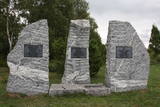 |
Eine der größten befestigten Siedlungen im Bezirk Harju, befindert sich auf einer Erhebung des natürlichen Kliffs Nordestlands. |
|
 |
No ūdens tūrisma attīstības centra „Bāka” skatu laukuma, kas atrodas Lubāna ezera ziemeļdaļā pie V 560 autoceļa, paveras viens no labākajiem Lubānas ezera skatiem. Redzams milzīgais Latvijas lielākā ezera klajs un Kvāpānu – Īdeņas zivju dīķu ar dambjiem ainava. |
|
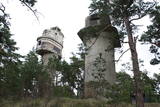 |
This battery is easiest to find if you walk on the beach, because one of its four positions is right there, rinsed by the waves of the sea. Other positions, including a telescope tower, are in the pine forest not far from the coast. The battery was installed in the 1940s, and you can see the Northern Forts from here.
|
|
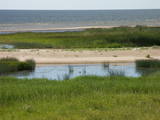 |
After a big storm in 2005, the nature trail of the Randu meadows was restored. It is about 4 km long, and there is a bird-watching tower which offers a fine view of unique shoreline meadows with small lagoons and areas of reeds. It is a fine place to watch migrating birds. This is part of the Northern Vidzeme Biosphere Reserve (ZBR).
|
|
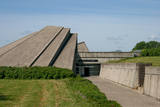 |
Ein am Ende des 19. Jh. gebautes Teil der Festung. Ein Museum, das Verbrechen totalitäre Regimes gegen Menschlichkeit wiederspiegelt. |
|
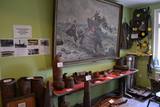 |
The museum opened in 2007 and displays a 180 mm gun barrel, reconstruction of a Soviet restricted border zone, a civil defence shelter, armoured vehicles, a border guard boat and naval mines. Exhibited in the main building are a maritime surveillance radar in its original position, various military items, “Lenin´s corner” and weapons and barracks rooms. |
|
 2 days
|
Gauja ir Latvijas populārākā ūdenstūristu upe. Laivotājus šeit vilina skaistie smilšakmens atsegumi, upes mierīgais tecējums, dabas un lielā kultūras pieminekļu daudzveidība. Minētajā posmā upe plūst cauri Gaujas senlejai, kas ir viena no iespaidīgākajām Baltijas reljefa formām. Maršruta tehniski sarežģītākā vieta ir Ķūķu krāces, kur nereti gadās pa kādai apgāztai laivai. Lielākais upes kritums ir posmā no Amatas ietekas līdz Līgatnei, tādēļ daudzi braucēji izvēlas Cēsu – Līgatnes posmu. |
|
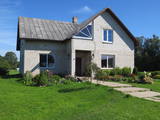 |
The creativity of this farm woman is seen in the preparation of various country goodies – cheese, baked cheese sticks, etc. The farm is biologically certified and uses its own produce. Tastings and purchases are offered, as are tours for groups of 10 people or more. |
|
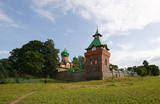 |
Pühtittsa Convent at Kuremäe was established in 1891 and is the only operating Russian Orthodox nunnery in Estonia. Centuries ago there was a sacred grove on Kuremäe hill and a sacrificial spring at its foot, the spring is considered “holy“ for its curative powers. The convent compound is open to visitors; guided tours run by nuns can be booked to learn more about the daily life of convent residents. |
|
 |
The large farm is to the South of the centre of Lone, producing apples, pears, plums, cherries, strawberries and black currants. It stores apples during the whole winter. You can help to pick the fruit and berries and purchase them for yourself. |
|
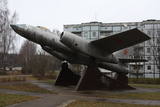 |
A rare monument survives in Skulte – a Soviet-era jet bomber, the IL-28, which supposedly was equipped to carry winged missiles. The airplane is on three cement pedestals.
|
|
 |
The restaurant-cafe Moka is situated in Estonia, in the city of Tartu, not far from Tartu university and offers a wide variety of foods. |
|
 |
The zenith missile brigade and its communications headquarters were used for the provision, planning and co-ordination of radio communications. The object is all but abandoned, but it is owned by the Latvian Repatriation Centre and the Christian Mission.
|
|
 3 days
|
Во время путешествия Вы осмотрите знаменитую Гору Крестов, Старый Каунас. Со смотровых площадок или во время прогулки на кораблике Вы увидите живописные излучины реки Неман. В курортном городе Друскининкай Вы посетите Парк Грутас со скульптурами и памятниками советского периода, переживете ушедшие „советские времена”. Сможете на велосипеде прокатиться по Национальному парку Джукия – одной из нетронутой природной территории Балтии. Вечером можете насладиться SPA процедурами по Вашему желанию и отдохнуть в Друскининкайском аквапарке. |
|
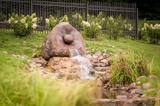 |
Lielbātas dabīgais dzidravots ir lielākais Latvijā un viens no retajiem Ziemeļeiropā, kas zemes virspusē no dzīlēm iznes bioloģiski aktīvu un pareizi strukturētu ūdeni. Lielbātas dzidravots tek no rietumiem uz austrumiem pretī saulei, tāpēc jau izsenis tiek uzskatīts par maģisku, pat svētu, kam piemīt dziednieciskas spējas. Vēstures materiālos Lielbātas avots pirmo reizi pieminēts 1253. gadā un līdz šim brīdim turpina savu plūdumu. Lielbātas avots atrodas sakoptā un ekoloģiski tīrā vidē. Laikam ritot, avota ūdens plūsma nav mazinājusies, bet tieši pretēji, tā ir pieņēmusies spēkā un ar apbrīnojamu jaudu avots turpina dot unikālu dabas velti – tīru, bioloģiski aktīvu, pareizi strukturētu ūdeni, neapstājoties ne dienu, ne nakti, ne ziemu, ne vasaru. Netālu no avota atrodas vēsturiskā Vaiņodes jeb Lielbātas pils, kuru 19. gs. vidū būvēja barons Osten Sakens. Vēstures liecības liecina, ka šī vieta pils būvniecībai nav izvēlēta nejauši. 1923. gadā pilī tika izveidota sanatorija, kas ne tikai bija priekšzīmīgākā Latvijā, bet varēja cienīgi līdzināties ārzemju sanatorijām. Tam par iemeslu bija dabiski tīrā un dziednieciskā vide, kas saglabājusies līdz pat mūsdienām. Lielbātas pils ir privātīpašums un apmeklētājiem nav pieejama, taču Lielbātas avots ir brīvi pieejams, un katram ir iespējams nogaršot avota ūdeni. Adrese: Vaiņodes pils, Vaiņodes pagasts, Dienvidkurzemes novads LV-3535 |
|
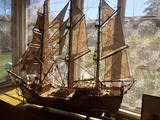 |
Laimonis and Ilga Veidemanis lived in Roja 20 or 30 years ago. They were deaf and loved to produce models of sailing ships of various sizes. This was based on a dream about the big ships of their ancestors and the wide seas upon which the couple could not sail. The models are very precise, designed with much care and love. The couple never learned the secrets of ship models, but their collection has been inherited by Laimonis’ granddaughter, who wants to display the wonderful collection and her grandfather’s careful work to the public. The hostess welcomes visitors and tells her story about how the models were produced. (Source: Roja TIC) |
|
 |
Iespēja atpūsties un relaksēties pirtiņā, baudot latviskos pirts rituālus. Sildīšanās un pēršanās ar pirtsslotām, augu skrubji un maskas, kāju vanniņas un zāļu tējas. Pēc pēriena – veldze dīķī. Pirts tā ir svētnīca miesai, garam un dvēselei. Piedāvājumā arī izglītojošā programma par augu spēku un to izmantošanu savai labsajūtai. Apmeklējums noteikti iepriekš jāpiesaka! Vietu skaits ierobežots! |
|
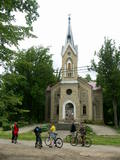 |
18 A. Upīša Street. The church was built in 1897 in the Neo-Gothic style (Architect H. Shel) and it is one of the few19th century city brick buildings. In the church there is the altarpiece "Christ healing the sick" - I. Zeberliņš (1943). You can see the church from the inside during the worship or by a prior arrangement. Near the church, you can see a monument designed by E. Laube (1926) to 80 Latvian riflemen who died in World War I and who were buried in the Warrior's Cemetery near the river Vēršupīte. Near the cemetery, there are also buried J. Kārkliņš and F. Siliņš, fighters of the Kauguri Battle of May 18, 1919. By a prior arrangement, tourist groups can see the church from the inside. |
|
 |
The farm breeds fallow deer and trout, grows vegetables and fruit. Visitors can see the deer and wild boar, taste berries and fruits directly from the garden, participate in creative workshops and cooking master classes called "Izgaršo dzīvi". The hostess combines the regional culinary heritage traditions of Kurzeme region and contemporary cuisine. The food is prepared on live fire, using the deer, trout and vegetables from the farm. The host is a winemaker who makes every bottle with great care. Guests can enjoy tastings and stories in the romantic wine cellar. |
|


