
| No | Name | Description |
|---|---|---|
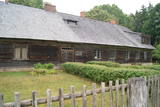 |
The Kubalu school was opened in 1843, and for 28 years it was the only school for the children of peasants at the Dundaga Estate. This is the oldest log schoolhouse in
|
|
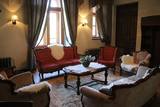 |
The castle was built as an almost exact copy of the architecture of Windsor Castle in the UK and is among the most unusual of the Estonian manor buildings. At least as interesting is the owner and initiator of the manor building design - Count Friedrich von Berg. There is also a Dendro park with rare species behind the Castle. |
|
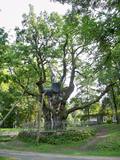 |
This park dates back to the mid-18th century and is to the south of Lake Stelmuže. There are winding trails on all sides of the hillock that lead to the Christ the King Church, with linden, maple, oak, birch, fir, elm and pine trees. At the foot of the hillock is the Laime stream, and visitors are welcome to stroll along the alley of oak trees. The oldest and fattest oak tree in Lithuania is one of the oldest ones in Europe. It is though that it is 1,500 to 2,000 ears old, and its record-setting diameter is 3.5 metres (eight or nine people linking hands are needed to encircle it). The tree is 23 m high. |
|
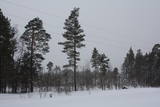 |
Between Saunags and Vaide on the road to Kolka, you will see an area on the left (South) side of the road where there was a massive forest fire in 1992 which burned approximately 3,300 hectares of forest. Biologists use the area to study the regeneration of the forest. There were extensive and destructive fires here during the early 20th century, as well. Swedish scientists say that there have been at least 15 fires in the forests of Šlītere over the last several centuries. The burned area is in a nature reserve and can only be viewed from the road. |
|
 |
There is a memorial to the victims of World War I on the side of the Klapkalnciems-Tukums road. |
|
 |
The MIKO bakery bakes more than 100 types of products according to its special recipes, including cakes, pies, eclairs, and biscuits. |
|
 |
The saloon is in the historical centre of Līgatne, alongside a pond, and in a building that was once home to the first Līgatne paper factory. Latvian cuisine: Vidzeme stroganoff, grilled Kolka herring, grilled pork, Amata trout, potato pancakes with cream, pancakes with jam, beer, kvass. Special foods: A special dessert. |
|
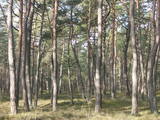 |
Ap 100 gadus veca priežu audze, ko iesēja pagājušā gadsimta sākumā. Sēklu materiāls bija nācis no kādas Vācijas (Darmštatē) sēklu tirdzniecības firmas. Mūsu klimatiskajos apstākļos priežu stumbri izauga līki un kroplīgi. Savdabīgā audze labi redzama no šosejas malas.
|
|
 |
Until 1724, the Cecina semi-estate belonged to the Hilsen dynasty. When daughter Jadviga married Jans Šadurskis, the estate was recorded as the Malnava Estate in 1774. Ownership of the estate changed hands several times. The mansion is built in the style of Classicism with Baroque elements. The granary is on one side of the yard, while the mansion is on the other side. During agrarian reforms in the 1920s, the estate was one of the largest ones in Latvia, covering 12,400 ha. The mansion was damaged during World War Ii, and the original interior design was lost during reconstruction. Among other buildings, the granary, built in the style of Classicism during the first half of the 19th century, has been preserved, as have several other buildings. The park of the estate has exotic bushes and trees, as well as two cement bunkers, one of which was briefly visited by Adolf Hitler. The estate also has a vodka distillation facility where you will learn all about the process from antiquity to the present day. |
|
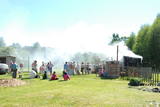 |
Visitors can help to smoke fish, including plaice, bream and garfish, taste the resulting food and listen to stories about seashore fishing traditions. The homestead also features some 20 type of shoreline fencing that are typical of the so-called Liv Shore. |
|
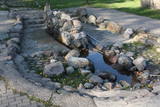 |
Atrodas 0,1 km austrumos no katoļu bazilikas. Jau no 1825. g. Svētavota ūdeni izmantoja dziednieciskiem mērķiem. Līdz 19. gs. 40. gadiem avota ūdens īpašības bija izslavētas tāpat kā Aglonas Dievmātes svētbildes brīnumdarītājas spējas. Tās savulaikapstiprinājusi Viļņas ārstu komisija un Pēterpils akadēmija, taču ap 1840. g. avots savas īpašības esot zaudējis. Tomēr arī mūsdienās svētceļnieki joprojām tic avota spēkam. |
|
 |
The café is located 1.5 kilometres from the Ķegums hydropower plant. Home-grown ingredients are used to produce berry sauces, pumpkin, and marinated cornichons in brine. Latvian cuisine: Cold soup, pork in mustard, crepes. Special foods: Crème of cottage cheese with stewed berries. |
|
 11 days
|
This tour of the Forest Trail covers the national parks of Dzūkija and Žemaitija and the Nemunas Loops Regional Park in Lithuania. The starting point of the route is Druskininkai, a popular SPA and mineral water resort on the banks of the river Nemunas. Here, we recommend dipping yourself in mineral water baths, enjoying the trip with the cable car over the river Nemunas, visiting the musical fountain, and walking along the river promenade. For the next two days from Druskininkai, the Forest Trail passes through the Dzūkija National Park to the town of Merkinė. In this most forested and unpopulated region in Lithuania you can enjoy hiking along solitary forest roads, visit ancient mounds and ethnographic villages, where the traditions of bee-keeping, crafts, mushrooms and berry harvesting are still kept alive. You will then head to Birštonas, one of the key resorts in Lithuania with its valuable mineral waters. The town finds itself in the Nemunas Loops Regional Park, which includes four large and one smaller loops of the river. The Forest Trail stretches from Birštonas through the entire Nemunas Loops Regional Park up till the town of Prienai. Next, hikers will get to Kaunas, the second largest city in Lithuania and its former capital city. Kaunas is notable for its modernist architecture. The catchment area of the river Nemunas and the river Neris is situated here. Heading on, from Lampėdžiai to Vilkija, the Forest Trail runs for two days along trails and small countryside gravel roads next to the right bank of the river Nemunas, also crossing resort territory of Kulautuva. This section is characteristic of beautiful riverscapes, waterfront meadows and small villages. For the final section, first you must get to the Žemaitija National Park, where the Forest Trail runs around the Lake Plateliai, which is the largest lake in the historic Samogitian region. Old pine and fir forests and mixed forests are among the most precious natural values of |
|
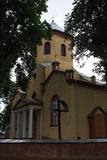 |
Atrodas Līvānu ziemeļdaļā, Baznīcas ielā 17. Dievnams uzbūvēts 1861. g. un paplašināts 1880. gadā. Pēc nopostīšanas 1. pasaules kara laikā to atjaunoja 1918. gadā. No interjera ievērības cienīgas ir ērģeles (uzstādītas 1936. g.), glezna „Svētais Jānis Kristītājs” (mākslinieks Šēnbergs) un 14 Krusta ceļa gleznas, kas ir vācu mākslinieka Fogela gleznu kopijas (19. gs. pirmā puse). Kopš 20. gadsimta sākuma bez izmaiņām ir saglabājies tikai Ostrabramas Dievmātes altāris ēkas labajā pusē. 2007. gadā nokrāsoja dievnama fasādi. Šo darbu laikā, no ēkas sienas izņēma nesprāgušu artilērijas lādiņu, kas bija iestrēdzis 1. pasaules kara laikā. |
|
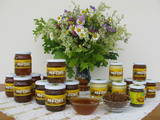 |
This farm has some 150 hives of bees which are carefully tended by beekeepers. The farm also produces nectar plats such as buckwheat, clover and phacelia. You will learn all about beekeeping and taste and purchase beekeeping products. |
|
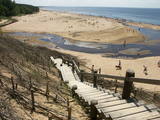 |
The White Dune is one of the landmarks of Saulkrasti, on the Vidzeme gulf coast. The dune offers a splendid view of the sea, the mouth of the Inčupe River and the vast beach. The White Dune formed as the wind drove beach sand over the clay silt of Baltic Ice Lake. Its white 18 meters high sand outcrop once helped local fishermen find their way home. The dune got its name from its white, hardened layers of sand which look like sandstone. |
|
 |
Mežvidi (SIA Latgale Vegetable Logistics) began operations in 2007 and sells tasty and healthy red tomatoes. The owners plan to grow and deliver tomatoes during the winter, when people have the greatest need for healthy and vitamin-rich vegetables. The farm helps to facilitate co-operation among people who farm vegetables, and it informs the public about how tomatoes are grown. |
|
 2 days
|
The legendary blue hills of Šlītere have been known since ancient days, when pirates lit false campfires that led ships to run aground near Cape Kolka. The shoreline in the Slītere National Park is known as the open-air geological museum of the Baltic Sea, because the ancient shores of the Baltic ice sea, Lake Ancylus, and dunes from Littorina Sea can be seen here. These offer a fine view of the history of the Baltic Sea. The territory was historically populated by the Liv people, and their fishing villages are a cultural environment of one of the smallest ethnic minorities in the world. The route between Kolka and Mazirbe goes down the old shore road that passes through Liv villages. The Slītere National Park has one of the greatest amounts of plants in Latvia, while Cape Kolka is one of the country’s most popular bird watching sites. Route information from Latvijas Lauku forums |
|
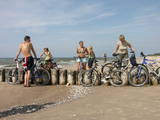 |
The most important aspects of this park are a shallow lagoon-type lake – Lake Pape, with its flood land meadows, the shore of the Baltic Sea, the Nida swamp, and the more than 270 different types of birds that have been spotted here. The oldest bird ringing station in Latvia (est. 1966) is found between Lake Pape and the Baltic Sea. Birds and bats are caught and ringed there. Lake Pape is the first place in Latvia where so-called “wild” horses (the “Konik” breed) were released with the aim of managing the flood land meadows.
|
|
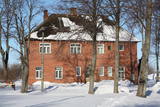 |
Name of Ainazi is an integral part of the Latvian maritime history. The first Naval School, which was able to learn the Latvian peasant children, was established here in 1864. Naturally - Ainazi became an important Latvian coastal shipbuilding centre and port. Economic life of the town was also facilitated by the opening of Smiltene -Valmiera-Ainazi narrow-gauge railway line in1913. Today Ainazi is a small and quiet town on the Latvian - Estonian border with a number of interesting sightseeing objects. |
|


