
| No | Name | Description |
|---|---|---|
 1 day
|
Dodieties ekskursijā, lai gūtu ieskatu lauku profesijā un dzīvesveidā, kā arī iegūtu jaunus iespaidus un labu atpūtu visai klasei. Ekskursijas sākumā apmeklējiet savvaļas dzīvnieku parku, kura voljēros dzīvo ~ 200 dambriežu. Tālāk dodieties uz saimniecību, kur aug vairāk nekā 100 augu sugu un šķirņu - ekskursija pa saimniecību, augu stādu iegāde, tēju, augļu un ogu degustācijas. Pēc tam apmeklējiet Skrīveru pārtikas kombinātu, kurā iespējams iegādāties gardās Gotiņkonfektes un doties ekskursijā. Brauciena noslēgumā - Skrīveru mājas saldējums ar stāstījumu par saldējuma gatavošanu un degustāciju. |
|
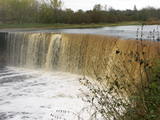 |
This is one of the greatest waterfalls in the Baltic States – 8 m high and up to 70 m wide. It is most impressive in the spring and after strong rains. The waterfall and its ~300 m canyon emerged from the limestone of the Ordovician Period. You may spot some fossils there. When the water is low, courageous people try to ford the river both above and below the waterfall. The limestone and the falling water have established a unique “tunnel” there.
|
|
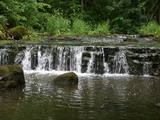 |
The ancient Abava River Valley between Kandava and the place where the river flows into the Venta River is the most expressive river valley segment in Kurzeme in terms of landscape and terrain. The valley is 30 to 40 metres deep and as much as 300 metres wide. The territory is distinguished by great diversity of a biological nature (more than 800 kinds of plants), featuring many different biotopes and natural monuments such as streams, waterfalls, cliffs, huge rocks, and many cultural and historical monumentssmall towns such as Kandava and Sabile. In both cases, the town centres are national monuments of urban construction. Popular tourist destinations include Vīnakalns hill in Sabile, where wine-making grapes are grown, as well as the open-air art museum at Pedvāle. To protect cultural treasures, a cultural and historical territory, “Abava River Valley” has been established. Wild livestock live at Drubazas and Tēvkalni to “maintain” the landscape. There are nature trails for tourists, and the Abava is the most popular river for water tourists in Kurzeme. Information is available at the tourist information centres in Kandava and Sabile. such as castle hills, churches, ancient burial grounds, and
|
|
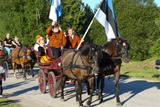 |
Tihuse farm provides accommodation and horse riding from trekking to carriage rides. A signposted heritage trail starts at the farm and tells the story of people and Nature; you can also learn about old beliefs and customs. The teahouse exhibits photos of places linked to Muhu island’s heritage. |
|
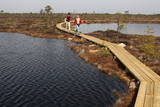 |
The word “Soomaa” means “land of the swamps” in Estonian. There are several major swamps in this area, along with rivers, lowland meadows, wetland forests, and other biotopes that are of key importance in terms of the diversity of species. Major floods occur here in the spring, which is known by locals as the “fifth season''. The fifth season is the best time to explore the landscape of Soomaa. |
|
 1 day
|
Dodieties ekskursijā, lai gūtu ieskatu lauku profesijā un dzīvesveidā, kā arī iegūtu jaunus iespaidus un labu atpūtu visai klasei. Ekskursijas laikā apskatiet līdz 16 m augsto stāvkrastu ar gana iespaidīgiem skatiem. Pēc tam apmeklējiet lauku maizes ceptuvi, kur iespējams izveidot un izcept pašiem savu kukulīti. Ekskursijas noslēgumā dodieties uz pili, kas pazīstama ar stāstiem par spokiem, par rūķīšu kāzām un citiem nostāstiem. Pils parkā apskatāma Mīlestības aleja un Rūķīšu ozola vieta. |
|
 |
The Eversmuiža Estate is in the centre of Cibla and is dominated by a 1680 mansion that was built in the style of Classicism and was rebuilt several times later. There is a home for servants, a gatehouse and ancillary buildings that are in poor shape. A stone wall surrounds the park of the estate. Since the 17th century and for nearly two centuries, the estate belonged to an aristocratic Polish family, after it was owned by various others. Today the mansion houses a boarding school and the Cibla Regional Research Museum, which offers tours. A cultural and historical trail runs along the banks of the Ilža River. |
|
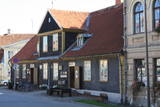 |
Painted in dark colours, this building dates back to the 17th century (the square around it is cited in documents). The city’s first prison was in the cellar of the building, and the square was historically a place for residents of the city could gather and suffer punishments. A pole of shame was at the south-eastern corner of the square. The building now houses the Kuldīga Tourism Information Centre and a workshop for weavers. Visitors can purchase products and souvenirs from Kurzeme and watch weavers at work. |
|
 |
The "Magdalena" café is in the centre of Saldus. Latvian cuisine: Sauerkraut, dumpling, beet, sorrel and cold kefir soup, potato pancakes, crepes, sautéed pork ribs, homemade steak haché, farmers’ treats, oatmeal cream, stacked oatmeal or rye bread. |
|
 |
Piedāvā ļoti gardus Lietuviešu tradicionālos ēdienus. Var pieņemt līdz 80 personām. Pieņem bankas kartes, pieejama autostāvvieta. |
|
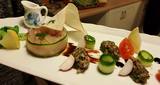 |
The restaurant is in the “old school” of Ungurmuiža. Together with the nobleman’s estate and park, this makes up a unique cultural and historical monument. Latvian cuisine: Potato pancakes with cured meet and loganberry jam, chanterelles soup, vegetable soup, porridge with meat, Brasla trout, roast pork with rhubarb sauce, manna, desserts with berry sauce. |
|
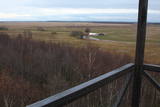 |
Suitsu tornis celts 1979. g. kā pirmais Matsalu rezervāta metāla tornis. To atjaunoja 1998. g. Torņa augstums ir 21 m, tādēļ no tā paveras izcila dabas un kultūrainava uz Kazari deltas niedrājiem un blakus esošo Suitsu upi (Suitsu jõgi), kuras krastā ir uzceltas vairākas zvejnieku laivu būdas. |
|
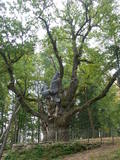 |
This is the thickest English oak (Quercus robur) in Lithuania, with a circumference of 9.4 m (as opposed to the Kaive oak in Latvia, which has a circumference of 10.18 m).
|
|
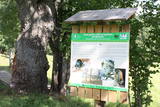 |
Interesanta dabas izziņas taka, kurā izvietoti informatīvie stendi, kas stāsta par dažādiem pļavu biotopiem – sausām, palieņu un parkveida ozolu pļavām un tās iemītniekiem. Pļavas nogana dzīvei savvaļā pielāgotie mājlopi. |
|
 |
The pizzeria is situated in Talsi, not far from Talsu lake. Stender’s pizzeria with its nice comfortable setting offers special Stender’s pizzas which are baked according to the old traditions of pizza-making, incorporating the best of nowadays’ recognitions. Undoubtedly, it is impossible to do without pancakes and pots, as well as second-course dishes. Number of seating places:30 |
|
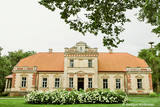 |
The Jakiškiu Estate was first mentioned in documents in the late 16th century. The estate had elements of Classicism in terms of its architecture. Among the buildings, the only ones that have survived are the mansion, an ice cellar and a steam-driven windmill. The estate has not been restored, so it is still authentic. Its artistic soul is preserved by various objects that remain from the time when people lived at the estate and from the Soviet era. Alongside the estate are a few fragments of a park, which covers approximately 2 ha. There is an ancient alley of linden trees that are on both sides of the entrance road, as well as several other valuable types of trees and a small pond. |
|
 |
You can visit a restored little wooden building to watch and take part in the process of weaving. Natural materials are used to produce lovely souvenirs and useful household products. There are nine looms, and you will hear information about weaving as such. The workshop produces woven scarves which are coloured with natural dyes. |
|
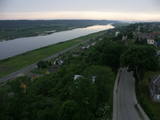 |
This park covers the Nemuna River valley between the villages of Seredžius and Geldaudišķis, with lovely views of castle hills, medieval castles, aristocratic estates, etc., along the shores.
|
|
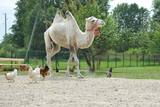 |
A park of exotic animals in Dundaga features alpacas, llamas, ostriches, a camel, a blue cow, etc. |
|
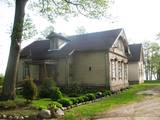 |
The cosy land road along the sea is 1 km long, and it offers a look at the wonderful aspects of the village. To the right are rocks from the sea, as well as miniature flower gardens on the seashore with tempting benches and overturned boats. On the side of the shore is the Kaltene library, which is more than 100 years ago. It was initially a summer home for Baron Nolken, and it was built in 1899. Later it was rebuilt several times and took on new roles. An elementary school was installed here in 1926, after which it became a club and then, in 1992, a primary school once again. The path runs along beautiful seashore homesteads, among which one can find the former homes of old fishermen and ship builders such as Burliņi. At one time, the Žulnieki portage at Smilgas was the site of the kiln of blacksmith Pēteris Valdemārs. He was the main blacksmith for ships between Kaltene and Upesgrīve. (Source: Roja TIC) |
|


