
| No | Name | Description |
|---|---|---|
 |
The restaurant is in the Grand Hall of the restored Liepupe Estate. Ancient cooking traditions are merged with modern culinary methods. The restaurant works with local farmers and grows greens and herbs in its own garden. Guests are welcome to help with preparing foods on a wood-fired stove in the antique kitchen. Latvian cuisine: Rye bread canapé, a plate of Latvian cheeses, country salad with greens, grilled seasonal vegetables, estate stock, local fish dishes, baked port chop, baked herb-crusted mutton. |
|
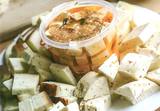 |
The Eleja creamery offers tastings of cheeses from the farm that is run by the Mālkalns family (apply in advance for the tastings!). There are seven kinds of cheeses, including smoked and matured cheeses. There is French cheese that has been prepared in partnership with a French cheese-making specialist, M Eribert. Blūdži is in the Sesava Parish, 7 km from Eleja, and welcomes small groups. The farm bakes bread, processes vegetables (tomato juice) and prepares other country goodies. |
|
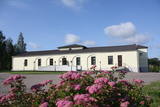 |
Gulbenes novada vēstures un mākslas muzejs dibināts 1982.gadā un apsaimnieko trīs ēkas – Vecgulbenes muižas oranžēriju, klēti un Sarkano pili. Oranžērijas ēkā izvietotas izstāžu zāles un apskatāmas divas pastāvīgās ekspozīcijas „Gulbenes vēsture” un „Jūlijs Madernieks”. Regulāri tiek atklātas dažāda satura tematiskās izstādes. Vecgulbenes muižas klētī apskatāma ekspozīcija „Tautsaimniecība”, kur apmeklētāji var iesaistīties vairākās aktivitātēs (malt ar rokas dzirnavām, pārbaudīt smaržas un taustes iemaņas, noteikt kokus, graudus, vīt virves u.c.). |
|
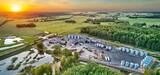 |
Z/s Kotiņi pamatnodarbošanās ir graudkopība ar specializāciju sēklkopībā. Vieni no lielākajiem sēklas ražotājiem valstī. Apsaimniekojamās zemes platība ir 4500 ha, no kuriem 3500 ha ir augstu kategoriju sertificētas sēklas lauki. Audzē kviešus, miežus, rapsi, pupas, zirņus, auzas, rudzus, eļļas rutkus, sinepes, griķus, āboliņu, sarkano auzeni, timotiņu, Speltas kviešus. Saimniecība piedāvā produktus ar pievienoto vērtību:
Daļa no Kotiņu produktiem ir atzīti ar zaļās karotītes kvalitātes zīmi! Kotiņi ir saimniecība, kur lieto Latvijā ražotu 100% zaļu enerģiju. |
|
 |
Auch Königstor (Kuningavärav) genannt. Im Barockstil gebaut ist ein Teil der früheren mittelalterlichen Stadtbefestigung. Der Beginn des alten Postweges. |
|
 |
The saloon is on the edge of the Rīga-Liepāja highway (A9) at the 22 km road marker. Most of the dishes are based on ingredients from the forest. The interior design is based on hunting, and there is a paddock of wild deer alongside the restaurant. Latvian cuisine: Roast buck, roast wild boar, venison steak, roast lamb, stuffed river trout. |
|
 |
The cafe is situated in Stende, approximately 12 km away from Talsi. |
|
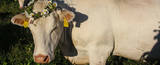 |
„Mieriņi” ir īsta liela lauku saimniecība pļavu meža vidū, kas atrodas pie Latvijas robežas. Tīrajos Latgales laukos tiek audzēti bioloģiski dārzeņi un lopi. Saimnieki dzīvo saskaņā ar dabu un aicina ikvienu savu viesi izjust un izbaudīt apkārtnes skaistumu ar visām maņām: gan garšojot, gan elpojot, gan taustot un klausoties. Visas maņas apvienojot, izdodas dzīvot pa īstam. Miera pilna Latgales ainava ieskauj bioloģisko saimniecību „Mieriņi”. Šī vieta dāvās atpūtu ar jauno lapu žilbinošo zaļumu un skurbinošajām putnu dziesmām pavasarī, ar plašo debess jumu, kas atspoguļojas ūdeņos, un košajām dabas krāsām vasarā, ar dzelteno lapu paklāju rudenī un ziemā – ar silto sniega segu uz karstās pirtiņas jumta. Papildu bioloģiskās gaļas produktiem saimniecība piedāvā arī latviešu gadskārtu svinības, nodarbības dabā, pirts pakalpojumus un telšu vietas. |
|
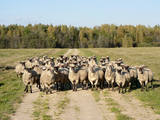 |
The farm, which has been developed around the servants’ home of the former Ķempēni Estate, breeds more than 200 Latvian dark-headed sheep. Visitors can purchase meat, wool and skins, also taking part in informational tours with tastings of various foods, as well as catching and tasting trout (this is available only to those who spend the night at the venue). |
|
 |
The cafe is situated in Sabile, where you can eat fast and tasty food. Banquets up to30 people. |
|
 |
The farm shows traditional rural life activities, raising sheep and Estonian Blackhead sheep. A heritage trail on the farm takes in a sacred grove, ancient burial sites and fields, and we tell stories of ancient Estonians and history of the farm. Handicrafts are displayed and wool workshops are offered. |
|
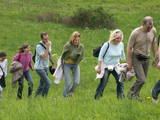 |
Dabas liegumā "Pilskalnes Siguldiņa" ir izveidota dabas taka - kājinieku tūrisma maršruts – t.s. Augšzemes ainavu taka, kas sākas Pilskalnē un beidzas pie Driģeņu mājām. Tā izlīkumo ezeru krastus, šķērso purvu (laipas). Apmeklētājiem, t.sk. arī bērniem, izveidotas arī īsākas - lokālas takas. Pieejami dažādu taku garumi: 1,6 km, 3,8 km, 8 km. |
|
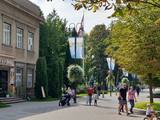 |
Materials of archaeological excavations show that the Ogre river banks were inhabited by the Livs. Ogre as a larger populated area and a major resort developed after the construction of Riga-Daugavpils railway in 1861. Until the World War I about 300 cottages offered their services in Ogre, most of them were destroyed during the war. The next "major" event took place 1965 when one of the largest knitwear plants in Europe was built in Ogre, which was staffed by guest workers from Vietnam and countries. Today, Ogre has still not recovered its glory of a resort, but has become a rather exclusive site of mostly low-rise residential buildings. |
|
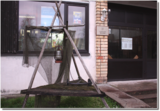 |
The Lapmežciems Museum features
information about the history of the local
parish, its school and its fishing industry.
There are also exhibits featuring World
War I battles near Klapkalnciems which
involved Finnish soldiers. The museum
also organises themebased exhibitions.
Alongside it is a memorial rock for the
politically repressed.
|
|
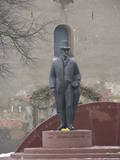 |
Opposite the tower of the Church of the Holy Trinity, the monument was designed by Arta Dumpe and commemorates Latvia’s first president, Jānis Čakste (1859-1927). It was consecrated on November 14, 2003, precisely 81 years after the statesman was elected to the important position. |
|
 11 days
|
This tour of the Forest Trail covers the national parks of Dzūkija and Žemaitija and the Nemunas Loops Regional Park in Lithuania. The starting point of the route is Druskininkai, a popular SPA and mineral water resort on the banks of the river Nemunas. Here, we recommend dipping yourself in mineral water baths, enjoying the trip with the cable car over the river Nemunas, visiting the musical fountain, and walking along the river promenade. For the next two days from Druskininkai, the Forest Trail passes through the Dzūkija National Park to the town of Merkinė. In this most forested and unpopulated region in Lithuania you can enjoy hiking along solitary forest roads, visit ancient mounds and ethnographic villages, where the traditions of bee-keeping, crafts, mushrooms and berry harvesting are still kept alive. You will then head to Birštonas, one of the key resorts in Lithuania with its valuable mineral waters. The town finds itself in the Nemunas Loops Regional Park, which includes four large and one smaller loops of the river. The Forest Trail stretches from Birštonas through the entire Nemunas Loops Regional Park up till the town of Prienai. Next, hikers will get to Kaunas, the second largest city in Lithuania and its former capital city. Kaunas is notable for its modernist architecture. The catchment area of the river Nemunas and the river Neris is situated here. Heading on, from Lampėdžiai to Vilkija, the Forest Trail runs for two days along trails and small countryside gravel roads next to the right bank of the river Nemunas, also crossing resort territory of Kulautuva. This section is characteristic of beautiful riverscapes, waterfront meadows and small villages. For the final section, first you must get to the Žemaitija National Park, where the Forest Trail runs around the Lake Plateliai, which is the largest lake in the historic Samogitian region. Old pine and fir forests and mixed forests are among the most precious natural values of |
|
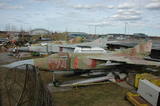 |
The largest collection in Europe of Soviet aviation and military equipment is on the territory of the Rīga International Airport and is open to visitors. The collection was assembled over the course of 40 years.
|
|
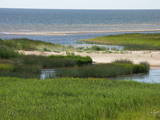 |
This is another important territory for the protection of reefs, is also opposite the Salacgrīva Administrative District, and covers 7,239 hectares.
|
|
 |
The Freedom Monument is opposite the Krustpils Castle in Rīgas Street. Built in 1925 and restored in 1992 (by A. Birznieks), the monument honours people from Krustpils who fell during Latvia’s liberation battles. There are good views of the Little Daugava, Daugavsala, and the Ādamsona (Krustpils) island. |
|
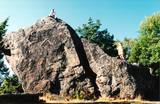 |
The Rock of Jana - Toma is claiming itself to be the highest (almost 8 m) rock in The Baltic. It is located in Kasispea village. |
|


