
| No | Name | Description |
|---|---|---|
 |
Pils iela pazīstama ar jūgendstila apbūvi, kas veidojusies 19. un 20. gs. mijā veco vienstāvu ēku vietā. Pirmā ēka Pils ielā 30 (jaušama jūgendstila ietekme) tika uzcelta 1901. g. Pils un Kuģinieku ielas krustojumā (Pils iela 40) paceļas 1905. g. celtais Vulfsona trīsstāvu īres nams, ko var pazīt pēc neobarokālā stila torņa. Netālu esošo ēku Pils ielā 31 un 38 (Mūzikas skola) fasādes jau ir uzskatāmas par raksturīgiem jūgendstila paraugiem. Savukārt, ēku Kuģinieku ielā 2 uzskata par vienu no skaistākajiem Latvijas jūgendstila namiem ārpus Latvijas galvaspilsētas. Uzmanība jāpievērš arī ēkām Pils ielā 54 un 60. |
|
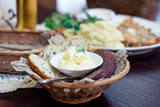 |
The “Pilsbergu krogs” guesthouse and café is 300 metres from the steep shores of Jūrkalne. It is in an historical building that has been restored. The Restaurant is open for the whole year. Foods from European cuisine as well as local dishes like local fish are served. Catering for tourist groups, banquet hall for up to 30 persons, restaurant hall for 25 persons and summer terrace for 30 persons. |
|
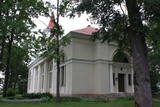 |
The Krustpils Lutheran Church is found at Rīgas Street 211A in Krustpils, on the right bank of the Little Daugava. The stone church which is there was built between 1818 and 1820 and consecrated in 1824. Two older churches stood on the site before then. The church was seriously damaged during World War I, and it was restored in 1924. There are several notable cultural monuments in the church – the altar painting, “Christ Prays in the Garden of Gethsemane”, the organ (with pipes that were manufactured in Germany), etc. The church is seen as one of the best examples of Empire-style architecture in Latvia, and in 1999 it was granted the European blue flag as an element of cultural heritage. There are legends about underground passages to Daugavsala, which is to the West of the church. The church is closed to visitors most days and can only be viewed from the outside. Nearby the church are two monuments – one commemorating the politically repressed, and the other memorialising national partisans.
|
|
 |
Naukšēni Winery is an organic farm producing cider from Paradise apples. Our Story Apples Ciders For Visitors Where to Buy |
|
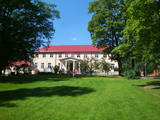 |
Sēļu muiža, par kuru pirmās ziņas saistāmas ar 1561. gadu, ar seno ēku kompleksu un ainavu parku mūsdienās vēl joprojām darbojas kā pagasta administratīvais un kultūras centrs, kur tiek organizēti arī atpūtas un saviesīgi pasākumi. Neskatoties uz to, ka muiža vairākkārt ir tikusi pārbūvēta, tās senatnīgums ir vēl saglabājies. Sēļu pagasta Tautas nams piedāvā bezmaksas ekskursijas Sēļu muižas kompleksā un divas meistardarbnīcas: ādas apstrādes meistardarbnīca pie Benitas Audzes un kokapstrāde un galdniecība pie Uģa Vītiņa. |
|
 |
Ļoļi Devil’s Footprint is situated in Mākoņkalns rural territory in a small forest lawn several meters from the
ditch, which is a borderline of the Rēzekne and Krāslava districts. It is about 1,9 m high truncated cone, the base
perimeter 1,8 m. According to the legend, the boulder had a curvy of the horseshoe prints. Now it’s shapeless. For the
first time the stone as a geological monument was established in the 1930s. It was in Andrupene rural territory.
|
|
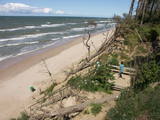 |
At Jūrkalne, there is a small viewing area on the steep shore which offers a magnificent view. At the foot of the shore, which can be accessed via a set of steps, the view is no less wonderful. It is worth hiking along the entire shore from Pāvilosta to Sārnate (approximately 30 kilometres).
|
|
 |
Wooden slat weaving workshop is located in Jelgava county, Sesava parish. Craftswoman is making different type of wooden slat baskets and basketry from pine, linden, aspen and black alder. There are several different categories of baskets, available in different sizes - picknick baskets, baskets for berry and mushroom picking, trays, baskets for firewood, laundry baskets, onion / garlic baskets, baskets for kids, and diverse baskets for daily use. Various inscriptions and drawings are also made on the weavings. They also accept orders for individual orders. In the workshop it is possible to see the wooden slat basket weaving process as well as have the opportunity to learn to make your own basket. |
|
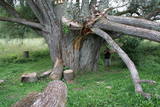 |
This is certainly the thickest White Willow (Salix alba) in Latvia and perhaps the thickest one in the Baltic States. Many of its mighty branches are resting on the ground, and the enormous monolithic trunk has been split. There’s a small information stand alongside the tree. A pathway which starts at the Raganu cliffs can be taken to the tree.
|
|
 3 days
|
Маршрут объединяет все многообразие Видземе и пролегает как вдоль морского побережья, так и по извилистым дорогам возвышенности с просторными живописными видами. Особенно подходит для семей с детьми. Информация о маршруте от Latvijas Lauku forums |
|
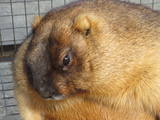 |
A friendly place for families, children and all interested parties. You can go on a tour or individually look at and learn about marmosets. |
|
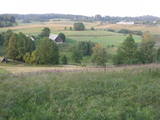 |
This restricted area protects the highest hillock in the Alūksne highlands – Dēliņkalns Hill – as well as the biotopes on its hillsides. The local landscape is also protected. Downhill ski trails are on the mountain, and its southern side offers lovely views.
|
|
|
|
This is Latvia’s largest lake island and is found in the middle of Lake Usma. The island is restricted to protect old stands of pine, as well as various plants and birds. |
|
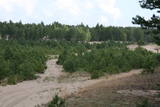 |
There are several large territories on either side of the Irbe River that were linked at one time by tank roads. Tank training and inspections were conducted here at one time, but now the territory has been abandoned and is slowly being reclaimed by the forest.
|
|
|
|
Izteiksmīgs zemesrags, kas klāts ar
dažāda lieluma laukakmeņiem.
|
|
 |
Līdz 18. gs. šajā vietā bija koka baznīca, kamēr 1798. g. uzcēla mūra baznīcu, kas cieta 1. pasaules karā, bet 2. pasaules kara laikā to uzspridzināja. Tikai pusgadsimtu vēlāk - 1991. gadā tika uzsākti atjaunošanas darbi, kas joprojām turpinās. Tagad redzamais dievnams ir iepriekšējā līdzinieks. |
|
|
|
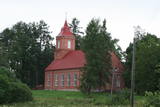
Puderova Old-Believers Prayer House. The architectural monument of local importance was built in
the beginning of the 20th century.
|
|
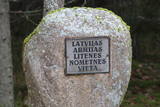 |
Name of Litene is associated with one of the most tragic pages of Latvian history. In twenties and thirties of the 20th century a Latvian Army summer camp was located nearby, where in the summer of 1941 Latvian officers faced the communist terror: Nearly five hundred officers of Latvian army were sent to Norilsk in Siberia, part of them was shot and secretly buried in the nearby forest. At the end of the summer of 1941 about 300 civilians, mostly Jews, were shot there by the army of Nazi Germany. Today, honouring the memory of people killed, memorial and memorial sites are created. |
|
 |
Ideja par "DA'ZIEPE" radās iedvesmojoties no Amatas novada dabas un idejas par pilnvērtīgu pieejamo resursu izmantošanu. Ziepes tiek gatavotas no liellopu vai briežu taukiem, augu eļļām un ziepju zālēm, kā arī papildinātas ar dažādām ēteriskajām eļļām un dabīgajiem aromātiem. |
|
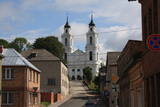 |
The first Catholic church in Ludza was built in 1687 and burned down. A new wooden Baroque church was built in 1738, and because of its colourful interior it became known as the loveliest wooden house of worship in Latvia. The church burned down during a great conflagration in 1938. Work on the church that is there began in 1939, but it was only completed in the early 1990s. |
|


