
| No | Name | Description |
|---|---|---|
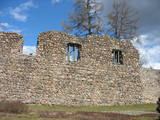 |
Work on the Valmiera Castle began in 1283. The castle was burned down in 1702 during the Great Northern War, and the city’s walls were torn down in the late 17th century. Ruins of the castle and remnants of other Medieval fortifications have been preserved.
|
|
 |
Atrodas Burtnieka ezera austrumu krastā – uz ezera poldera dambja. Pavasara un rudens migrāciju laikā – laba putnu vērošanas vieta. Putni redzami ne tikai ezera piekrastē, bet arī poldera mitrajās pļavās. |
|
 |
Black currants are grown on 3 ha of land at Bānīši, and for several years the owner has used the method that is so popular abroad -- allowing people to visit the farm to pick all of the berries that they need. |
|
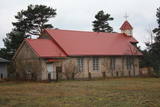 |
Atrodas ciema ziemeļdaļā. Neliela vienstāvu ēka ar svaigi nomainītu jumtu. Pēc vieniem avotiem celta 1883. gadā, citiem – pamatakmens ielikts 1933. g. 1. maijā. Tā tapusi pēc vietējo iedzīvotāju ziedojumiem uz Pirču māju zemes (saimnieks zemi atdevis dievnama celtniecībai). Baznīcas iekārta 2. pasaules kara laikā gāja bojā, tādēļ mūsdienās redzamā ir tapusi 20. gs. otrajā pusē. |
|
 |
Krustceļi Old-Believers Prayer House was built in 1939.
|
|
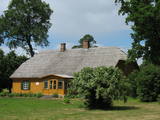 |
The Lejenieki homestead is 1.1 km north of Bangas. Vilis Plūdons (1874-1940) was an outstanding Latvian poet, a representative of the style of National Romanticism, and a schoolteacher. His real name was Vilis Lejnieks, and he was born in at the Lejenieki homestead in the Bauska region. His father was Jānis Lejnieks. As a boy, Vilis was enchanted by fairy tales told by his granny and by folk songs that she sang. Plūdons is buried nearby in the family cemetery. Lejenieki offers an exhibition about the poet’s life and work. The local sauna features sculptures of rabbits, thus recalling Plūdons’ poem, “Rabbit Sauna.” |
|
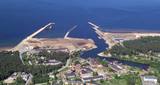 |
In the 19th century at the seaside of Skulte, a small village formed, which was inhabited by fishermen. The name “Zvejniekciems” (Fishermen’s village) arose from the population's main activity. In 1967 the Skulte part of Zvejniekciems was added to the Saulkrasti township. Nowadays Zvejniekciems is the home of Skulte Port, and the rocky beach of Zvejniekciems is located between the port and Saulkrasti Beach, while the village itself can be proud of the creative heritage left by the architect Marta Staņa (1913–1972). |
|
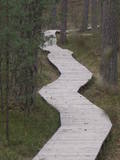 |
One of the most attractive and informative nature trails in the environs of Rīga. It leads the visitor around the 17-metre Ragakāpa dune, which is most interesting. People can learn about the habitats of the dune areas and the plants and animals of the area. Some of the pine trees are as much as 100 years old and more. The trail is 2km long in each direction and will take some two hours to traverse. This is part of the Ragakāpa nature park.
|
|
|
|
Einer der ausgeprägten Kaps der lettischen Küste mit Niederungsauen und einem in 1875 gebauten Leuchtturm. |
|
 |
Atrodas vēsturiskā rātslaukuma dienvidu malā. Jaunā rātsnama celtniecība (itāļu renesanses stilā, arhitekts O. Dīce) tika pabeigta 1860. gadā. Iespaidīgo celtni, kas nulle kā atjaunota, ir vērts apskatīt gan no āra, gan iekšpuses. Ir restaurēts rātsnama pulkstenis, ārējā fasāde, iekšējie interjeri un Lielā zāle. |
|
|
|
A monument to those who liberated Northern Latvia in 1919 was designed by Teodors Zaļkalns and is along the Inčukalns-Valka road. The monument contains text by Edvarts Virza: “As long as grain is sown in these fields, you will be praised and honoured.” The monument features a farmer with a sword and a horse. |
|
|
|
Atrodas ~ 0,4 km no Latvijas – Lietuvas robežas, Sventājas ielejas labā krasta nogāzē. Atrodama informācija, ka avotu tīrot, atklājusies 5 x 5 m ozolkoka „grīda”. Avots ir labiekārtots – virs tā slejas lapene ar niedru jumtu. Vēl pavisam nesen pie tā auga Latvijas dižākā ieva (nolūza), kuras vietā tagad kuplo biezs atvašu pulks. |
|
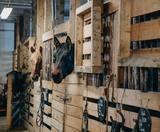 |
Vidzemē, Valmiermuižā, 19.gs. celtā ēku kompleksā, ko iekļauj mūra žogs, atrodas Valmiermuižas stallis un Valmiermuižas jātnieku skola. Tajā saimnieko Jurašu ģimene - zirgkopju, zirgu selekcionāru un vetārstu ģimene daudzās paaudzēs. Ir iespēja doties izjādēs, ekskursijās, kā arī tiek rīkotas radošās nometnes bērniem. |
|
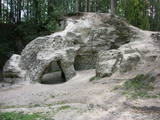 |
This is a sandstone cliff with several arches, pillars and niches. The set of caves (Little Hell, Devil’s Kiln, Devil’s Cave, Liepmuiža Cave and Liepa Cave) are a bit more than 20 m, with a ceiling height of 3.5 m and a width of 5 m. A powerful stream flows from the cave, which is thought to have been formed around 7,000 years ago. The cave is much damaged, because white sand was dug from it in the early 20th century. Great Ellīte is an ancient cult site. Today the site has been much improved. |
|
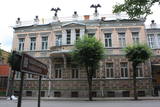 |
Atrodas Rīgas ielā 8 – skaistā, 1883. g. celtā jūgendstila ēkā . Muzejs (viens no Latgales lielākajiem un vecākajiem) tajā darbojas no 1959. g. (pats muzejs dibināts 1938. g.) un tā krājums vēsta par Daugavpils un tās apkārtnes vēsturiskajiem notikumiem. Tajā regulāri tiek rīkotas arī tematiskās izstādes, piedāvātas muzejpedagoģiskas programmas. Te vēl var apskatīt Daugavpilī dzimušā un pasaulē pazīstamā mākslinieka Marka Rotko (1903. – 1970.) gleznu reprodukcijas, kuras no 2013. gada plānots pārcelt uz M. Rotko centru Daugavpils cietoksnī. |
|
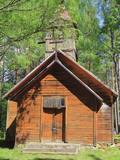 |
Krupenišku Old-Believer Prayer House was built in 1908. The autor of the
design is engineer I. Ivanov. At present the church is in bad tehnical condition.
|
|
 5 days
|
After the establishment of the Livonian state, the pope consecrated this land in honour of the holy Virgin Mary. This created Terra Mariana or Māra’s Land. The road between Ludza, Rēzekne and Daugavpils runs along an ancient trading route that once connected Vilnius and Kaunas to Pskov and, later, to St Petersburg and Warsaw. Very beautiful and poetically picturesque with rivers and lakes that are in Latvia’s forested land and among hillocks that offer a wonderful look at the distant horizon – that is Māra’s Land, which is also known as the Land of Blue Lakes. Lake Rāzna is the second largest in Latvia, and when the weather is clear, Mākoņkalns Hill or Padebešu Hill is reflected in its water. Atop the hill are the oldest ruins of fortifications in Latgale, dating back to the Livonian era. Rēzekne is known as the heart of Latgale, because it has always been the centre for Lettigalian culture and education. People contributed donations for the 1939 construction of a monument to Māra of Latgale. It is dedicated to those who fell during Latvia’s independence battles and the liberation of Latgale. The monument also speaks to the Catholic identity of Latgale. The monument was rededicated on August 13, 1992, the date of the assumption of the Virgin Mary. A Catholic festival at Aglona and the monument to Māra of Latgale – these are integral components of this part of Latvia. The present day is marked out clearly by the new Gors concert hall in Rēzekne, and well as the Zeimuļš student interest education centre. Daugavpils is Latvia’s second city and an important centre for industry, culture, education and sports. The Daugavpils pellet factory is unique, and the oldest pellet casting tower in Europe is now open to visitors, as are the restored Daugavpils fortress and the new Rothko Museum. Not far from Daugavpils are the small Birķeneļi semi-estate and the Rainis Museum. Latgale was the “land of new days” for the poet, and the museum now hosts gatherings of young artists and craftspeople. The ancient tradition of ceramic art that is typical specifically of this part of Latvia is still thriving. |
|
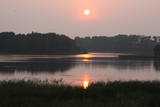 |
Also known as Lake Jēsis or Lake Iesis, this is the lake in Latvia which has the largest number of islands. Many literary sources and encyclopaedias in the 20th century claimed that there were 69 islands in the lake, but that was an exaggeration, because apparently the authors took sandbars overgrown with reeds and other plants to be islands. The true number is approximately two times lesser. The largest number of islands can be found in the north-eastern part of the lake. The largest one is Lielā Lāča (Big Bear) Island (45 ha). A farm was on the island at one time. The islands and the oak trees that are on the shores of the lake – the Piļoru and Pahatnīku stands of trees – are in a restricted environmental reserve. |
|
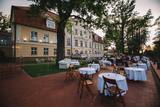 |
The restaurant is located in the Mālpils manor building that was renovated in 2008 and is a classicism architectural monument of the 19th century. The restaurant's menu changes and is updated according to the season. Combination of exquisite flavour nuances with an elegant manor interior. |
|
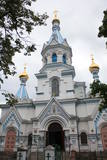 |
Atrodas t.s. Baznīcu kalnā - Tautas ielā 2. Šo uzskata par vienu no krāšņākajiem Latvijas pareizticīgo dievnamiem, kura ārējo veidolu izrotā daudzo torņu kupoli. Tā celta 1905. g. kā Dinaburgas garnizona baznīca ar daudziem nozīmīgiem mākslas pieminekļiem interjerā, t.sk. 19. gs. ikonām. Dievnams ir ikdienā atvērts un apskatāms no iekšpuses. |
|


