
| No | Name | Description |
|---|---|---|
 |
Atrodas Burtnieka ezera austrumu krastā – uz ezera poldera dambja. Pavasara un rudens migrāciju laikā – laba putnu vērošanas vieta. Putni redzami ne tikai ezera piekrastē, bet arī poldera mitrajās pļavās. |
|
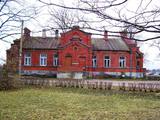 |
Adamovas Manor (ancient name –Adamhof, Odumova) is the cultural monument of the state importance.
It has two well preserved buildings of the 19th century. The Manor was built in 1851. Landlords
Korfs, Žemčužņikova and Karaulovs were the owners of the manor. There was discovered a mineral spring
in 1905. It was named in the honour of St. Helena. Mineral water gained the highest awards in London in
1912 and in 1913 in Paris. Currently, there is no mineral spring anymore. However, there is Adamova sanatorium
boarding-school for children with psychoneurological illnesses. A modern sports complex was built
in 2006 for organizing national sports competitions. We offer sauna, conference rooms, boat rental, and accommodation
for 120 people.
|
|
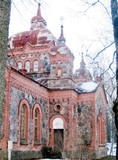 |
Nītaures vēstures takā var apskatīt un iepazīt dažādus vēsturiskus objektus no 13.gadsimta līdz mūsdienām - seno pilskalnu, vācu ordeņa pilsdrupas, luterāņu un pareizticīgo baznīcas, soda vietu un muižas seno apbūvi. |
|
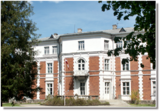 |
The Bebrene Estate features an ensemble of Baroque buildings from the late 19th and early 20th century. The dominant building is the mansion of Count Plater-Sieberg, which was built in 1896 after a design by the architect L.J.L. Marconi. It is home to the Bebrene High School today. Surviving to the present day are the ornate gate and the unusual stone fence of the estate. The regular-design park which surrounds the mansion features a wealth of foreign trees. |
|
 14 days
|
A panoramic tour of Lithuania and Latvia with highlights of nature experiences in the National parks and nature reserves. A variety of landscapes, nature attraction sites, birds and wild animals, forests and seashore. The tour also offers some cultural and historical insights. Baltic States are lucky to have plenty of untouched natural territories. During the Cambrian, Silurian and Devonian eras, the territory of the current Baltic States was often covered by seawater, which is why there are places where lots of geological evidence can be found about these periods in history. These are manifested not just in fossils and various geological objects, but also in the unique landscape. For example, The Gauja River basin is an outstanding locations for Devonian cliffs and caves. Other interesting elements of the terrain relate to the development of the Baltic Sea in the past – the Baltic Ice Sea and the Littorine Sea. That is well presented at he landscape of hillocks and valleys in the Slītere National Park. Many forests and bogs have remained virtually untouched as biotopes here. The Ķemeri, Slītere national parks were all established to protect wetlands. Rivers in the Baltic States have not been straightened and dense areas of buildings are not common. There are two “lands of lakes” in the Baltic States – Latgale and Augštaitija. The Baltic States are at the crossroads of the living areas of many different plants and animals, and that is why “northern,” “southern,” “western” and “eastern” species can all be found here. Some national parks have been established to protect distinctive local cultural heritage. |
|
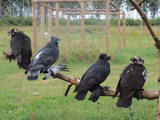 |
You can take an individual trip through the mini-zoo or have a guide to accompany you. You will see 16 types of doves, a Vietnamese pigmy pigs, river rats, rabbits, chinchillas, goats, parrots, turtle doves, ducks, geese, chickens, pheasants, and other birds. Children will love feeding the animals and establishing contacts with them. |
|
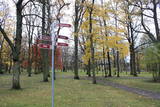 |
Viens no lielākajiem cilvēka veidotajiem Latvijasparkiem (70 ha), kas izstiepies no Liepājas ostas līdz Dienvidu fortam > 3 km garumā. Tā izveidi uzsāka jau 1870. g. pēc pilsētas mēra K. Ūliha iniciatīvas, uzbūvējot kūrmāju un strūklaku. 19. - 20. gs. mijā ap Dzintaru un Liepu ielām parādījās greznu villu un savrupmāju apbūve. Viena no skaistākajām ir jūgendstilā celtā savrupmāja Liepu ielā 27, kurā atrodas Krievijas ģenerālkonsultāts. Ēkai ir slēgta uzeja, balkoni, pildrežģa konstrukcijas un kārniņu jumts (arhitekti G. Jenike un P. M. Berči). Jūrmalas parks visās sezonās ir iecienīta pastaigu un dažādu aktivitāšu norises vieta. Te meklējams stadions „Daugava”, tenisa korti, koncertestrāde “Pūt, vējiņi!”, vasaras kafejnīcas, minigolfa laukums, bērnu rotaļu laukums, skeitparks. Šeit meklējamas lielākās Latvijas bungas – vides dizaina objekts. |
|
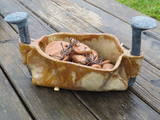 |
The potter offers tours of his workshop, a chance to use the potter’s wheel to produce your own clay dishes, opportunities to draw, and a chance to manufacture drums and dolls. You can buy the finished products and listen to the craftsman playing his drums. |
|
 |
Plašajā piedzīvojumu un atpūtas parkā ir iespējams piedalīties elpu aizraujošās aktivitātēs. Piedzīvojumu parkā "Supervāvere" visiem aktīvās atpūtas cienītājiem ir iespēja izmēģināt vairāk kā 60 atrakcijas: augstu un zemu kokos izvietoti dažādi virvju ceļi, pārejas un šķēršļi, kā arī ierīkoti nobraucieni pa trosēm. Laižoties pa garākajiem šāda veida nobraucieniem Latvijā gar ausīm svilpo vejš un acīm paveras lielisks skats uz Gaujas senlejas koku galotnēm. Tāpat ir iespējams doties Gaujas upē - ar plostiem, raftiem, kanoe vai piepūšamajām laivām. Gaujas krastā atrodas arī Ozolkalna kempings ar 6 mājīgiem mazajiem namiņiem. Katrā ir divas istabas ar kopīgu sanitāro mezglu. Namiņos iespējams izguldīt 4 – 5 personas. Tie ir apsildāmi, visas gultas ir saklātas, katram viesim ir dvieļu komplekts, iespēja uzvārīt tēju namiņā, pieejams grils, koplietošanas virtuve, bezmaksas WiFi. Ozolkalns arī piedāvā vietu pasākumiem kempinga teritorijā un kopā ar sadarbības partneriem palīdzēs noorganizēt uzņēmuma āra pasākumus.
|
|
 |
Saimniecības pamatnodarbošanās ir diļļu audzēšana un to pārstrāde. Siltumnīcā audzē arī Itālijas dienvidos zināmu melones un gurķa krustojumu "Carosello", kas latviski nodēvēts par "pūkaino gurķi". Iespējamas degustācijas, kā arī saimniecības produkcijas iegāde. |
|
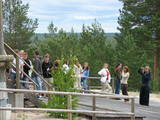 |
The word “Luitemaa” means “land of the dunes” in Estoninan. This coastline territory stretches for 13 km between Vöiste and Häädemeste with shallow waters, large coastal plains, Estonia’s highest dunes, and the Tokuse swamp (Tokuse raba). There are lots of birds here.
|
|
 |
Atrodas pie Jēkabpils – Rēzeknes autoceļa (A 12), - autostāvlaukuma malā. No torņa redzama samērā plaša Teiču purva daļa ar atsevišķām salām (kokiem apauguši paaugstinājumi) augstā purva ainavā. Teiču purvam ir dabas rezervāta statuss, tādēļ apmeklējams ir tikai tornis. |
|
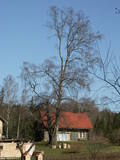 |
This is the thickest birch (Betula pendula) tree in Latvia and can be seen from the Klapkalnciems-Milzkalne road.
|
|
 |
Guests to the Dīķīši homestead in the Amata Parish will be greeted by several Samoyed dogs and intelligent little donkeys that will bring the guests to a place for glamping next to the pond. You can hike down two trails of different lengths of enjoy the opportunities that exist when Latvians share places where they find mushrooms and berries. A special adventure is creating artworks from natural materials that have been collected in the forest. The accommodations are appropriate for people who use a wheelchair. The lavatory has been adapted to the needs of such people, as well. People who are interested in cultural history can tour a collection of Latvian folk costumes, trying them on and organising their own photo session. People who enjoy extreme feelings will enjoy a ride on a quadricycle. If you love to go fishing, bring your own inventory. We organise fire rituals for birthdays and family celebrations, and we’ll also offer soup that has been cooked on a campfire, as well as a master class in cheesemaking. |
|
 |
Die zweitgrößte Insel Estlands mit breiter Waldung, Sand- und Steinstränden und einem der ältesten Leuchttürme Europas. |
|
 1 day
|
The Baltic Coastal Hiking Route leads around the Pakri Peninsula, from whose rocky shores you will discover the most beautiful coastal landscapes in northwest Estonia. It goes through the centre of Paldiski and, after having reached the fortress bastions of Peter I, it turns towards the Pakri Lighthouse going across the upper part of the impressive Pakri Cliffs. Further on up to Kersalu, there are both ups in the shape of rocks and downs where the Baltic Coastal Hiking Route meanders along a sandy and rocky seacoast and a beautiful pine forest. |
|
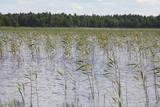 |
There is picnic area and information stand at the end of the forest path leading from Muiznieki to Klanu Bog. Klanu Lake was formed in the place of Littorina marine lagoon. Nature restricted area was established to protect biotopes in the area of Klanu, Dziru and Stavu Lakes. There is wide information about the area available on the information stand.
|
|
 |
Z/S “Paldaži” ir 19. gadsimta Vidzemes lauku sēta un bioloģiskā saimniecība Limbažu novadā, kas apzināti kopj un saglabā Latvijas vēsturisko un kultūras mantojumu, tai skaitā lībisko. Saimniecību vada Andrejs Kovaļovs, kurš attīsta aitkopību, biškopību, kokamatniecību un pieredzes tūrismu, radot iespēju viesiem iepazīt gan tradicionālo lauku dzīvi, gan mūsdienīgu bioloģisko saimniekošanu. Apmeklētājiem tiek piedāvāta īsa ekskursija, kuras laikā iespējams iepazīt Paldažu apkārtnes vēsturi, saimniecības stāstu, Paldažu dižosi un bišu dzīvi. Savukārt izvērstā ekskursijā iekļauts arī dravas apmeklējums, neliela vaska sveču liešanas darbnīca un atpūta ar karstiem vai aukstiem dzērieniem. No maija līdz oktobrim saimniecībā noteiktos datumos tiek piedāvātas vakariņas un pusdienas ar jēra gaļas ēdieniem. Maltītes iespējams baudīt tikai pēc iepriekšēja pieraksta. “Paldaži” piedāvā autentisku lauku pieredzi, kas apvieno dabas tuvumu, senās sētas vidi un mierīgu gaisotni. Šī ir vieta, kur iespējams sajust Vidzemes lauku raksturu, iepazīt bioloģiskās saimniekošanas principus un uzzināt vairāk par Paldažu vēsturisko mantojumu. |
|
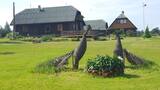 |
Accommodation in a country house for up to 40 people (with extra beds). Sauna and bathhouse services, party room, outdoor recreation - swimming in ponds, fishing, sports and recreation grounds. The hosts offer to taste dried fish or fish soup, also from your own catch. There are 17 fish ponds for fishing. In "Paradises" it is also possible to organize celebrations in the open air, as well as to spend the night in tents. |
|
 1 day
|
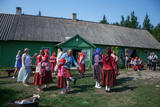
Kihnu is the largest island in the Gulf of Riga, with an area of 16.4 km2. It is only 7 km long and 3.3 km wide. Kihnu's cultural space and traditions are included on the UNESCO List of the Intangible Cultural Heritage of Humanity. There are four villages on the island and the islanders still wear national dress as everyday apparel. The unique atmosphere of the island can be experienced during a guided day programme. Kihnu Mare, the local guide, has developed her own traditional culture network with the people who have the know-how and skills to demonstrate for visitors the different aspects of Kihnu culture: the language, the traditional clothes, farming and fieldwork, handicrafts, the preparation of traditional foods, folklore, church life, singing, and dancing at weddings and village parties, as well as their traditions surrounding the sea, fishing, seal hunting and living with nature. |
|


