
| Nr | Name | Beschreibung |
|---|---|---|
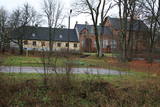 |
Виргская господская усадьба как лен была передана вассалу Ливонского ордена Конраду Нолду. До наших дней сохранился дворец господской усадьбы «Виргас», в котором с 1935 года до наших дней разместилась школа. Во дворце находятся три двери, украшенные красивой резьбой по дереву, с гербами рода Нолдов и портреты баронов. В бывшей клети господской усадьбы в 1983 г. обустроен Дом традиций - теперь Дом культуры. Господскую усадьбу окружает парк, в котором находится место могилы барона Нолда и баронессы с памятником. В центре Вирги установлен сапог Карла XII с двумя направленными друг от друга пушками и ядрами, которые вещают о временах Северной войны, когда в Вирге в 1701 г. был лагерь шведского войска. |
|
 |
Die Galerie Voronja ist eine Kunstgalerie, in der ein qualitatives internationales Kunstprogramm angeboten wird und durch die jeden Sommer der Zwiebelweg verläuft. In der Galerie gibt es ein täglich geöffnetes kleines Gartencafé. Dessen Speisekarte ist von den örtlichen Produkten inspiriert wurde und durch zusätzliche Geschmackrichtungen ergänzt, die von Wind in der Stadt gebracht wurden. Den Gästen werden auch die Zwiebelmarmelade Voronja, Schokoladensoße und andere saisonale Beilagen angeboten. |
|
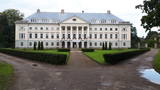 |
Die Anlage des Parks begann zu Beginn des 19. Jahrhunderts als Landschaftspark mit vielen Spazierwegen, Bänken und Brücken. Gegenwärtig ist der Park Kazdanga der Fläche nach (196 ha) einer der größten und zudem einer der aus dendrologischer Sicht reichhaltigsten Parks in Lettland. Hier wachsen über 200 Arten Gehölze, davon 127 fremdländische. Der Park zieht sich durch das gesamte Dorf Kazdanga, einschließlich des Gutshofs, bis hin zu der Stelle wo sich nördlich davon die Krypta der Familie von Manteuffel befindet. Der Bau dieser Krypta wurde mit Beginn des 1. Weltkriegs abgebrochen. Im Park gibt es mehrere Rastplätze und viele dekorative Elemente. Das Schloss Kazdanga wurde um 1800 erbaut. Der Entwurf stammte von dem in Europa bekannten Architekten Johann Georg Berlitz, wobei er auf ein Projekt von Giacomo Quarenghi zurückgriff. Das Schlossensemble besteht außerdem aus dem Ritterhaus, dem Gesindehaus, dem Wohnhaus, Marstall, der dreibögigen Brücke, die über eine Schlucht führt, und weiteren Gebäuden. 1922 wurde hier eine Landwirtschaftsschule eröffnet. Heute gibt es hier das Schlossmuseum und unweit davon das Touristeninformationszentrum. |
|
 |
Biškopības produktu ražošana - medus, ziedputekšņi, bišu maize, propoliss, bišu māšu peru pieniņš. Bišu māšu selekcija, bišu saimes. |
|
 |
Touristisches Zentrum Avinurme Puiduait ist vor allem das Zuhause für feine Holzbearbeitung in Avinurme. Gerade hier gibt es die reichste Auswahl von Späneprodukten, viele Saunaprodukte und Gebrauchsgegenstände aus Holz. Gäste haben die Möglichkeit an verschiedenen Workshops teilzunehmen: Korbflechten, Filzen, Brotbacken, Kerzengiessen, Gummistiefel-Malen u.a. Avinurme Puiduait ist ein Tourismuszentrum, in dem man die örtlichen Holzerzeugnisse anschauen kann. Hier gibt es auch ein Café, in dem Speisen aus der Peipussee-Umgebung angeboten werden, die auf den Holzerzeugnissen serviert werden. Außerdem kann man hier auch selbstgebackenes Roggenbrot kaufen. Das Laden bietet eine große Auswahl an Holzerzeugnissen. |
|
 1 Tag
|
Ekskursijas laikā apmeklējiet dabas taku, kura izvijas augšup un lejup gar Pilsupes lejteces stāvajiem krastiem un atklāj skaistus skatus uz trīs balto smilšu atsegumiem, no kuriem vecākais ir 6000 gadu vecs. Pēc tam apmeklējiet Kubalu skolu - muzeju, kur redzēsiet, kādas izskatījās skolas 19 gs. Klasē Jūs sagaida senie skolas soli, tāfelītes, tinte un rakstāmspalva. Tālāk dodieties uz dabas parku, kurā izveidota Bišu taka. Iespēja kāpt kokā ar dzeiņa palīdzību, liet vaska sveces un iepazīt dažādos biškopības produktus. Ekskursijas noslēgumā dodieties uz mini zoo, kur ir iespēja apskatīt dažādus dzīvnieciņus - pundurkaziņas, punduraitiņas, mandarīnpīles. |
|
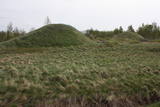 |
In der Zeit der Sowjetunion wurden in der Nähe vom Flughafen Liepāja in Cimdenieki die Radiolokatoren für die Flugabwehr aufgestellt. Heutzutage sind die Radiolokatoren demontiert und im Platz, wo sie waren, sind nur zwei interessante künstlich gebildete Reliefformen erhalten geblieben.
|
|
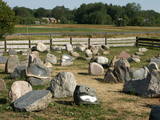 |
The craftsman produces gravestones, commemorative plaques and stone sculptures on the basis of orders from clients. He is prepared to tell you about a stonemason’s work and demonstrate his skills. |
|
 |
This is a comparatively large lake (3 km long and 1.3 km wide). It is shallow (no more than 1.1 m deep) and is classified as a seashore lake. The Vecslocene River flows through it. At the southern end, there is a narrow stream which connects Lake Sloka with Aklo Lake – a shallow and small lake with a dolomite bed at some locations. The best view of Lake Sloka can be seen from the bird watching tower on its north-western shore. This is the only floating bird watching tower in Latvia. Alongside it is the beginning of the 3 km Lake Sloka hiking trail, which passes through the flooded wetlands of the lower reaches of the Vēršupīte. An information stand can be found on the shore of Lake Sloka by the car park. Beyond it is a sulphurous spring. |
|
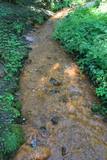 |
Diese Quelle befindet sich 1,3 km nordwestlich von dem Zentrum von Aknīste, in einem kleinen Seitental des Flusses Dienvidsusēja. Diese Quelle ist als eine Gesundheitsquelle schon seit alten Zeiten bekannt. Das Wasser der Quellen, die Richtung Osten ausfließen, soll Heilkräfte besitzen. Das gilt besonders für den Ostermorgen, wenn in der Quelle Augen gewaschen werden. Das Wasser der Quelle enthält Eisenverbindungen, von denen die braunen Ablagerungen (als Folge der Tätigkeit der Eisenbakterien) zeugen. Neben der Quelle befindet sich ein Stein mit einer kleinen Vertiefung, dieser Stein könnte früher ein Kultstein gewesen sein. Am Rand des Tals wächst eine heilige Linde. Die heilige Quelle von Saltupji kann mit Recht als eine der hervorragendsten Quellen in Lettland angesehen werden. |
|
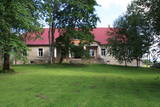 |
Lodes muižas ēkas izvietojušās t.s. Lodes – Taurenes subglaciālās iegultnes (cauri tek Gauja) austrumu nogāzē. Muižas apbūve tapusi 19. gs. pirmajā pusē, bet kungu māju (klasicisma stils) cēla 1815. g. Pēdējie īpašnieki, kas šeit saimniekoja (līdz 1939. g.) – bija Šmidtu dzimta. Mūsdienās muižas pilī vasarās dzīvo LU Ģeogrāfijas un Zemes zinātņu fakultātes studenti, kuriem šeit ir lauku prakšu norises vieta. Kungu māja apskatāma no ārpuses. |
|
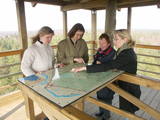 |
Ložmetējkalns Hill is one of the highest locations at the Long Dune. There is a monument to heroic Latvian riflemen who suffered great losses here during the Christmas battles of late 1916. There is a great view of forests all the way to Jūrmala, as well as of the Maztīrelis swamp, where the embankment of the former narrow-gauge railroad is very evident. This is part of a memorial park to commemorate the Christmas battles. You can visit the Mangaļi museum, the restored “German Rampart,” monuments and other objects.
|
|
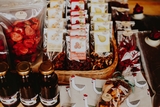 |
The farmwoman grows vegetables and fruits to produce tasty preserves, syrups, jams, chutneys and dried fruit. You can taste and purchase the products, go on a tour of an escargot farm, and taste escargots cooked in the Burgundy style. Children’s camps can be organised. |
|
 |
Kneipe von Mulgi befindet sich im Zentrum von Mulgimaa in Abja-Paluoja. Es ist eine gemütliche Gaststätte mit traditioneller lokalen Küche und netter Bedienung. Das renovierte Gebäude selbst ist über 100 Jahre alt. |
|
 10 Tagen
|
Der Herbst ist die Migrationszeit der Vögel, wenn über Ihre Köpfe sehr oft große Vogelzüge den Himmel kreuzen. Auf den Feldern zeigen Kraniche eindrucksvolle Aufführungen. Man kann noch einige Libellen und Schmetterlinge, sowie Wildschweine, Hirsche und Biber sehen. Die Landschaft zieht ihre wunderschönen herbstlichen Farben an, aber die Menschen freuen sich über die Herbsternte in den Wäldern: Pilze, Moosbeeren, Preiselbeeren und vieles mehr. |
|
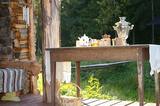 |
Die Mooska Erlebnistouren bieten Ihnen hervorragende Möglichkeiten zum Kennenlernen der Kulturerbe des Landkreises Võro: Rauchsauna und Saunabräuche, traditionelles Räuchern von Fleisch im Winter in der Sauna und im Sommer in einem mit Steinen gepolsterten Räucherbett. Die naturverbundene Lebensweise und das Naturgefühl der Südesten lernen Sie auf einer Tour nach Vällamäe kennen, wo auch Atmung, Orientierungsspiele, Nordisches Wandern und Wanderungen mit Schneeschuhen durchgeführt werden. Empfehlenswerte Gruppengröße bis zu 12 Personen. |
|
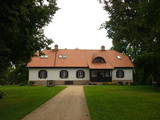 |
Das Vorwerk Birkineli ist als kulturgeschichtliches Denkmal staatlich geschützt. Es ist bekannt als Elternhaus des berühmten lettischen Literaten und Aktivisten Rainis (1865-1929). 1995 wurde das Haus restauriert und wird seit 1996 als Gedenkstätte für Rainis in Birkineli betreiben. Seine Kindheitserinnerungen von hier hat er in den Gedichtsammlungen „Fünf Skizzenhefte von Dagda“ verewigt. Heute werden im Rainis-Haus Führungen angeboten, Workshops, Ausstellungen und die Besucher haben die Möglichkeit Kleidung aus jener Zeit von Bauern, Dienern und anderen Berufsgruppen auszuprobieren. Rings um das Haus gibt es einen großen Obstgarten, und diesbezüglich werden Kurse unter dem Titel „Apfelweg“ angeboten. Besonders erwünscht sind Kinder und Jugendliche als Besucher. Vom Haus aus hat man eine prima Aussicht auf die Landschaft von Selonia. |
|
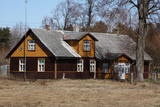 |
Dieser Hof ist ein Gebäudekomplex, der als eine Fischer- und Bauernwirtschaft gebaut wurde und zu dem das im Jahr 1926 gebaute Wohnhaus und Wirtschaftshäuser (die erste Hälfte des 20. Jhs.) gehören. Der Hof ist von der Straße zu sehen. |
|
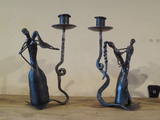 |
The smithy produces fencing, gates, wind gauges, chandeliers, household products and souvenirs. The craftsman will be happy to tell you about his work and to demonstrate his skills. |
|
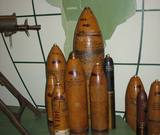 |
Das Museum befindet sich im Pulvertornis, der in der Zeit des Mittelalters in Riga eine sehr bedeutende Bestandteil des Fortifikationssystems der Stadt war. Das Grundthema des Museums ist die miltär-politische Geschichte Lettlands und die objektbezogene Exponate.
|
|


