
| Nr | Nosaukums | Apraksts |
|---|---|---|
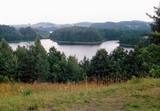 |
Jau minētā izziņas taka (no ziemeļu puses) savieno Ginuču pilskalnu ar Ladakalni. Tas ir pieejams arī no rietumu puses, kur izveidots autostāvlaukums un kāpnes (ir padomāts arī par cilvēkiem ar īpašām vajadzībām). No Ladakalna plakuma paveras (īpaši, pēc pēdējās attīrīšanas) viena no skaistākajām nacionālā parka ainavām uz vairākiem ezeriem un Augštaitijas augstienes pauguraini. Stāsta, ka no Ladakalna var redzēt sešus ezerus? Redzamo ezeru skaits var atšķirties bezlapu un veģetācijas periodā. Paņemiet karti un pārskaitiet! Pastāv uzskats, ka šis ir sens pagānu kulta kalns, kur upurēja dievietei - pasaules radītājai Ladai. |
|
 |
Šajā Kihnu mājā tiek piedāvāti tradicionālie Kihnu salas ēdieni no pašu audzētiem dārzeņiem un pašu ķertām zivīm. |
|
 10 dienas
|
Šajā tūrē pārsteigs lauku saimniecību daudzveidība un neparasti ražojumi. Apmeklēsiet vairākas saimniecības, kas ražo ekoloģisku produkciju, ko iespējams apskatīt, nogaršot un iegādāties. No Viļņas ceļš ved uz ekoloģisku kazkopības saimniecību, kur ražo 60 dažādus kazas piena sierus. Pēc tam apmeklējums etnogrāfiskā lietuviešu sētā, kur audzē zirgus un aitas. Pavadīsiet dienu Kauņā, apskatīsiet Nemunas upes ieleju ar Raudones (Raudonė) un Panemunes (Panemunė) pilīm. Pikniks lauku saimniecībā ar ozolzīļu kafiju, uz ugunskura ceptām pankūkām un vietējā mežā lasīto sēņu zupu. Ekoloģiska saimniecība Buivydai audzē gaļas liellopus un mellenes. Pa ceļam apskatīsiet Kuršu Kāpu, Jūras Muzeju ar Delfināriju un iecienītāko Kuršu Kāpas kūrorta pilsētu Nidu. Tālāk dosieties uz Latviju. Papes Dabas parkā apskatāmi savvaļas zirgi, etnogrāfiskais Ķoņu ciems ir sens piejūras zvejnieku ciems. Apskatot Liepāju, ir vērts iegriezties Liepājas tirgū. Tam ir vairāk kā 100 gadu sena vēsture un sezonas laikos šeit var iegādāties dārzeņus, augļus, zaļumus un ziedus no apkaimes lauku saimniecībām. Turpinot ceļojumu, apmeklējumi videi draudzīgā dārzkopības saimniecībā, kur audzē 130 šķirņu ābolus, vīna darītavā, kur gatavo vīnu no vietējiem augļiem un ogām, saimniecībā, kur pēc biodinamiskās lauksaimniecības principiem audzē pupiņas un zirņus, un gaļas lopu saimniecībā, kur ražo garšīgas desas. Turpinot ceļu, apskatīsiet skaisto Kurzemes viduslaiku pilsētu Kuldīgu ar ķieģeļu tiltu pār Ventas upi. Vides veselības saimniecībā baudīsiet zāļu tējas, iepazīsiet dažādus eko kosmētikas produktus, kas ražoti no tīrā dabas vidē ievāktiem augiem. Ceļā baudot Abavas upes senlejas skatus, nokļūsiet Sabiles vīna kalnā, kur tiek audzētas vīnogas vietējās vīna darītavas vajadzībām. Tālāk – Talsi, šarmanta mazpilsēta, kuras nomalē atrodas Latvijas Lauksaimniecības muzejs. Tūres noslēgumā apmeklējums saimniecībā, kur no pašu audzētiem augļiem un dārzeņiem gatavo sīrupus, ievārījumus un dārzeņu konservus. Ceļojuma galapunkts – Rīga. |
|
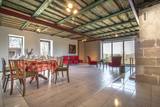 |
Atrodas pie Daugavas vecas gultnes gravas, Sērenes pagastā, Jaunjelgavas novadā mājas “Lazdāres” Brīvdienu mājā ir pieejami trīs apartamenti, no kuriem katrā ir sava virtuve, vannasistaba un viss nepieciešamais lieliskai atpūtai lauku vidē. Kā arī svinību zāle līdz 20 cilvēkiem. Atrodas 3 km no Aizkraukles un kilometru no jaunizbūvētās šosejas P76, kas savieno Rīgu ar Jēkabpili. Gaida ciemos viesus, kas vēlas baudīt klusumu un vasaru lauku vidē. Ģimenes ar bērniem. Rezervējumi uz nedēļu un ilgāku laiku ar atlaidēm. |
|
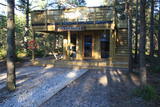 |
Āra kafejnīca "Divjūriņas" atrodas Kolkasragā, un ir atvērta no maija līdz oktobrim. |
|
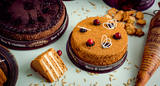 |
Uzņēmums Ineses Tortes ir vienīgais Latvijas ražotājs, kas ražo tortes un desertus, kas izgatavoti no 100% dabīgām un vietējās izcelsmes sastāvdaļām. Konditoreja, kuru 1993. gadā dibināja izcilā konditormeistare Inese Goldmane, sāka darboties kā neliels ģimenes uzņēmums Kuldīgā. Šobrīd katru mēnesi ražojam tūkstošiem tortes un desertus, kas nonāk uz pircēju galdiem gandrīz visā Latvijā. Aicinām ciemos ikvienu, kas vēlas baudīt tasi kafijas un tējas kopā ar gardu tortes gabaliņu, kā arī uzzināt par mums un mūsu produkciju! |
|
 |
Kaļķis is a populated area where
dolomite is still extracted from quarries in
the region (Kalnciems2 is one such
quarry). Some of the quarries are flooded.
|
|
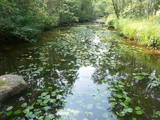 |
This territory protects a lime outcrop found on the shores of the lower reaches of the Zaņa River. There is a path for active hikers which begins at the Zaņa mill (1864, rebuilt 1890, shut down 1960). The path weaves its way along the steep shores of the little river, heading toward its mouth.
|
|
 8 days
|
The route brings you to Kaunas, multiple Lithuanian regional parks and allows to enjoy the landscapes of the river Nemunas. Kaunas is Lithuania’s second largest city. It is notable for its modernist architecture. The city is located at the confluence of the two largest Lithuanian rivers: Nemunas and Neris. Moving further from Lampėdžiai to Vilkija, the Forest Trail runs for two days along trails and small countryside gravel roads next to the right bank of the river Nemunas. This section is shaped by beautiful landscapes with views of the river, the waterfront meadows and small villages. Do not miss the ferry in Vilkija crossing over the river Nemunas, one of the few still in operation in the Baltic States. For the next two days from Vilkija, the Forest Trail runs through its most spectacular sections in the Dubysa Regional Park from Kirkšnovė to Šiluva with mounds on riverbanks and historical churches now and there. This regional park covers the impressive Dubysa river valley, which reaches a depth of 40 m and a width of up to 500 m. Be prepared for a rolling terrain. Next, the route will take you to the town of Šiluva – the Catholic pilgrimage site – and to the Kurtuvėnai Regional Park. It is among the most forested areas of Central Lithuania; thus, the regional park with its glaciated valleys is a wonderland of forests, waters and wetlands. The Forest Trail leads along small forest paths, tourist trails, beautiful tree alleys and wetlands. The walk ends in Šaukėnai village, from where the city of Šiauliai is easily reached. |
|
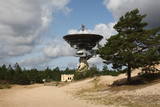 |
The radio telescope at Irbene was at one time used for anti-espionage purposes. There were various military units and objects in Irbene, including a military housing estate that has now been abandoned. The radio telescope is now run by the Radio Astronomy Centre of the Latvian Academy of Sciences for scientific purposes. Guided tours of the object are available.
|
|
 |
Naissaar is a small island near Tallinn which was exclusively used by the Soviet military from 1945 to 1993. Attractions on the island include walking trails, varied habitats, a narrow-gauge railway, fortifications from the early 20th C, and a Soviet naval mines factory. |
|
 3 days
|
Маршрут объединяет все многообразие Видземе и пролегает как вдоль морского побережья, так и по извилистым дорогам возвышенности с просторными живописными видами. Особенно подходит для семей с детьми. Информация о маршруте от Latvijas Lauku forums |
|
 |
Built in the 18th century and rebuilt in the mid-19th
century, the parsonage was the place where the Liv flag was first consecrated. Renovations
of the parsonage are underway at this time. Since September 2009, it has been used
by the Latvian Evangelical Lutheran Church as a rest home for its Recollection Centre.
|
|
 |
Piemājas saimniecība "Rudā lapsa", kas atrodas Ludzas novadā, interesentiem piedāvā iespēju iepazīt laukus, apskatīt mājdzīvniekus, saklausīt dabu, ļauties mierīgai atpūtai. Tiek piedāvātas telšu un piknika/ugunskura vietas. Ciemos tiek gaidīts katrs, kas vēlas atpūsties un izrauties no ikdienas skrējiena. |
|
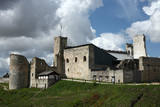 |
The Castle is a theme park depicting life of the 16th C stronghold where families can spend an exciting day as soldiers and noble knights. There is horse riding, bow and crossbow shooting, you can practise carpentry and blacksmith skills, mint coins, make gold and gunpowder. Facilities include a wine cellar, torture chamber, death room, medieval brothel, astronomy room, barber and alchemist workshops. The Schenkenberg Tavern menu has dishes cooked to medieval recipes. |
|
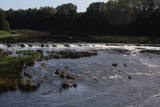 |
This is the widest water fall in Latvia – 249 metres wide and up to 1.75 metres high. This is an interesting natural, cultural and historical object in that it is linked to various events and legends. Duke Jacob of Courland invented equipment to catch fish. It was fastened to the cliffs of the waterfall, and this created the tale of a city where salmon and other fish who were leaping across the waterfall fell into the nets and were thus caught in the air. During Jacob’s rule, there was talk about digging a canal around the waterfall to ensure shipping, and work began on the project. During the early 18th century there was the idea that the Baltic Sea and the Black Sea could be connected via the Venta, Nemuna and Dnieper rivers. Turkish prisoners of war continued to dig the canal, but the local dolomite cliffs were a problem. Attempts to blow up the cliffs led to damage to nearby buildings, so the work ended. The impressive ditch can still be seen today. In 2012, a wooden pathway was installed on the right bank of the Venta to offer a good look at the waterfall. It is worth visiting here during various seasons of the year, when different types of fish migrate. |
|
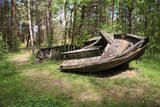 |
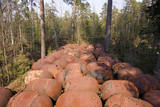
In the 1960s, the Soviet Union banned individual fishing in the sea, and the motor boats which had no other purpose were simply beached in the dunes. It is said that members of the Border Guard often set the boats on fire. Another story is that the Border Guard banned an ancient tradition of burning old boats on Summer solstice Eve. Along the road to the cemetery is the old net barn, which is a residential building today. |
|
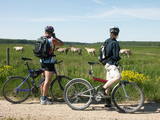 |
These meadows are of distinction because of the curvy Slampe River, which has caused a gradual recovery of damp meadows, complete with species of plants and animals that are typical of such areas. Domestic animals adapted for life in the wild can be seen here, and a bird watching tower on the location will offer you an excellent opportunity to view them. You can get to the meadows via a narrow corridor known as the Melnragu throat. The gravel road will lead to a hillock called Kurgāns from which you can have an excellent view of the surrounding landscape. |
|
|
|
Prepared blood sausages both traditional and more modern. The farms offer sausage-making demonstrations for various interest groups. Farm sausages are special with the prize won at the Riga Food exhibition - People's Taste. Open at any time by prior arrangement. |
|
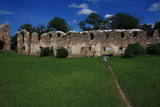 |
On the right bank of the Bērze River and in the western part of Dobele, the castle hill and its fortified forecastle were occupied between the 10th and 13th centuries, with an ancient town at its foot (currently the square between Tērvetes Street and the Liepāja highway). As was common, the Livonian Order used this ancient Semigallian castle hill to build a brick castle between 1335 and 1347. The castle was sacked during the 18th century, and its fairly impressive and beautiful ruins have been conserved. A viewing platform is part of the charm. |
|


