
| No | Name | Description |
|---|---|---|
 |
Peony collector Andris Berkens opens up his garden to visitors each spring and popularises and praises the name of Tērvete by bringing beautiful stories about flowers throughout the world. Flowers can be purchased to enhance a visitor's garden, and the recommendation is to visit when the flowers are in full bloom. Visit is free of charge. |
|
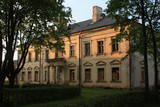 |
Atrodas Viļānu dienviddaļā, Maltas upītes krastos, kuras tecējumu pārtrauc Viļānu HES. Par muižu atrodamas ziņas jau no 15. gs. beigām, kad tā piederēja bruņiniekam J. Loem. Līdzīgi kā Vidsmuiža, arī šī bija viena no Latgales lielākajām muižām, kurai piederēja zemes > 49 000 ha platībā. 18. - 19. gs. mijā ap muižu sāka veidoties Viļānu miests. Muižas dzīvojamo ēku, kas apskatāma tikai no ārpuses, ieskauj parks. |
|
 |
A diverse stand of forest that is bisected by the Vidzeme highway and the Rīga-Lugaži railroad line. This is a place where the largest endangered bird in the world – the European roller – can be found. Between one-quarter and one-fifth of the Latvian population of the crow is found here. This, too, is one of the last nesting places for the green woodpecker.
|
|
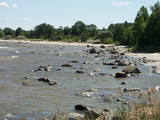 |
This is a trail for hikers and bird-watchers, located in a very interesting place on the shore of the Bay of Rīga near Kaltene. The visitor will see small inlets and capes and a rocky or overgrown shore. At the end of the trail there is a bird-watching tower. During the spring and autumn migrations of birds, the visitor will see a great many different kinds of birds in the area – geese, plovers, etc. The length of the track is a bit more than one kilometre, and it will take 20 minutes to an hour to cover.
|
|
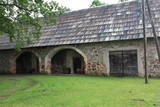 |
The road leading to this estate is reminiscent of a narrow mountain road with a deep river valley alongside it. The estate used to be known as the Libe Estate, and the buildings that are seen there now belonged to a nobleman, Magnuss. The mansion has a Neo-Gothic glass tower which is known as an architectural curio among specialists. The Sarkaņi Parish Council sits in the mansion. The granary is the work of a local enthusiast, Andris Trečaks, who has collected a series of ancient objects. Outside the granary is a very broad view of the “lower” Lubāna flatlands, resembling a painting with an empty frame. |
|
 |
A legendary location which is said to have
been the site of a lake which, in 1838, was poured into the sea. When the
water was gone, remnants of ancient tree stumps and ships were found at
the bottom of the lake.
|
|
 |
Stādaudzētava piedāvā rožu, skujeņu, dižstādu, ūdensaugu, lapu krūmu un dzīvžogu materiāla iegādi un konsultācijas.
|
|
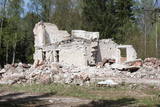 |
The communications facility in the forests of Bārta has been abandoned and is not being used other than for dismantling of buildings to obtain building materials.
|
|
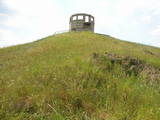 |
This unique territory covers more than 24,400 hectares, and the Soviet military used it as an aviation training centre. The history of the base dates back to 1951, when four kolkhozes were shut down, roads were closed, and several hundred farms and homes were simply moved elsewhere. A civilian presence at the base was restored only in 1993, when several new roads were installed. If you want to get a bird’s eye view of the base and its forests, you have to climb a high, manmade hillock from which commanders watched manoeuvres. We do not recommend that you wander off from the roads!
|
|
 6 days
|
On this hiking route you will see the most part of the western coast of Estonia from Pärnu to Tallinn. You will visit Estonia’s most popular resort cities: Pärnu and Haapsalu. You will pass along many bays, cape horns, fishermen’s villages and overgrown meadows. In the northern part you will walk along the spectacular Pakri cliffs, where you will see some of the most beautiful scenery in the area. There will also be sandy beaches and dolomite outcrops in places. In some rocky and wet sections you will use coastal forests and trails. During the route, you will see the Soviet military heritage in Paldiski. |
|
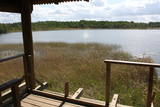 |
This is on the north-western shore of Lake Lielezers of Limbaži, at the start of the Lielezers nature trail. The tower opens up a view of the lake and its lovely shores. It is worth walking the trail, which is several kilometres long, because it is an interesting one. This is part of the ZBR. |
|
 |
Atrodas Burtnieka ezera austrumu krastā – uz ezera poldera dambja. Pavasara un rudens migrāciju laikā – laba putnu vērošanas vieta. Putni redzami ne tikai ezera piekrastē, bet arī poldera mitrajās pļavās. |
|
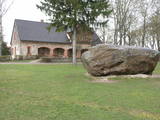 |
The museum is in the Lielvārde Park. It is in the granary of the Lielvārde Estate that was built in the early 19th century. It was later used as a residential building. A veranda was added to it in 1922. The museum has been there since 1970, and it features exhibits about the Latvian national epos “Lāčplēsis” and its author, Andrejs Pumpurs (1841-1902). The museum also features information about the history and ethnography of the Lielvārde Administrative District. Alongside it is a large rock that weighs around 80 tonnes and is known as Lāčplēsis’ Bed. A broken part of the rock is known as the Lāčplēsis blanket. Both rocks were once on the banks of the Daugava River next to the Lielvārde island. Waters from the Ķegums hydroelectric power plant now make waves in that area. Nearby is the so-called Spīdala log that was brought from Aizkraukle.
|
|
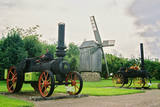 |
The museum is located near Tartu in Ülenurme manor estate, and takes pride in its unique collection of agricultural machinery and a comprehensive exhibition on agriculture and rural life in Estonia through the centuries. Other exhibitions cover beekeeping, vehicles of the past and the use of straw and birch bark. |
|
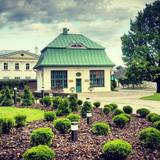 |
Located at Pils Street 25A in Alūksne, this is a building that was initially a trade pavilion and was built in the early 20th century. The Ernst Glück Bible Museum was established in 1990 as the only museum of its type in Latvia and the Baltic States. Glück (1652-1705) was a pastor and educator who was the first to translate the Bible into Latvian. The exhibition features various editions of the Bible from 1694 to the present day in 38 languages, along with books of sermons and other examples of Christian literature. |
|
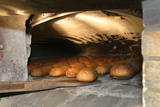 |
Lāči brand bread is popular in Latvia and abroad, because the bakery uses ancient mastery and skills. Baking traditions are supervised by 2 master bakers and 4 journeymen. You can take a tour of the bakery, knead and bake your own little loaf of bread, have lunch at a cosy saloon and purchase the bakery’s products. Lāči uses its own ingredients for its dishes, combining them with seasonal products from local farms. The bakery shop offers a wide range of products from bread to confectionery. Latvian cuisine: Cream of mushroom soup, various hot potted dishes, bread soup, baker’s dessert. |
|
 |
This is an unusual farm, one with no electricity (its owners use candle lanterns and petroleum lamps), with all work done by hand. Visitors can watch the milking of goats, the subsequent handling of milk, and the production of cheese. They can help to harness horses, try out sleds on wheels, and work with a scythe and a sickle. Livestock raised in the Latvian countryside can be viewed. |
|
 |
Piedāvā ļoti gardus Lietuviešu tradicionālos ēdienus. Var pieņemt līdz 1000 personām.Pieņem bankas kartes, ir āra terase, dzīvā mūzika kā arī autostāvvieta. |
|
 |
The former building of the State Bank is at A. Pormaļa Street 11 in the centre of Jēkabpils. The 1931 building was erected in the style of Classicism, and the interior has been preserved to this very day. The Jēkabpils branch of the SEB Bank occupies the building at this time. |
|
 |
This wooden pathway will introduce the visitor to a high-type swamp and a unique habitat – a place where sulphur streams flow into the Raganu swamp. The little lakes in the swamp are unique – they are the result of sulphur bacteria, and there is a special range of species in those lakes. The landscape is interesting, and the smell of sulphur pervades, mostly from sulphur ponds. The trail is 800m long and will require 20 minutes to an hour to traverse. The object is on the border of the Zemgale and Vidzeme regions.
|
|


