
| No | Name | Description |
|---|---|---|
 |
This site features a folklore trail to explain the content of ancient writings, symbols and folk songs. Visitors can learn about the importance of plants in human health, sing songs and play games. On offer are various lifetime rituals, including baptism and so on). There are fire and sauna rituals and annual festivals. Register in advance for a traditional meal. |
|
 |
This company has, for the past 16 years, produced classical candies of honey, peppermint, ginger and buckthorn, as well as other products. It also offers juice made of the common stinkhorn mushroom – a medicinal substance well known in Latvian folklore. You can purchase the products that are on offer. |
|
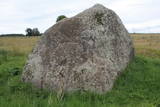 |
Atrodas 4,5 km ziemeļos no Rīgas – Daugavpils šosejas (A 6), klajā laukā (ap 3 m augsts, ainavisks). Viens no izcilākajiem Latvijas muldakmeņiem, tādēļ ir vērts izmest kādu loku. Akmens augšdaļā ir iekalts gandrīz 2 m garš un ~ 20 cm dziļš muldveida iedobums. Atrodamas ziņas, ka vēl 19. gs. vidū pie akmens ir ziedots ēdiens, monētas u.c. priekšmeti. Pie tā dedzināti ugunskuri un svinēti svētki. Teikas vēsta, ka velns muldā lējis ūdeni un gribējis mīcīt mīklu, kā arī parāvis zem akmens tuvējo māju saimnieku. |
|
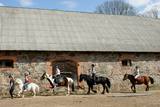 |
Sēlijā, Zasas muižas parkā, atrodas “Bērzzemnieki”, kur saimnieko Kalnāju ģimene. Atjaunojuši vēsturisko māju un ieveduši staļļos zirgus, ģimene sniedz viesiem iespēju iepazīt zirgus, piedalīties dažādos ikdienas darbos un doties izjādēs, kā arī nakšņot “muižiņā”. |
|
 |
This beautiful garden of practical ideas offers colourful flowers and a wide collection of coniferous trees which visitors can visit all year long. Behind the house are a vegetable garden and a group of greenhouses. |
|
 |
Z/s "Kaupēni" ir ieguvusi bioloģiskās saimniecības statusu. Kaupēnu saimnieks Valdis Apalups ir pievērsies kazu audzēšanai, gaļai - saimniecībā uz vietas notiek arī gaļas pārstrāde. |
|
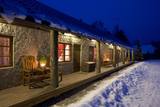 |
The farm, established in 1874, today provides comfortable tourist accommodation, saunas, an outdoor pool and organic food made to centuries-old recipes. Its little museum exhibits the exquisite needlework and farm tools of previous generations. All these items have a story to tell about their former owners´ dreams and work. |
|
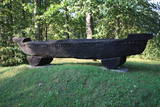 |
3 km to the south of the centre of Jūrkalne, near the old (gravelled) road between Liepāja and Jūrkalne, is the place where the three-year Feliksberga Maritime School existed between 1871 and 1902. The building is long gone, and the memorial has involves an oaken boat with two wooden poles on which old ownership signs have been engraved. |
|
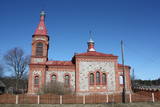 |
During restorations of the tower of the Kolka Lutheran church in the 1990s, a document was found which spoke to the conversion of many Livs to the Orthodox faith. The document was placed in the tower in 1885, when the church was being constructed, and it says that the decision by Livs to join the Orthodox church was based not on faith, "but instead as a resource for accessing advantages in relation to land." The Orthodox congregation purchased land from a local aristocrat in 1885, and in 1990, a church, manse and school were built on the land. All three buildings have survived to the present day. The church has its own congregation, and worship services are held once a month. There are news to show that Kolka is the only Liv shoreline village in which an Orthodox church was built during the 1890s. The church's bell dates back to 1936. During the Soviet era, the church was used as a mortuary, but today its original functions have been restored to it. |
|
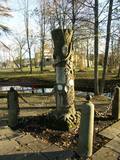 |
A monument to the founders and
directors of the Ķemeri spa (1861) on the
banks of the Vēršupīte.
|
|
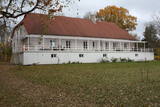 |
Muiža vēsturiskajos avotos ir minēta jau 1560. gadā. Tagad redzamā kungu māja ir celta no akmens 1805. g. Padomju laikos tajā atradās Matsalu rezervāta administrācija, bet mūsdienās ēkā ir izveidota viesnīca. Līdz muižai nokļūstam pa skaistu aleju, kuras apkaimē ir redzamas citas muižas kompleksa ēkas. |
|
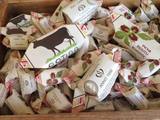 |
Established in 1957, this is the first company to have produced the popular milk candies “Gotiņa.” The tasty candy can be bought, and tours are available. The owner of the company is the main candy master, and he is happy to talk about the complicated method by which the candy is produced.
|
|
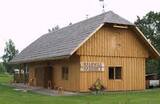 |
The carpenter’s workshop offers special excursions and events for grown-ups and children; there are some thematical programmes available. Under the guidance of a craftsman it is possible to work with traditional wood-working tools and get to know ancient games. In the end you will have a chance to try special „strengthening” tea and have a picnic in a romantic Bonfire house. It is possible to buy wooden souvenirs as well as order them. |
|
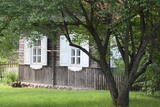 |
Vieta, bez kuras apmeklējuma nav iedomājama Dzūkijas vēstures un kultūras izziņa! Muzejs meklējams Marcinkones centrā, netālu no dzelzceļa stacijas. To noteikti ir jāiepazīst vietējā gida pavadībā, kas pastāstīs daudz interesantus faktus par dzūku tradīcijām un attiecībām ar mežu. Muzejā ir apskatāma dzīvojamā ēka ar ikdienas sadzīves priekšmetiem un rija, kas pārsteidz ne tikai ar savu plašumu, bet arī vairākiem interesantiem eksponātiem, no kuriem ir jāpiemin milzīgs sēņu grozs (tajā iegāja 110 kg gaileņu!), 750 gadus veca vienkoča paliekas, bitenieku un vietējo amatnieku instrumenti u.c. Rijā notiek ikgadēji ar dzūku kultūru un vēsturi saistīti pasākumi. Visbeidzot, te var iegādāties vietējos suvenīrus un medu. Ja ir vēlme iepazīt Marcinkones tuvāko apkaimi, ar kājām var doties pa 13 km garo Zackagira dabas taku (Zackagirio gamtinis takas). |
|
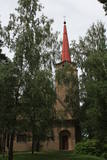 |
The Viesīte Lutheran Church is in Kaļķu Street in the western part of Viesīte, on the so-called Vales hillock which was left behind after the Ice Age. An interesting fact is that the defenders of Viesīte defeated the Bermont army here in 1919. The cornerstone for the church was laid on August 15, 1937 (a commemoration day for military heroes). The building was consecrated in 1939 and restored in 1994. Financing was provided for the construction of the church by Professor Pauls Stradiņš. The altar painting is by Ligita Caune. To the East of the church, at the foot of the Vales hillock is a monument to Stradiņš. |
|
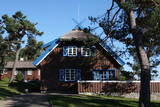 |
Ein zweistöckiges Holzhaus auf dem Uošvės-Hügel mit wunderschönem Blick aufs Haff. Hier hat drei Sommer der Träger des Nobelpreises, deutscher Schriftsteller Thomas Mann (1875 – 1955) verbracht. |
|
 |
The “Nida-Pērkone” protected marine territory is one of the most biologically diverse marine territories along the shore of the open part of the Baltic Sea, and it is enormously important for environmental protection. The most important reef territories are found here. During migration season, most species of migrating birds that are found in Latvia cross the area. The territory is particularly important to protect the goosander and the little gull. The territory is opposite the Rucava and Nīca administrative districts and covers 36,703 hectares. It overlaps the marine section of the Pape Nature Park and the Bernāti Nature Park.
|
|
 7 days
|
This tour features the best trails and attractions within the Gauja National Park. The walks are organised so that travellers are constantly on the move. The main “artery” of the park is the ancient Gauja River valley with many tributaries and deep ravines with massive sandstone cliffs from the Devonian period. The walk starts from one of the oldest churches in Latvia and follows the river which finishes at Sigulda bobsled track. Scenic views of the river, cliffs and nature trails await in the next section. The Amata river trail winds through untouched forest and inlcudes an icon of the Latvian landscape - Zvartes rock. At Cēsis explore the little streets, climb the tower of St John's Church and visit medieval castle ruins before heading to Cirulisi nature trail to explore the area's geological history. Ungurmuiza Manor is the only remaining wooden baroque manor house in the Baltics. A short trail weaves through ancient oak trees. The park also features several sites of cultural importance: Turaida Museum Reserve, Krimulda Manor and Ligatne historic centre. |
|
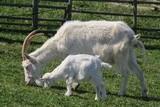 |
The herd consists of around 200 goats. The owner will tell you a humorous story of life with goats in Latvia and Europe, the story of making goat cheese and the secrets of its taste, will invite you to try cheese which you will be able to buy later. Goat cheese that is made in Lielgrodes is not only healthy, but very tasty. |
|
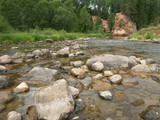 |
The Amata is one of Latvia's swiftest river, and water tourists congregate there each spring to engage in extreme activities. From the Rīga-Veclaicene highway, the Amata flows into a deep valley, with an average drop of more than 3 m/km or, downriver, as much as 8-10 m/km. Water tourists usually use the segment of the river between Melturi and the Zvārte cliff or the Veclauči bridge that spans the Līgatne-Kārļi road. Please remember that the Amata is not a friendly river for beginners. After lengthy rainfall, the river can be navigable during other times of the year, as well. The surrounding valley is attractive because of impressive sandstone and dolomite cliffs, among which the best known are the Vizuļi cliff (which can be the site of beautiful frozen waterfalls in winter), the Ainavu cliff, the Ķaubju cliff, the Dzilna cliff, the Zvārte cliff, and the Lustūzis cliff. Between Melturi and Veclauči, there is the Amata geological trail, which is marked with orange paint on tree trunks. There are three segments to the trail – from Melturi to the Kārļi fish farm, from the fish farm to the Zvārte cliff (both segments can be extreme!), and from the Zvārte cliff to the Veclauči bridge. You can hike the trail at any time except when there is deep snow. The most impressive views will be found when the trees are bare. If you boat down the river, you will not have time to look at or photograph the cliffs, because all of your attention will be focused on the river itself and the obstacles therein. |
|


