
| No | Name | Description |
|---|---|---|
 |
Zemnieku saimniecība "Mežnoras" Raunā izveidota 1993.gadā. Saimnieki Aivars, Ārija un Līga Urbasti šobrīd audzē 1,6 ha vasaras un rudens avenes, arī nelielās platībās zemenes uz lauka un segtās platībās, siltumnīcā. Zemenes no "Mežnorām" parasti pieejamas laikā no maija vidus līdz oktobra vidum. "Mežnorās " audzē vasaras avenes "Norna", rudens avenes "Babje ļeto", “Polana”, populāro zemeņu šķirni “Polka”. No savā dārzā audzētajām ogām (upenes, jāņogas, ķirši, zemenes u.c.) Aivars gatavo mājas vīnu: "Mežnoru vīns pilnībā sākās Mežnorās. Tas piedzimst nevis mucās, bet sākas mūsu zemeņu vai aveņu laukā, un tās ir daudz dziļākas saknes, kas atstāj pēdas arī garšā”. Saimniecībā audzētais pieejams uz vietas Raunā, gan arī Straupes Lauku labumu tirdziņā, Straupes Hanzas tirgū, arī sezonā - Cēsu tirgū. |
|
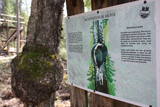 |
1,7 km gara lokveida taka, kas iepazīstina ar dažādiem meža biotopiem, to iemītniekiem un meža apsaimniekošanas pamatprincipiem. Apmeklētāju ērtības nolūkā ir izveidotas koka laipas un neliels skatu tornis. |
|
 |
The saloon is alongside the Liepāja-Ventspils road (P111), alongside the restored wooden bridge across the Rīva River. The interior design is based on the sea. During the autumn, the large windows open up a view of salmon leaping across the dam of the windmill. Latvian cuisine: Chilled soup, baked potatoes in their jacket, baked filet of flounder and cod, baked herring in a sea buckthorn marinade, pork chop with mushrooms, sausages with marinated onions, grey peas with bacon, mashed potatoes, stacked rye bread, oatmeal with whipped cream. |
|
 |
Atrodas Kokneses tūrisma centra telpās (1905. gada ielā 7). 160 cm garais un 120 cm augstais makets ir Vittingenas (Vācija) dāvinājums Koknesei, atzīmējot 10 gadu sadraudzības jubileju. Šāda Kokneses pils izskatījās ap 1701. gadu. |
|
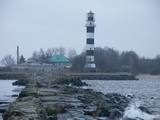 |
The Western breakwater was finished in 1885 and stretches 860 metres into the sea. Together with the Eastern breakwater it regulates the flow of water from the Daugava River into the sea, also reducing silt levels in the river. The structure of the breakwater is based on piles that are strengthened with rocks. The breakwater has been reconstructed and strengthened several times. During the 19th century, it held a prison for offenders. Approximately ½ of the breakwater has been restored with cement, but the rest of it is in fairly sad shape. Polish King Stefan Báthory ordered the construction of a lighthouse alongside the Daugava in 1528, and the first map to show a lighthouse was produced in 1536. A 1721 list of lighthouses in the Russian Empire notes a pile of rocks at the location upon which a fire was lit. Later there were wooden and stone towers that were destroyed during wars. The current Daugavgrīva lighthouse was built in 1957 and is 35 m high. Its light can be seen at a distance of 18 nautical miles. |
|
|
|
Taka ap Ozolu Mazezeru. Purvaino krastu posmā, ap ezera rietumu galu, ierīkotas gājēju laipas. Novērojami purva, meža un ezera augi, dzīvnieki un biotopi. Jūlija beigās īpaši krāšņi zied ūdensrozes. Blakus atrodas Ozolmuiža ar parku.
|
|
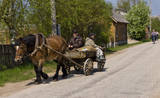 |
Old Believers, who fled persecution from the Russian Orthodox church because of their refusal to adapt to church reforms, settled down on the western shore of Lake Peipsi in the 17th and 18th centuries. |
|
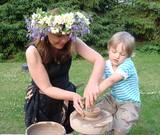 |
The craftswoman uses clay, rocks and other materials to produce dishware and various interior design objects, finishing them in an open kiln. Visitors can take an informational tour, watch the craftswoman at work, and sit down to produce their own cups. Guests are welcome to attend the opening of the kiln. |
|
 1 day
|
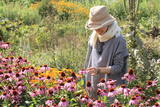
The distance from Riga to Tallinn is more than 300 km and it takes approx. 5 hours by bus. Therefore we suggest stopping on the way for a brief excursion to a herb farm and lunch in a country pub. This stopover is approx. 1.5 hours’ drive from Riga, just at that point when one needs to stretch one’s legs and enjoy a change of scene. The visit will give an insight in rural life and it may surprise visitors to learn how well Latvians understand nature, knowing and using herbs for food, health and beauty. After the excursion, the group will have lunch in a country pub serving meals made from locally grown ingredients. |
|
 |
Café Ugandi is a cosy place in the very heart of Otepää, filled with a warm atmosphere, pleasant feelings, pure and delicious flavours. As soon as you arrive, you will feel the aroma of premium quality coffee and sweet pastries. The large showcase is filled with delicious cakes - you can enjoy them here or take them with you to enjoy later at home. |
|
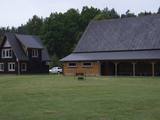 |
Just 20km from Valmiera down the river Gauja in Gauja National park theritory we own fabilous place for lovers of leisurely holidays with good active tourism possibilities. Main building with kitchen, shower, WC and higher standard accomodation possibilities. Big shelter with lodges next to it. Big area with fireplace. Sleeping facilities in 2 nd floor and some extra sleeping facilities and big shelter in separate building. There are You can find marked bicycle trail Valmiera-Cēsis next to the CAMP CAUNĪTES. Guests can use canoes for fishing or short tours along the river Gauja. |
|
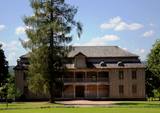 |
This estate is surrounded by an ancient and geometric landscape. During the latter half of the 19th century, it had a landscape style with various elements of geometry. The park covers 4.2 ha and has ancient linden, maple, elm, oak and other decorative bushes, with more than 20 types of plants that have turned into wood. |
|
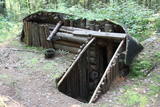 |
National partisans commanded by Rihards Pārups were very active during World War II between Vietalva and Jaunkalsnava. The team was disbanded in 1946. The dugout is at a location that is hard to find and access. It is in the nature reserve of the Veseta Wetlands Swamp. The wood pathway that leads from the East is often hidden by reeds during the summer. During the fierce winter of 2010, the roof of the dugout collapsed, but local enthusiasts plan to reconstruct it. Alongside the dugout is a white cross inscribed with the names of the partisans who lost their lives here.
|
|
 8 days
|
The tour from Riga to Tallinn combines natural, cultural and culinary heritage and includes lovely landscapes and 15 nature trails which cross marshlands, meadows and forests along the shores of the Baltic Sea. The itinerary brings you directly to where local specialities are produced so that you can enjoy them freshly made and authentic. You will watch lamprey being prepared for you on a grill, and you will savour treats such as home-made ice-creams where they use eggs from happy hens of the farm, smoked meat from local farms, and many others. On this tour, you will become a true expert of the traditional and modern Latvian and Estonian cuisine. As the farms producing foods are often located in beautiful nature areas, you will combine culinary and nature experiences on this tour. There are many nature trails equipped with viewing towers for birdwatching. Randu meadow near Ainaži contains one third of Latvia’s entire plant species. A boardwalk leads through reeds to a viewing platform with views over the meadow and the sea. Saaremaa Island has a great variety of natural attractions that are different from those on mainland Estonia. There are dolomite cliffs, juniper heaths, a meteorite lake and rocky sea shore. The tour passes rural farms and traditional villages typical of the coastal areas. Hiiumaa Island is a laid back place and retains a very Estonian atmosphere with an important bird reserve at Käina Bay, unusual Sääre Tirp, as well as several small islets off its south-eastern coast. Back on the mainland, Paldiski peninsula gives a glimpse of the recent history with its former Soviet military base. |
|
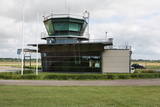 |
The current Ventspils airport began its life as a military object. Today regular passenger flights to and from Rīga have been suspended, and the airport is only used for small planes.
|
|
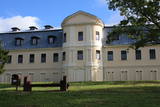 |
There are several buildings from the estate that survive to the present day and were built by the Plater dynasty of noblemen. The old mansion that is on the side of the Count Plater Street was built in 1759 on the banks of the Jāņupīte River. The Baroque building was designed by an architect from Venice, Antonio Parazzo. Later the mansion was rebuilt, and after a new castle was erected, the Plater family spent its summers on the first floor of the old building. The second and third floors had a library with some 20,000 books. The noblemen managed to move most of the contents of the library to safer locations during World War I, when the library as such was destroyed. Work on the new castle of the Krāslava Estate (on the upper part of the Daugava River Valley) began in 1756 (architect Domenico Parazzo). Initially it was in the Baroque style, but reconstruction at the turn of the 18th century involved Classicism. Unique Rococo wall paintings with views of Rome have been discovered in the building. These were based on samples from castles in Poland and were painted during the 1760s and 1770. A high school used the new castle until the 1970s. Then the building was abandoned and gradually turned into a ruin. More recently there has been major renovation of the castle’s façade, and it now has a good appearance. Surrounding the structure is a romantic landscape park that dates back to the mid-18th century. It is on the hillocks of the Daugava River Valley and the valleys that cross it. An artificial grotto has been restored, and a statue of a lion stands guard over the site. The stairway has been placed in its historical location, and the park features pathways and a yard. |
|
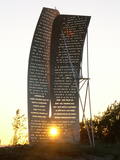 |
In Ošvalki, which is between Jūrkalne and Sārnate, there is a commemorative sign, “Sail of Hope,” which commemorates Latvians who sought to cross the Baltic Sea to Sweden during the latter period of World War II in 1944 and 1945. The sign is in the dunes between the road and the sea. |
|
 |
Old Kybyn Inn in Trakai serves traditional Lithuanian food like their Karaite meat pasty – the Kybyn as well as other sorts of food. |
|
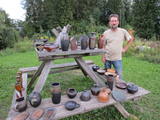 |
This craftsman produces beautiful ceramics and uses the so-called black or smoke-based technique. You can try your hand at the potter’s wheel and watch as the kiln is opened. You can commission or purchase ceramics. You can also tour the beautiful garden and receive services related to flower design. |
|
 |
The farm has a fabulous apple orchard and also grows potatoes and strawberries. You can buy apples and taste strawberries. |
|


