
| No | Name | Description |
|---|---|---|
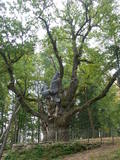 |
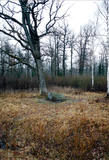
This is the thickest English oak (Quercus robur) in Lithuania, with a circumference of 9.4 m (as opposed to the Kaive oak in Latvia, which has a circumference of 10.18 m).
|
|
 |
Rendā uz nelielās Abavas kreisā krasta pietekas Īvandes 200 m attālumā viens no otra izveidojušies divi ūdenskritumi jeb rumbas. Lielākais ir apmēram 2m, mazākais aptuveni 1,4 m augsts. Upītes krastos redzami nelieli dolomītu atsegumi.
|
|
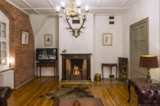 |
The Vijciems Hunting Castle building houses an elegant design guest house Bergervilla. Each room has an individually designed design, historic furniture and a special atmosphere. There are 4 rooms available - a standard room, a two-room suite and two deluxe rooms with a private balcony and a bathtub. Each room is given the name of a forest beast or bird - Owl, Mednis, Deer and Elk. There is also a living room and library for guests to relax in, as well as a fully equipped kitchen for cooking. Free Wi-Fi and parking are available. |
|
 |
Amatnieku biedrība un dāvanu veikals “Pūralāde” atrodas Kandavas vecpilsētā, blakus promenādei. Veikaliņš piedāvā iegādāties Latvijas meistaru un mākslinieku radītos darbus gan dāvanām, gan savām mājām. Amatnieku biedrība organizē dažādu amatu apmācības un radošās darbnīcas. |
|
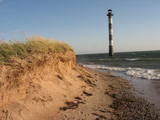 |
Sāmsalas ziemeļrietumu daļā jūrā iestiepjas iespaidīgā Tagameizas pussala (Tagamõisa poolsaar). Tās ziemeļrietumu daļā meklējama mazāka – ap 5 km garā Harilaidas pussala (Harilaid). Pussalas vidusdaļā viļņojas Lajalepas ezers (Laialepa järv) - bijušais jūras līcis, kas zemes garozai ceļoties, kļuvis par iekšēju ūdenstilpi. Arī pati Harilaida (igauniski „laid” nozīmē „saliņa”) vairāk nekā trīs gadsimtus atpakaļ bijusi sala. Harilaidu iecienījuši ne tikai migrējošie putni, bet arī roņi, kurus piesaista vientuļi līči un akmeņainās sēres. Harilaidu var apmeklēt tikai ar kājām vai ar divriteni, bet spēkrati ir jāatstāj autostāvlaukumā. No tā ~ 1 km attālumā atrodas vieta, kur pēc 17. gs. radies Harilaidas savienojums ar Sāmsalu. Šeit paveras nepierasti klaja un akmeņaina ainava. Pārējā Harilaidas daļa ir apmežota pirms ~ 40 gadiem. Kopumā būs jāveic ~ 10 km garš pārgājiens. |
|
 |
Home producer Elma Zadiņa prepares sklandraušs, which have rye flour bottoms, as well as an old Latvian lunch dish - a porridge, using ground wheat and rye flour. The products are produced in small quantities at home. Tasting of porridge and smoothies is possible. |
|
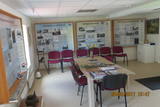 |
The exhibit features information about the history of the Džūkste and Lestene parishes, as well as the events and consequences of World War II. Donations are requested from those who visit the museum. |
|
 |
This territory was established to protect the lovely central section of the Neries River, local species, and Lithuania’s largest oak forest.
|
|
 |
The cafe is situated in the shopping centre Talsu centrs on the 3rd floor. Free Wi-Fi available. Number of seating places: 50. Working hours: Mon-Sun: 9:00 - 21:00 |
|
 |
Diplomēts mežsaimnieks Imants Urpens Alojas novada "Ošlejās" audzē šitaki sēnes. Šī ir arī mācību saimniecība, uz kuru brauc mācīties pārsvarā ārzemnieki. Saimniecība ir bioloģiski sertificēta. Pieņem ekskursijas un pasūtījumus sēņu audzēšanai un micēlija iegādei. |
|
 4 days
|
Poems are dedicated to trees in the garden sourrounding the memorial house of Edvarts Virza, a Latvian poet and writer who wrote a legendary novel about the lives of Latvian farmers. The beautiful 18th century Mazmežotne castle is renovated by a grain farmer’s family. The Rundāle castle is known as Latvia’s true jewel of Baroque and Rococo architecture featuring also a rose garden with over 2200 varieties of roses. At Brukna manor you will see a vegetable garden that is arranged as a Renaissance park, a rose garden and a vineyard. Pick your own blackcurrant berries at Bāniši berry farm. A beautiful landscape garden is open for visitors at Gundegas house. 200 year old oaks adorn the Vārkavas Park. Riekstiņi is an authentic single-family Selonian farm with a specific spirit and ambience. At Kaldabruņa you will visit an art gallery housed in a hay-shed together with a hay museum. Grape selection and cultivation was the great passion of Pauls Sukatnieks, and his memorial garden is worth visiting during the harvesting time. Dvietes Manor is proud of its 19th century landscape park and a stone bridge. Daugavpils, the 2nd largest city of Latvia, is famous for the renovated 19th century Daugavpils Fortress housing museums. Sēlija tree nursery offers a tour of their apple orchard, apple storage and production facilities. Enjoy a glass of apple juice and stories of vinemakers. Berķenele is the memorial house of Rainis, the distinguished Latvian author and social activist.The Rokiškis Regional Museum and Manor is one of the most important cultural centres of the Aukštaitija region. The Liudvika and Stanislovas Didžiulis Homestead Museum garden features traditional Lithuanian apple tree cultivars, flowers and herbs. The A. Baranauskas and A. Vienuolis-Žukauskas Memorial Museum presents culture, literature, history, agrarian culture, and technical history in the Anykščiai region. Traditional Lithuanian flower garden can also be seen at the Bronė Buivydaitė Memorial Museum. In Anykščiai you can enjoy the Treetop Walkway and Labyrinth Park, and take a train ride on Aukštaitija’s narrow-gauge railway. In Traupis Botanical Garden you will find everything from perennial flower collections and rock garden to a flower clock and decorative pool with aquatic plants. The interior of the Taujėnai Manor house was decorated extensively with the Radziwiłł family’s portraits, sculptures, hunting trophies, and antique weapons. Take a walk around the Ukmergė Old Town and enjoy the view from the old fire tower. Survilai Homestead offers a barefoot trail walking on pine cones, swamp, peat, clay, gravel, polished glass, pine-tree needles, straw. The Vytautas Magnus University Kaunas Botanical Garden exposes the Lithuanian Heritage flower garden plants according to their botanical classification. At Tadas Ivanauskas Homestead at Obelynė Park you will see a collection of 300 species and forms of plants, including some of the oldest trees on the planet – the ginkgo biloba and the dawn redwood. In Kaunas you will see the Oldest Apple Tree in Lithuania – almost 360 years old, 8 metres tall, with a girth of 285cm at a height of 1.3m. The tour ends in Kaunas, Lithuania's 2nd largest city that was the capital of the country from 1920 until 1939. |
|
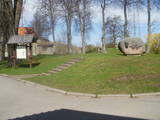 |
This site has a commemorative stone which speaks to Krišjānis Valdemārs’ achievements in the development of the Latvian state. This used to be the location of the Roja or Lubezere maritime school, and the home for teachers is still there. A private medical practice is in the building right now. The maritime school existed from 1873 to 1915 and was wrecked during World War I. The school trained helmsmen for short-distance trips. Tuition was free, and classes were taught in Latvian. Latvian sailors were known in Russia and abroad, including the Americas. They were respected for their serious approach to their work, their honesty and their loyalty. (Source: Roja TIC) |
|
 |
The saloon is on the edge of the Murjāņi-Valka road (A3) and is easily recognised because of the building and various fairy tale characters in the yard. Latvian cuisine: Cold soups (beet, bean, sauerkraut, sorrel), roast leg of pork, blood sausage, pork ribs, berry dessert with toasted oats, stacked rye bread. Special foods: “Fiery Soup of the Ragana Kitchen”. |
|
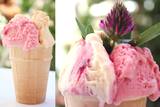 |
The family enterprise (formed in 2006) makes home-made ice-cream from fruit and berries. They make both classical – such as plombieres, cream, joghurt ice-creams and sorbets and nowadays cuisine’s „miracle”- sprat, blue cheese, horse-radish and potato ice-cream with tomato sauce. Till now 80 different ice-cream recipes have been tried. If you book a visit beforehand, you can have an excursion and learn everything about the process of making ice-cream from the chefs themselves. In the cafe it is possible to try different ice-cream dishes – each one with a different ice-cream sauce. The cafe also welcomes pets! Special foods: Horseradish ice cream with herring. |
|
 |
Meklējams Virgas centrā. Asprātīgā piemiņas zīme (tēlnieks R. Gabaliņš, mākslinieks R. Kalniņš) – zābaks ar diviem pretēji vērstiem lielgabaliem un lodēm vēsta par Ziemeļu kara laika notikumiem, kad 1701. g. Virgā bija izveidota zviedru karaspēka nometne. Stāsta, ka karalis Kārlis XII savu zābaku pazaudējis citā reizē un vietā - Spilves kaujā pie Rīgas. |
|
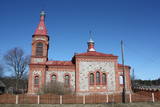 |
During restorations of the tower of the Kolka Lutheran church in the 1990s, a document was found which spoke to the conversion of many Livs to the Orthodox faith. The document was placed in the tower in 1885, when the church was being constructed, and it says that the decision by Livs to join the Orthodox church was based not on faith, "but instead as a resource for accessing advantages in relation to land." The Orthodox congregation purchased land from a local aristocrat in 1885, and in 1990, a church, manse and school were built on the land. All three buildings have survived to the present day. The church has its own congregation, and worship services are held once a month. There are news to show that Kolka is the only Liv shoreline village in which an Orthodox church was built during the 1890s. The church's bell dates back to 1936. During the Soviet era, the church was used as a mortuary, but today its original functions have been restored to it. |
|
 2 days
|
Маршрут подходит для тех, кто любит наслаждаться природными и культурными ценностями! Сказочные Слитерские Синие горы известны уже с давних времен, когда на них «пираты» жгли ложные костры, чтобы корабли налетали на мель мыса Колки. В наше время берега национального парка «Слитере» образно наывают геологическим музеем Балтийского моря под открытым небом, так как здесь можно увидеть древний берег Балтийского ледникового озера, береговой уступ Анцильского озера и дюнные образования Литоринского моря (валообразные дюны (кангари) и заболоченные междюновые впадины (виги)), которые наглядно отображают историю развития Балтийского моря за последние 10 000 лет. Этот берег исторически населяли ливы, рыбацкие поселки которых являются значимой культурной средой одного из самых малых национальных меньшинств в мире. Маршрут на участке от Мазирбе до Колки ведет по старой прибрежной дороге, которая петляет через ливские поселки – Кошрагс, Питрагс, Саунагс и Вайде. Национальный парк «Слитере» – одна из наиболее флорестически богатых территорий Латвии, а мыс Колка – одно из популярнейших мест для наблюдения за птицами во время их миграции. Информация о маршруте от Latvijas Lauku forums |
|
|
|
Bērzes upes labajā krastā, vietā, kur tagad paceļas Dobeles pilsdrupas, jau 1. gadu tūkstotī p. m. ē. atradās zemgaļu apmetne un vēlāk – koka pils. Gandrīz simts gadus pils izturēja vairākus krustnešu uzbrukumus un aplenkumus, un tikai 1289. g., kad vācieši bija pilnībā izpostījuši apvidu un tālāka pretošanās kļuva bezcerīga, zemgaļi paši nodedzināja savu koka pili un neuzvarēti aizgāja uz Lietuvu. 700 gadus vēlāk, 1989. gadā, godinot zemgaļu cilšu piemiņu, bijušās senpilsētas vietā tika atklāta piemiņas zīme, ko veidojis mākslinieks Mārtiņš Zaurs. Akmenī iecirsts teksts: “Zini, no šīs vietas pirms 700 gadiem zemgaļi aizgāja lepni un brīvi”, kā arī dzejnieka Viļa Plūdoņa vārdi : “Mēs svešā malā ejam, bet sirds mums paliek te”. |
|
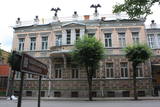 |
Atrodas Rīgas ielā 8 – skaistā, 1883. g. celtā jūgendstila ēkā . Muzejs (viens no Latgales lielākajiem un vecākajiem) tajā darbojas no 1959. g. (pats muzejs dibināts 1938. g.) un tā krājums vēsta par Daugavpils un tās apkārtnes vēsturiskajiem notikumiem. Tajā regulāri tiek rīkotas arī tematiskās izstādes, piedāvātas muzejpedagoģiskas programmas. Te vēl var apskatīt Daugavpilī dzimušā un pasaulē pazīstamā mākslinieka Marka Rotko (1903. – 1970.) gleznu reprodukcijas, kuras no 2013. gada plānots pārcelt uz M. Rotko centru Daugavpils cietoksnī. |
|
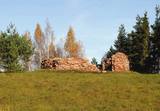 |
Swedish scanst (Kuce Hill, Jumprava Hill). Medieval fortification. The monument of national meaning
is located in the village Stari 450 m from Atspuki mill, 70 mto the Southeast from the ruins of Jumpravmuiža.
The territory is 0,7 – 1 m deep outside and 1 – 1,5 m high inside. The new road to the ruins of Jumpravmuiža
leads through the West side of the fortification.
|
|


