
| No | Name | Description |
|---|---|---|
 |
The farm keeps more than 250 chickens and produces home-made ice-cream. We offer tours of the farm, ice-cream tasting, a story about the history of ice-cream. |
|
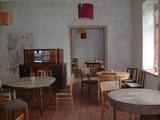 |
The manor was established in the 19th C. Today its mansion houses a restaurant where chefs cook affordable and simple dishes from local produce following principles of Estonian cuisine. Menus are always displayed and daily updated on the website, motorists in transit and group bookings are equally welcome. |
|
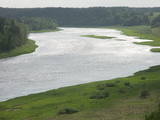 |
The Dinaburga trail first goes downhill, and then it quickly goes uphill to the steep shores of the Daugava river. Among a set of gullies, there is the Naujene (Vecpils) castle hill – some 25m high and the “cradle” of the city of Daugavpils. The ruins of the castle are still visible, and a unique open-air model of the old Dinaburga castle has been prepared. There is a lovely view of the Daugava river valley, and the visitor can expect to spend 20 minutes to an hour here. Objects are located in a protected area of Augšzeme landscapes and in the Curves of Daugava nature park.
|
|
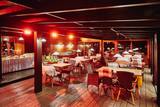 |
The restaurant is at the edge of the Vidzeme Highway (A2). It is a lovely log building with a straw roof and an antique interior. Dishes are based on ancient traditions merged with the requirements of modern clients. Latvian cuisine: Cold soup, dumpling soup, grey peas with bacon, wheat grain porridge, lampreys in mustard sauce, pike-perch grilled on coals, roast pig’s ear, roast pork leg, chicken livers in a creamy sauce, stacked rye bread, cottage cheese dessert with cranberry sauce. |
|
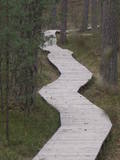 |
One of the most attractive and informative nature trails in the environs of Rīga. It leads the visitor around the 17-metre Ragakāpa dune, which is most interesting. People can learn about the habitats of the dune areas and the plants and animals of the area. Some of the pine trees are as much as 100 years old and more. The trail is 2km long in each direction and will take some two hours to traverse. This is part of the Ragakāpa nature park.
|
|
 |
Atrodas Cenas tīreļa dabas takas sākumā. No tā labi pārskatāma kūdrā izstrādātā Cenas tīreļa neliela daļa. |
|
 |
Traķu pussalas pils austrumu mūrim pieguļ ar mežu apaudzis iespaidīgs pilskalns (uzved koka kāpnes) – t.s. Upurkalns, kurā pirms mūra pils celtniecības stāvējusi koka pils. 1779. g. dominikāņu mūki sagrautās Pussalas pils vietā uzsāka baznīcas celtniecību. Jau vēlāk – 1822. – 1823. g. vienā tās daļā uzcēla dominikāņu klosteri, bet otrā – kapelu. 1990. g. šeit izvietoja Traķu vēstures muzeja administrāciju, bet 2005. g. kapelā izveidoja Sakrālās mākslas izstādi. 2011. g. ēku kompleksā notika vērienīgi rekonstrukcijas darbi. |
|
 |
This facility is on the southern shore of Latvia’s second-largest lake with a lovely view of it. Lettigalian foods are prepared from local ingredients, some of which are grown on site. |
|
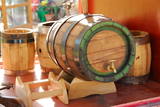 |
The craftsman manufactures barrels, hot tubs, furniture, stairs, doors and other useful objects. You can take a tour, learn about the relevant skills and experience, and help in manufacturing something that will be of use in the household. You can watch how barrels are made from start to finish, and also try your own hand at the craftsmanship. |
|
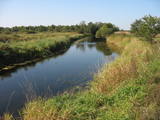 |
Palieņu un mitrās pļavas abos Dubnas upes krastos, kuras nelielā posmā var vērot no Rožupes - Vārkavas ceļa. Piemērotā laikā šeit dzirdēsiet griezes balsi, kas ir Eiropā izzūdoša putnu suga.
|
|
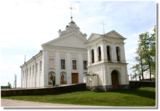 |
The Bebrene Catholic Church is opposite the Bebrene Estate on the side of the Ilūkste-Birži road. Work on the church began in 1797, but it was only completed in 1883. The outside of the church is in the style of Classicism, while the interior was designed in Baroque forms. The interior of the church can be viewed during worship services. |
|
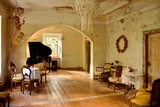 |
Iespējams apskatīt Kroņvircavas muižas kompleksu, kas bija pēdējā Kurzemes un Zemgales hercoga Pētera Bīrona lauku īpašums ar pili. To pēc hercoga pasūtījuma 1776. - 1785. gadā būvēja galma arhitekts Severīns Jensens. No hercoga pils līdz mūsdienām saglabājies vienīgi ziemeļaustrumu korpuss un virtuve kā atsevišķa ēka. Vispilnīgāk no muižas kompleksa ēkām saglabājušās Kavalieru māja, Pārvaldnieka māja, kurā tagad vietu radis projekts “Muižas istabas”, klēts-magazīna, stallis. Kroņvircavas muižas apbūve ir Valsts aizsardzības objekts. Pili ieskāva liels baroka stila parks ar ūdens parteru, kas kā muižas dārzs sākts ierīkot 1693. gadā. Šobrīd “Muižas istabās” saimnieko ģimene, kas vēlas saglabāt autentiskās mājas vērtības, iedzīvināt džezu uz “Muižas istabu” improvizētās skatuves, izstādīt mākslinieku darbus un svinēt svētkus. Aicinām apmeklēt vēsturiskā un kultūras mantojuma interesentus dzīvās mūzikas pavadījumā atklāt Vircavas bagāto vēsturi, ģimenes piedzīvojumus ar 250 gadīgo namu un sajust īpašo atmosfēru, ko novērtējuši daudzi mūsu apmeklētāji. |
|
.JPG?size=160) |
This park was established mostly to protect a wide range of cultural and historical objects such as the Trakai lake castle, the ancient Trakai cloister, the Užutrakai castle, the Bražole castle hill, the heritage of ancient local tribes, etc.
|
|
 |
A tea house in Alsunga that offers to taste delicious herbal teas and home-baked cakes, as well as enjoy cultural events and a truly unique traditional Latvian herbal tea ceremony. |
|
 |
SIA Mikaitas is a family company that was established in 2005 and breeds purebred sheep. It provides seed for other herds to breed fast-growing lambs with excellent taste. The farm breeds the Oxforddown breed of sheep and sells lambs of various ages, breeding sheep and rams, yarn, wool products, processed sheepskin, sheep, mutton and various meat products. |
|
 |
Jõeniidu is a small, lovely family farm offering accommodation and meals from vegetables grown on its farm and goat's milk. |
|
 |
Taka, kas izveidota Lemmjegi (Lemmjõgi) un Raudnas (Raudna jõgi) satekas vietā, iepazīstina ar palieņu pļavām un veciem pārmitriem mežiem, kas ir vieni no lielākajiem Igaunijā. Takas sākumā dominē atklātas lauku ainavas. Viens no 4,9 km garās lokveida takas apskates objektiem ir Lemjē dižozols. Mitrā laikā noderēs ūdensizturīgi apavi. |
|
 |
The bistro is 130 m from the Bērzkrogs crossing (opposite the Statoil petrol station). It works with local producers of ingredients that can be tasted or bought at the bistro. Souvenirs are also available. Latvian cuisine: Grey peas with bacon, grit porridge. |
|
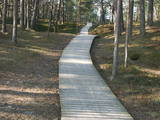 |
Plieņciema taka atrodas dabas liegumā "Plieņciema kāpa" starp Plieņciemu un Ķesterciemu. Pāri kāpai ir izveidota laipu taka un atpūtas vieta. Taka ir izveidota, lai mazinātu negatīvo ietekme uz Plieņciema kāpas dabas vērtībām – zemsedzes nomīdīšanu, piegružošanu ar atkritumiem, braukšanu ar autotransportu.
|
|
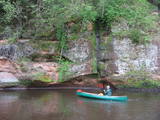 |
The Brasla River flows through a lovely valley that is approximately 300 m wide and up to 30 m deep. It is near the Inčukalns-Valka highway. The river has among the most beautiful rapids in the country, with mighty cliffs (the Brasla cliffs) that can be seen at nearly every curve in the river (except along the lowest reaches of the river). During the winter, various unusual frozen waterfalls can be seen in some of the cliffs, including the Krauļukalns cliff and the Jāņavārti cliff. On the left bank of the Brasla, opposite the Brasla fish farm, there are the Aņīte cliffs -- a series of sandstone cliffs that are 1 km long. The cliffs are between 2 and 35 m in height, and the sandstone cliffs are separated by ravines. On the right bank of the Brasla, there are major cliffs such as the Vāršavu cliff, the Kraukļukalns cliff, the Jāņavārti cliff, the Slūnu cliff, the Virtaka cliff and the Buļi cliff. How can you best learn about them? Boat down the river from the aforementioned highway or even from Straupe, which is further upstream. An alternative is hiking down the right bank of the river, though please take into account that the terrain is fairly extreme, and you are going to have to think about what to do when you arrive at the place where the Brasla River flows into the Gauja. |
|


