
| No | Name | Description |
|---|---|---|
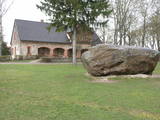 |
The museum is in the Lielvārde Park. It is in the granary of the Lielvārde Estate that was built in the early 19th century. It was later used as a residential building. A veranda was added to it in 1922. The museum has been there since 1970, and it features exhibits about the Latvian national epos “Lāčplēsis” and its author, Andrejs Pumpurs (1841-1902). The museum also features information about the history and ethnography of the Lielvārde Administrative District. Alongside it is a large rock that weighs around 80 tonnes and is known as Lāčplēsis’ Bed. A broken part of the rock is known as the Lāčplēsis blanket. Both rocks were once on the banks of the Daugava River next to the Lielvārde island. Waters from the Ķegums hydroelectric power plant now make waves in that area. Nearby is the so-called Spīdala log that was brought from Aizkraukle.
|
|
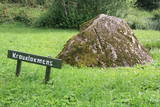 |
Rīgas – Daugavpils šosejas (A 6) malā (vietā, kur no Zemkopības institūta nogriežas ceļš uz Skrīveriem) redzama zema ieplaka ar Kraukļu akmeni, kas ir sena kulta vieta. Pie akmens veikti arheoloģiskie izrakumi, kuru laikā atrastas senlietas. Vecākā ir no 12. gadsimta. Akmens aprakstīts slavenajā Andreja Upīša (1877. – 1970.) darbā „Sūnu ciema zēni”. |
|
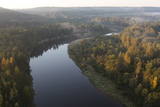 |
Eine der eindrucksvollen Reliefgestaltungen im Baltikum. Bei Sigulda erreicht das Urstromtal eine maximale Tiefe von 85 m ( Breite ung. 1 km). Schöne Sandsteinaufschlüsse aus dem Devon ist ein Anziehungspunkt. |
|
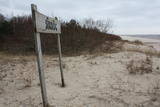 |
This is one of the oldest Livonian villages, recorded in documents for the first time in 1387. The old road from the Dundaga Estate to Sīkrags existed in the Middle Ages. During the 17th century, Sīkrags was one of the most important small ports in Northern Kurzeme, receiving ships from England, Holland and Lubeck that carried coal, grain and other products. Before World War I, there were five sprat smokehouses in the village, and some 55 fishermen lived there during the 1920s and 1930s. Among those to have been born in Sīkrags was the Livonian cultural activist Hilda Grīva (Cerbaha, 1910-1984), seafaring captain Kārlis Anbanks (1884-1937), Baptist preacher Kārlis Lāceklis (1904-1970), linguist and tradition specialist Pēteris Dambergs (1909-1987), and graphic artist Baiba Damberga (b 1957). Today the village is a cultural monument of national importance. It is crossed by a bike route, with a commemorative stone where the narrow-gauge railroad station once stood. Sīkrags, like neighbouring villages, is in the Slītere National Park. |
|
 |
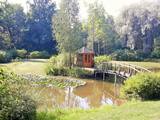
The garden is located on the very bank of the River Gauja, near the Valmiera Castle ruins. A story about the use of plants in preparing meals. Bread, gingerbread baking, cheese making programmes. |
|
 |
One of the oldest botanical parks in Lithuania, this one was opened by Izidoras Navidanskas in 1928, when he was only 16. In 1965, the park because the Žemaitija botanical park, and Navidanskas and his son, Rapolas, who is the current owner, did a lot to expand it. |
|
 |
An afforested island in the Gulf of Finland, approximately 14 km to the North of Tallinn. There is a network of small roads and trails on the island. Forests: Mostly 1.1, 1.2 and 4.2. Information: www.aegna.ee. A ferry boat to the island departs from the port at Pirita. Hike around the shore of the island, where you will find all kinds of environments – dunes, sandy areas, rocky areas and places with lots of reeds (~9 km). |
|
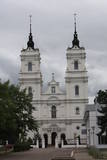 |
Atrodas t.s. Baznīcu kalnā - A. Pumpura ielā 11 a. Varenais neobaroka stilā celtais dievnamu tapis 1905. g. Pastāv viedoklis, ka par šīs baznīcas prototipu izmantotas Aglonas vai Krāslavas bazilikas, kā arī Rietumeiropas baznīcu paraugi. Tās interjeru rotā divstāvīgs altāris, kurā novietota spāņu gleznotāja B. E. Muriljo pazīstamās gleznas “Svētā Dievmāte” kopija. 1909. g. baznīcā uzstādīja poļu meistara Ādolfa Hofmana būvētās ērģeles.No būvniecības laika saglabājusies arī pārējā baznīcas iekārta. |
|
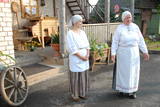 |
At this museum, you will learn all about the baking of bread from grain to loaf, and you can make your own loaves, too. You can taste bread and herbal teas. There are theatrical performances related to christenings, weddings, birthdays, etc. Local foods such as dumplings and soups made of dried mushrooms or lake fish are served. The museum sells freshly baked bread, as well as the work of local craftspeople. The hostess is a master baker and a member of the Chamber of Crafts. Latvian cuisine: Lake fish soup, cottage cheese dumplings and other traditional Lettigalian dishes. Special food: Soup of dried mushrooms. |
|
 |
Atrodas Burtnieka ezera austrumu krastā – uz ezera poldera dambja. Pavasara un rudens migrāciju laikā – laba putnu vērošanas vieta. Putni redzami ne tikai ezera piekrastē, bet arī poldera mitrajās pļavās. |
|
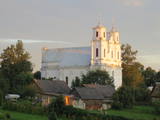 |
The largest town in South-Eastern Latvia is on the banks of the Daugava River, which is the border between Latvia and Belarus at this location. The border runs down the middle of the river. Piedruja has two parts – Piedruja and Aleksandrova, which are separated by a central street (the V 631 road). Piedruja emerged from the Druja town that was on the left bank of the Daugava. During the 17th century, the two parts were owned by the Stapekha dynasty of Lithuanian aristocrats. It is worth strolling through the town, because the low-level wooden houses are reminiscent of buildings that are exhibited in open-air ethnographic museums. Piedruja is neat and tidy, with two churches and the Daugava rock that are part of a local hiking trails. Aleksandrova has a tourist accommodation, “Piedruja,” which offers special soirées in the Lettigalian, Russian and Belarusian style. Please be aware that you need a temporary permit to enter the border zone. The Border Guard facility is in Piedruja and at a place where there was a Daugava crossing point comparatively recently. |
|
 17 days
|
The route leads through the Gauja National Park which is located on both sides of the ancient Gauja river valley. Sandstone cliffs and caves, hilly landscapes and deep forests and castles are characteristic of the park. Further on at Igate Manor stop for a lunch at their mill tavern to taste traditional Latvian food. The route turns towards the coastwhich belongs to the North Vidzeme Biosphere Reserveand continues through old Estonian fishing villages before arriving at the seaside resort of Parnu with its elegant villas. Next is a guided wilderness day in Soomaa National Park trying old-fashioned bog-shoeing and canoeing. Further on the route you will pass Pootsi with a 19th century manor and the ancient village of Varbla. Take a ferry to Muhu island and stay in the ethnographic fishermen's village of Koguva for a couple of days to explore the area. Cycle across the causeway to Saaremaa island from where you can take a ferry to laid-back Hiumaa island for a day trip to get a feeling for the true spirit of Estonia. Back on Saaremaa there is time for a free day in its capital, Kuressaare with plenty of spa and relaxation facilities. Then by bus head to Tallinn, charming with its medieval Old Town. From there enjoy a day trip to the former military base of Naissaar island where special cycling routes showcase its military history, mine and nature reserves. |
|
 |
Located in Vihula Manor Country Club&Spa complex, in the historical Ice Cellar, a rustic Estonian countryside tavern, is seating up to 100 guests on 2 floors. The tavern is featuring limestone walls decorated with old farm tools, wooden beams, waitresses in traditional Estonian customs, Estonian folklore music, traditional Estonian countryside cuisine based on natural and ecologically balanced produce and a large selection of beer and ale. The tavern offers traditional Estonian buffet lunch and dinner specifically designed for groups and also the possibility to book a folkloric dance show or traditional Estonian live music. |
|
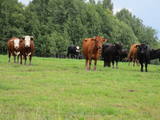 |
The farm breeds breeding cows (Galloway, Hereford, Limousine, Charolais and Latvian brown species). You can take an informational tour and watch the feeding of calves. |
|
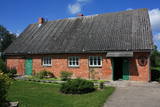 |
The Aknīste Regional Research Museum is at the corner of Skolas and Miera streets in Aknīste. It is another location which will very much help you to learn about the culture and history of the Selonian region. The museum was established in 1998 and featured antiquities from the Iron Age and Bronze Age, as well as objects which speak to distinguished people from the region and Selonian culture. It is worth looking at the collection of ancient Selonian dishware. |
|
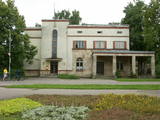 |
The building was erected during the first period of Latvian independence, and it maintained its functions for a long time. The building is located at Tukuma Street 30. Beginning in 1940, the post office had an automated telephone central. The Postal Service no longer uses it, and the building can only be viewed from the outside. |
|
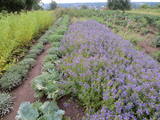 |
The farm is along the upper reaches of the Daugava Ancient River Valley, and it offers more than 100 types of plants, including decorative plants, herbs, medicinal plants and traditional Latvian farm plants. You can tour the largest field of so-called Northern kiwis in Latvia. Take a tour, purchase plants, taste teas, fruits and berries, and receive consultations from the owner. |
|
 3 days
|
Saaremaa, kas no igauņu valodas tulkojumā nozīmē "salu zeme" ir kā neizskaidrojams magnēts, kas ik vasaru pievelk ne tikai daudzus Latvijas, bet arī ārvalstu ceļotājus. Neparastais ar salām izraibinātais un zilais jūras klajs, savdabīgās kadiķu pļavas - alvāri, seni, neredzētas formas Dievnami, Baltijas tautām nozīmīgi vēstures pieminekļi - pilskalni, pils, nepieredzēta sugu, īpaši - putnu bagātība, vējdzirnavas, Eiropas iespaidīgākais meteorīta krāteris, senie zvejnieku ciemi ar salenieku parašām un īpatnībām - tās ir tikai dažas salas iezīmes. Salas galvaspilsēta - Kuressaare ir viena no skaistākajām Igaunijas mazpilsētām ar senu rātsnamu un rātslaukumu un vienu no iespaidīgākajām viduslaiku pilīm Baltijā, kurai pēc izskata nav līdzīgu. Kuressaare vērts pasēdēt kādā no pilsētas krodziņiem. Saaremaa salā ceļotāji tiek gaidīti vienmēr, par ko liecina labi pārdomātā un kvalitatīvā tūrisma infrastruktūra. Sala ir īsta paradīze ne tikai mierīgas atpūtas meklētājiem, bet arī visa veida aktīvās atpūtas piekritējiem - kājāmgājējiem, velobraucējiem, jūras viļņu vagotājiem un dabas vērotājiem! |
|
 1 day
|
Dodieties ekskursijā, lai gūtu ieskatu lauku profesijā un dzīvesveidā, kā arī iegūtu jaunus iespaidus un labu atpūtu visai klasei. Ekskursijas laikā apmeklējiet cigoriņu kafijas ražotni, kur kafija tiek ražota pēc senām receptēm. Pēc tam dodieties uz piemājas saimniecību, kur saimnieks parādīs govis un piedāvās saldos ķiršus un ābolus no sava dārza. Saukas dabas parka teritorijā, pie Saukas ezera, apmeklējiet lauku māju - kultūrvēsturisko pieminekli, kur, iepriekš piesakot, ir iespējams nobaudīt uz ugunskura vārītu zupu. Visbeidzot - saimniecība, kur plašās teritorijās audzē ābolus, bumbierus, plūmes, ķiršus, zemenes un upenes. Iespēja iegādāties produkciju un piedalīties ražas novākšanā. |
|
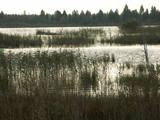 |
Peat moss has been extracted from the Seda heath since the middle of the last century, but it is nevertheless one of the most important NATURA 2000 territories in Latvia, with a great diversity of landscapes, biotopes and biology – birds in particular. This is a good place for bird-watching during migration season, and viewing towers have been set up on the edge of the swamp for this purpose.
|
|


