
| No | Name | Description |
|---|---|---|
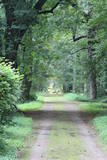 |
This is the oldest arboretum in Latvia. It was planned by the owner of the Skrīveri Estate, Maximmilian von Sievers (1857-1919). It has to be said that before World War I, there were two times more species of plants in the park than is the case now. The plants are grouped in accordance with the geo-botanic regions of the world. There are trails in the park, and signs showing the Latvian and Latin name of each plant are there, as well. There’s a fountain which is operated from every hour on the hour from 11:00 AM until 11:00 PM from Tuesday until Sunday. On the other side of the Rīga-Daugavpils highway is the Skrīveri Forest Park with hiking trails.
|
|
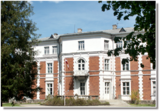 |
The Bebrene Estate features an ensemble of Baroque buildings from the late 19th and early 20th century. The dominant building is the mansion of Count Plater-Sieberg, which was built in 1896 after a design by the architect L.J.L. Marconi. It is home to the Bebrene High School today. Surviving to the present day are the ornate gate and the unusual stone fence of the estate. The regular-design park which surrounds the mansion features a wealth of foreign trees. |
|
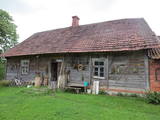 |
The master craftsman produces wooden spoons of linden and birch, as well as sauna switches with apples. You can watch him at work, try your own hand at making a spoon, purchase finished products, tour a collection of spoons, and also visit the old farm buildings. |
|
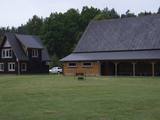 |
Just 20km from Valmiera down the river Gauja in Gauja National park theritory we own fabilous place for lovers of leisurely holidays with good active tourism possibilities. Main building with kitchen, shower, WC and higher standard accomodation possibilities. Big shelter with lodges next to it. Big area with fireplace. Sleeping facilities in 2 nd floor and some extra sleeping facilities and big shelter in separate building. There are You can find marked bicycle trail Valmiera-Cēsis next to the CAMP CAUNĪTES. Guests can use canoes for fishing or short tours along the river Gauja. |
|
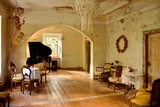 |
Iespējams apskatīt Kroņvircavas muižas kompleksu, kas bija pēdējā Kurzemes un Zemgales hercoga Pētera Bīrona lauku īpašums ar pili. To pēc hercoga pasūtījuma 1776. - 1785. gadā būvēja galma arhitekts Severīns Jensens. No hercoga pils līdz mūsdienām saglabājies vienīgi ziemeļaustrumu korpuss un virtuve kā atsevišķa ēka. Vispilnīgāk no muižas kompleksa ēkām saglabājušās Kavalieru māja, Pārvaldnieka māja, kurā tagad vietu radis projekts “Muižas istabas”, klēts-magazīna, stallis. Kroņvircavas muižas apbūve ir Valsts aizsardzības objekts. Pili ieskāva liels baroka stila parks ar ūdens parteru, kas kā muižas dārzs sākts ierīkot 1693. gadā. Šobrīd “Muižas istabās” saimnieko ģimene, kas vēlas saglabāt autentiskās mājas vērtības, iedzīvināt džezu uz “Muižas istabu” improvizētās skatuves, izstādīt mākslinieku darbus un svinēt svētkus. Aicinām apmeklēt vēsturiskā un kultūras mantojuma interesentus dzīvās mūzikas pavadījumā atklāt Vircavas bagāto vēsturi, ģimenes piedzīvojumus ar 250 gadīgo namu un sajust īpašo atmosfēru, ko novērtējuši daudzi mūsu apmeklētāji. |
|
 |
Only indirect evidence of the former tank base that was here is still available (see the story).
|
|
 8 days
|
The route brings you to Kaunas, multiple Lithuanian regional parks and allows to enjoy the landscapes of the river Nemunas. Kaunas is Lithuania’s second largest city. It is notable for its modernist architecture. The city is located at the confluence of the two largest Lithuanian rivers: Nemunas and Neris. Moving further from Lampėdžiai to Vilkija, the Forest Trail runs for two days along trails and small countryside gravel roads next to the right bank of the river Nemunas. This section is shaped by beautiful landscapes with views of the river, the waterfront meadows and small villages. Do not miss the ferry in Vilkija crossing over the river Nemunas, one of the few still in operation in the Baltic States. For the next two days from Vilkija, the Forest Trail runs through its most spectacular sections in the Dubysa Regional Park from Kirkšnovė to Šiluva with mounds on riverbanks and historical churches now and there. This regional park covers the impressive Dubysa river valley, which reaches a depth of 40 m and a width of up to 500 m. Be prepared for a rolling terrain. Next, the route will take you to the town of Šiluva – the Catholic pilgrimage site – and to the Kurtuvėnai Regional Park. It is among the most forested areas of Central Lithuania; thus, the regional park with its glaciated valleys is a wonderland of forests, waters and wetlands. The Forest Trail leads along small forest paths, tourist trails, beautiful tree alleys and wetlands. The walk ends in Šaukėnai village, from where the city of Šiauliai is easily reached. |
|
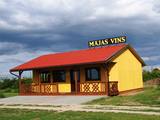 |
The owner uses Latvian products to make and offer more than 20 different wines, including some that are made of exotic flowers. You can taste and purchase wines made of berries, fruit, vegetables and flowers, including white jasmine, the elderberry tree, dandelions, the large cranberry, etc. There is a lily garden alongside which is the largest one in Eastern Europe and offers plants for sale. The day lily garden offers a look at globally famous types of day lilies which can be purchased. Many of these have been developed by the originator of the garden, Varis Baņģieris. More than 1,000 types of day lilies can be seen and purchased. The garden is open from 9:00 AM until 7:00 PM every day in July and August, when the flowers bloom. The owner also offers tastings of homemade wine that is called "Vējkalnietis." |
|
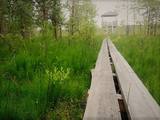 |
Taka ved cauri mežam uz skatu torni purva malā. Takā apskatāma Nāzara priede –priede, pie kuras 1905. gadā nošauts dumpinieks, pati priede – ekoloģiskais koks ar dzilnu kaltiem dobumiem, nokaltusi. Melnalkšņu dumbrājs - slīkšņa ar cūkaušiem un puplakšiem. Oleru purvs no skatu torņa – pārejas un sūnu purvs, kas izveidojies nolaista ezera vietā. Papildus objekti blakus takai, pieejami pa ceļu – Oleru muižas komplekss, Krustakmens, Oleru muižas kapi. Kopējais takas garums: 1,1 km. |
|
 |
Lapsu Mājas sieri tiek gatavoti Ogrē. Godinot latviskās tradīcijas, tos 2013. gadā kā mazais mājražotājs sāka siet Jānis Lapsa savā mājas virtuvē. Lapsu Mājas sieru gatavošanas process ir 101% roku darbs - sākot no sieru masas gatavošanas līdz pat iepakošanai. SieriMājas siers ar samazinātu sāls daudzumu no govs piena (pieejami ar 27 dažādām garšām). Šiem sieriem ir piešķirta kvalitātes zīme "Zaļā karotīte". Bezlaktozes mājas siers ar samazinātu sāls daudzumu no bezlaktozes govs piena. 2021. gadā kā pirmie Latvijā sāka ražot bezlaktozes mājas sierus no govs piena. Jāņu siers ar sviestu vai ar saldo krējumu. Kā top siersTā kā siers tiek ražots pilsētas teritorijā, piena produkcija tiek iepirkta. Sieriem ar samazinātu sāls daudzumu un Jāņu sieram produkcija tiek iepirkta no piena pārstrādes uzņēmuma “Straupe”. Bezlaktozes sieriem produkcija tiek iepirkta no AS “Jaunpils pienotava”. Savukārt olas tiek iegādātas no Ropažu zemnieku saimniecības “Rasas”. Apmeklētājiem
Kur iegādāties sierus
|
|
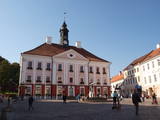 |
Formed on the left side of river Emajõgi, in the valley of Doma Hill. The centre of The Old Town of Tartu is Town Hall Square with Town Hall and the fountain "The Kiss of the Students" (symbol of the city). |
|
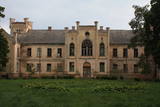 |
A very impressive ensemble that is in terrible shape. The estate dates back to the 18th and 19th century, with the castle being built in the early 19th century. Half a century later it was rebuilt in the Neo-Gothic style with symmetrical towers and bricks in the cornices. The estate belonged to the Manteufel-Stzege dynasty. The vestibule, stairwell and second floor hall still have ornamental ceiling paintings, but visitors are not allowed to enter the building, so they cannot be seen. Valuable interior design elements include a fireplace from the early 19th century that is decorated with marble elements. After the expropriation of the castle in 1920 and until 1951, the building housed a forestry school and then an agricultural crafts school. Opposite the castle was the stable of the state that was built in the style of Classicism with a pediment and mighty columns. Built in the early 19th century, the stable is no longer used and can only be viewed from the outside. A very much overgrown park surrounds the complex, and the hillock is the grave of one of the baron’s dogs.
|
|
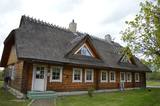 |
Tihuse farm on Muhu Island is engaged in horse breeding; this place also offers authentic food and a special menu for people with various food intolerances. It is very popular to take a horse ride, followed by a picnic. Lentil cakes are our special treat. |
|
|
|
One of the three highlands of Southern Estonia with scenic hills and beautiful sights. In its center lies the bay-rich Lake Pühajärv (translating from Estonian - Holy Lake). |
|
 |
The farm shows traditional rural life activities, raising sheep and Estonian Blackhead sheep. A heritage trail on the farm takes in a sacred grove, ancient burial sites and fields, and we tell stories of ancient Estonians and history of the farm. Handicrafts are displayed and wool workshops are offered. |
|
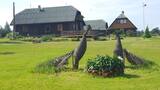 |
Accommodation in a country house for up to 40 people (with extra beds). Sauna and bathhouse services, party room, outdoor recreation - swimming in ponds, fishing, sports and recreation grounds. The hosts offer to taste dried fish or fish soup, also from your own catch. There are 17 fish ponds for fishing. In "Paradises" it is also possible to organize celebrations in the open air, as well as to spend the night in tents. |
|
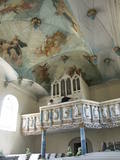 |
The Apriķi Lutheran Church is, for good reason, known as one of the most beautiful churches in Kurzeme. It was owned by the Osten-Zacken dynasty in the past, built in the 17th century, and rebuilt in 1710. The wooden interior is in the Rococo style with elements of the Baroque, and it dates to the mid-18th century. It is amazingly ornate. The beautiful ceiling paintings, which were produced by a Prussian painter called Rode, were painted between 1744 and 1746. |
|
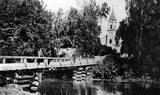 |
On the right bank of the River Pēterupe is one of the historical areas of Saulkrasti – Pēterupe Village. It is believed that the village began to form around a chapel during the so-called Swedish or Catholic times. The chapel was named after the Apostle St. Peter, and therefore the river and the village also carries his name. Pēterupe Village can be considered the oldest village in the Saulkrasti region. The oldest witnesses of the origin of Pēterupe Village are: Rectory, Pēterupe Evangelical Lutheran Church, Outpatient Clinic and the wooden buildings in the old village centre. |
|
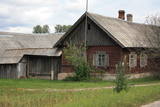 |
Apdzīvota vieta ~ 1 km dienvidos no Daugavpils – Krāslavas (A 6) ceļa, kas pazīstama ar savu neparasto nosaukumu. Interesanti, ka vietvārds saistīts arī ar iedzīvotāju uzvārdiem, ko var redzēt tāda paša nosaukuma kapos. Ciema apkaimē pazīstams ir Lielo Muļķu svētavots, kuru gan nezinātājam ir grūti atrast, tādēļ ieteicams izmantot vietējā gida pakalpojumus, apvienojot šīs vietas izziņu ar biškopības saimniecības „Cīruļi” apskati. |
|
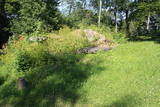 |
The Lašu castle hill is 0.2 km from the Vecumnieki-Ilūkste road at Laši. It is an ancient Selonian castle hill, and it was populated between the 1st millennium BC and the 10th or 12th century. Very little remains of the old Veclaši (Tiesenhausen) Estate, which had an impressive mansion designed in the Neo-Gothic style in the late 19th century. What remains are an ancillary building, the foundations of the mansion, fragments of the gates, and a park. Until 1920, the estate belonged to the Pshezdzetski dynasty, and before that it was owned by the Tiesenhausen and Fittinghoff dynasties. Before visiting the location, look for photographs of the old mansion on the Internet. Sadly, the important cultural monument has not experienced any major improvements over the past 20 years.
|
|


