
| No | Name | Description |
|---|---|---|
 |
A relaxed café in Ādaži with a terrace that offers a wide panorama over the banks of the River Vējupe and is the perfect spot for enjoying beautiful sunsets. Modern world cuisine with salads, snacks, soups, rich main courses, burgers, and soft drinks. |
|
 |
"Dobele Agra S.I.A." ir moderns, nākotnes perspektīvā domājošs lauksaimniecības uzņēmums Latvijā. "Dobele Agra S.I.A.", kas atrodas netālu no Dobeles - Krimūnās, kā viens no lielākajiem aramzemes apstrādātājiem Latvijā pašlaik apstrādā apmēram 5 800 ha lauksaimniecības zemes Dobeles un Jelgavas rajonos. Uzņēmums specializējas graudaugu audzēšanā pārdošanai vietējos un starptautiskajos tirgos, tādējādi gadā tiek saražotas apmēram 20 00 - 25 000 tonnas graudaugu, no kuriem lielākā daļa ir kvieši mieži, rapsis un pākšaugi. Pārsvarā tiek audzētas ziemas šķirnes. |
|
 |
This restaurant-burger shop specialises in 100% Latvian beef burgers, selected pizzas and natural french fries. |
|
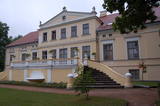 |
The residential building of the manor house was built in the 19th century. In 1932, so neglected manor house was bought by the Latvian press king A. Benjamiņš. Nowadays, the manor house is owned by the Benjamiņi family again and there is located a photo exposition of the private life and travels of A. Benjamiņš. |
|
 5 days
|
From Riga the tour goes through historic sea resort Jurmala to Pure Chocolate museum where you could see production and taste some. Then the tour goes to Sabile where there is small Wine Hill which history dates back to 16th century. You visit local wine producer who will show his gardens and talk about grape growing in the Latvian climate nowadays. Afterwards tasting of the seasonally available drinks. Then you visit small picturesque town Kuldiga and have some wine tasting there. Next day there are eco wine tasting at Aizpute and Durbe and then go to the city of Liepaja with lovely sandy beach, arty atmosphere and significant military heritage at Karaosta suburb. Then the route follows up the coast line. At Pavilosta you have a trip in traditional fishermen boat and at Alsunga singing and demonstration of local traditions by Suiti women. Culturally colourful community which heritage is listed in UNESCO. Then walk along the steep sea cost at Jurkalne and enjoy the best maintained port town of Ventspils. Next day there is a visit to local fishermen and see fish smoking process, then walk along Cape Kolka where the open sea meets the Riga Bay. Turning back to Riga you have a visit and tasting at wine maker in Talsi. |
|
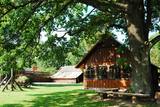 |
Vieta Suvalkijā ģimenes svinībām un atpūtai laukos. Atjaunotajā ar vēsturi saimniecībā atradīsiet etnogrāfisku un modernu interjeru elementu sajaukumu. Plaša dzīvojamā istaba ar kamīnu, oriģinālas ozolkoka mēbeles, guļamistabas ar visām ērtībām un virtuvi. Lauku pirts un kubls. Mežs pie mājas bagāts ar sēnēm un ogām. Piedāvājumā izglītojošas aktivitātes, stafetes bērniem un viņu vecākiem līksmībai, pirtnieka pakalpojumi.
|
|
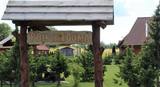 |
Peaceful place in nature for great relaxation. Food is prepared from the local ingredients of Hiiumaa according to the preferences of guests. In addition, you can enjoy a genuine wood-heated sauna and bathing barrel, children's playground. |
|
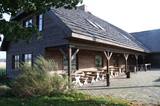 |
Located a few kilometres from Jūrkalne in a log building with a Latvian style interior. The menu includes Latvian and European cuisine, as well as fish and game meat dishes prepared from natural local produce in cooperation with local producers. Offer also includes pastries and sweets. |
|
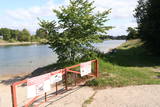 |
The Karaosta canal and its naval and submarine base date back to the tsarist era in advance of World War I. The former submarine base is now closed to visitors and is used for business purposes. The canal can be viewed from Pulvera Street and the restored Kalpaks bridge.
|
|
 |
10 km garais pārgājienu maršruts iepazīstina ar vienu no vēl retajiem, cilvēka mazāk ietekmētajiem Daugavas senlejas posmiem. Tā sākums – Aizkraukle, finišs – Skrīveri. Gar upes krastu izvietotas atpūtas vietas. Maršrutu var braukt arī ar velosipēdu. |
|
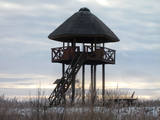 |
A island in the delta of Nemuna. Etnographical museum, Uostadvaris lighthouse, bird watching tower. |
|
 |
Handicraft house Heltermaa is a local Hiiumaa grocery and handicraft shop, open during the summer season. The selection is very wide, starting from ceramic dishes and ending with Hiiumaa lemonade. |
|
 7 days
|
We strart the tour from Riga by bus and proceed along the Baltic Sea coast, passing through many different landscapes - white sandy beaches, coastal meadows, dunes with pine forests and steep banks. Many beaches are wild and completely deserted. Access to these territories were highly restricted during Soviet times. The route leads through ethnographic fishermen villages at Nida, passing Pape nature reserve where wild horses graze. The bustling city of Liepaja impreses with its lively promanade and music scene. The city also has a long military history which can cleary be seen walking among the naval fortifications and visiting the former millitary town. Well-maintained Ventspils has a pleasant market, castle and numerous parks. A restored narrow-gauge railway with working steam engine is well worth a visit as well as the Craft House - ideal for local handmade souvenirs. On the way back the tour goes through the pretty provincial town of Kuldiga with well- preserved wooden architecture. The tour includes two of the most interesting national parks: Slitere which holds the geological history of former ages and Kemeri with its great heath trail and sulphur springs. |
|
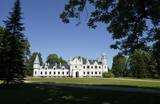 |
The Castle was restored recently and now exhibits life and history of a noble family on three floors. Tour guides have numerous stories and legends to tell, visitors can make their personal castle souvenirs. |
|
 |
A unique theme park on the River Pirita evokes interest in ancient Vikings. Facilities include: stronghold, chamber of spells, smithy, Viking boat and dugout canoe trips, shows and battles with ancient weapons, a catapult, archery, axe throwing, cave and smoke saunas, trout fishing, accommodation, catering etc. |
|
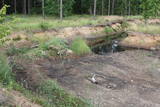 |
Nature restricted area has been established in old and overgrowing gravel pit and where rare species in Latvia - Natterjack toad (Bufo calamita) can be found. Natterjack toad needs open sand – gravel area therefore the population of it is decreasing once gravel pit is overgrowing by bushes. The population of this amphibian is depending on the activity of people in the area. There is very little chance to find Natterjack toad just by entering the restricted area, therefore please respect this area as especially sensitive.
|
|
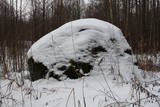 |
The historic stone, on which there is carved over 200 years old boundary-mark, sets the border between the Duchy of Courland and the Russian province. Nowadays, it sets the Babīte and Jelgava district boundary. The stone lies to the East of Kalnciems–Peat road (the south of the swamp Labais purvs) at the edge of a forest firebreak and it can be hard to find. To this end, the description of the road map may help: around 400 m south of the car parking lot at Lily Lake from Kalnciems-Peat road to the right (in the east) turns a forest road which leads down from hills Krāču kalni. It should be around 170 m to go until it abruptly turns to the right (to the southeast). Then you must go in this direction until after ~ 0.5 km to turn to the northeast where after further ~ 0.4 km of the current forest road intersection turn to the north. After ~ 0.4 km turn right (to the east) on a big firebreak, on the left (the north) side of which behind the drainage ditch during the non-leaf period there can be seen a rounded stone. Due to the poor condition of roads, the stone can be reached only on foot. |
|
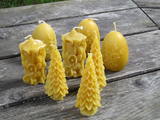 |
This farm is an apiary, with hives of bees gathering honey. The farm has won prizes for its products. You can take a tour and learn about the lives of bees and beekeeping products, make your own wax candles, or attend educational seminars. |
|
 4 days
|
The trip starts in Kuldīga – a jewel among the old towns in Kurzeme. The town centre is home to historic buildings dating back to the 17th – 19th century. Cobbled streets of Kuldīga, old buildings, the river Alekšupīte, running through the town, St. Catherine’s Church and organ music concerts in it, gourmet restaurants and a country delicatessen shop in the town centre is a great travel experience to enjoy in a leisurely ambience of a small town. The red-brick bridge over the river Venta is a landmark of the town. The widest waterfall of Europe, Ventas rumba (width ~100 m) lies on the Venta. Venta river promenade is a popular place for walking along the riverbank. A private transfer will take you from Kuldīga to the village of Snēpele, where you will start your hike. The trail will take you to the Pelči Manor, the manor park and the deer park next to the guest house “Mazsālijas”. Next, the Forest Trail will lead you through the Abava River Valley Nature Park up to the town of Sabile. The latter is home to a winery and cider house “Sabiles Sidra nams”, which offers tastings and sells the local wine and cider. The section along the Abava River Valley Nature Park is the most diverse in terms of landscape and terrain of a river valley in Kurzeme. The river valley with its numerous habitats and vast biodiversity reaches a depth of 30–40 m and is more than 300 m wide. One will find springs, waterfalls, rock outcrops, and boulders here. After the Forest Trail has meandered through meadows, oak forests and hillocks it finally reaches the town of Kandava. |
|
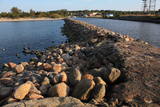 |
Molu (sākotnēji – pāļu rindas ar akmeņu krāvumiem) izbūve pie Sakas ietekas jūrā tika uzsākta 1878. gadā, lai nodrošinātu ostas darbību. 1929. gadā notiek molu pārbūve, pagarinot tos ar masīviem betona blokiem. Pēdējā rekonstrukcija notika 2010. gadā, pārveidojot molus par ērtu pastaigu un makšķerēšanas vietu, no kuras var vērot arī saulrietu. |
|


