
| No | Name | Description |
|---|---|---|
 |
The property is located in the picturesque Karula National Park (Karula Rahvuspark). Here you can have a meal and spend the night. The food is mainly prepared from local ingredients in the household kitchen. The farm also breeds bulls. |
|
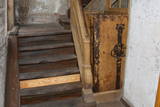 |
Находится на ул. Базницас, д. 17. Здание построено в XVII веке, как жилой дом кулдигского бургомистра. В 1701 году здесь гостил король Швеции Карл XII, который в передней оставил огромный сундук (2 х 2,5 м), на который после реставрации можно взглянуть и сегодня. |
|
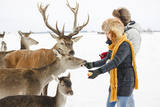 |
"Barono Vila" is a corner of paradise with a large and deep fishing pond, deer in enclosed meadows, sheep, forests rich with mushrooms and berries, clear lakes and the curves of the Sventāja River, which are popular among tourists. The restaurant offers fresh, tasty and high-qualified food made of venison and mutton, as well as oven-baked Lithuanian rye bread and the house speciality -- "Barona plov" cooked on a campfire. |
|
 6 days
|
This section of the Forest Trail leads through the entire Gauja National Park and gives an opportunity to see all the most beautiful places and sights of this national park of more than 100 km. Gauja National Park is the oldest and largest national park in Latvia. The ancient valley of the River Gauja is the deepest river valley in the Baltic states. The banks of the River Gauja reveal colourful sandstone outcrops, which are reflected in the water. The sights are most wonderful in springtime, when bird cherry trees are in full bloom, and in autumn, as the trees turn red and yellow. The ancient valley of the River Gauja has a distinctive terrain relief that can fluctuate by up to 80 m. The largest part of the road leads through forest paths, along the river, and exits the woods in Līgatne and Sigulda. Almost half of the park is covered by forest. Gauja National Park is known for the great diversity of specially protected forests, featuring herbaceous spruce forests, slope and ravine forests, as well as mixed broadleaf forests. |
|
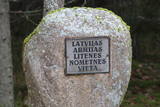 |
Name of Litene is associated with one of the most tragic pages of Latvian history. In twenties and thirties of the 20th century a Latvian Army summer camp was located nearby, where in the summer of 1941 Latvian officers faced the communist terror: Nearly five hundred officers of Latvian army were sent to Norilsk in Siberia, part of them was shot and secretly buried in the nearby forest. At the end of the summer of 1941 about 300 civilians, mostly Jews, were shot there by the army of Nazi Germany. Today, honouring the memory of people killed, memorial and memorial sites are created. |
|
 |
A small bakery that Jānis Kurpnieks, a baker with more than 20 years of experience, has set up in his father's home. More than 12 types of bread from cereals grown in Latvia. The greatest pride of the bakery is its wholemeal rye bread and sweet and sour bread, neither of which contains wheat flour. Rye bread is baked in large loaves weighing 8-9 kg and reaching up to half a metre in length. With such a loaf, the flavour “bouquet” is stronger and the shelf life – longer. Only natural ingredients and home-made sourdough, taken from the dough scraper (the dough of the previous baking), are used here for baking bread. The dough is fermented in oak tubs and the bread is baked in a proper bread oven, which is fired with softwood. |
|
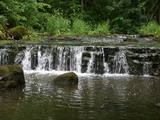 |
The ancient Abava River Valley between Kandava and the place where the river flows into the Venta River is the most expressive river valley segment in Kurzeme in terms of landscape and terrain. The valley is 30 to 40 metres deep and as much as 300 metres wide. The territory is distinguished by great diversity of a biological nature (more than 800 kinds of plants), featuring many different biotopes and natural monuments such as streams, waterfalls, cliffs, huge rocks, and many cultural and historical monumentssmall towns such as Kandava and Sabile. In both cases, the town centres are national monuments of urban construction. Popular tourist destinations include Vīnakalns hill in Sabile, where wine-making grapes are grown, as well as the open-air art museum at Pedvāle. To protect cultural treasures, a cultural and historical territory, “Abava River Valley” has been established. Wild livestock live at Drubazas and Tēvkalni to “maintain” the landscape. There are nature trails for tourists, and the Abava is the most popular river for water tourists in Kurzeme. Information is available at the tourist information centres in Kandava and Sabile. such as castle hills, churches, ancient burial grounds, and
|
|
 |
Veselībai un pilsētvidei draudzīga transporta – velosipēda lietotāji putnu vērošanas torni var sasniegt pa Ķengaraga promenādes veloceliņu. Tornī izvietoti putnu attēli, kas nezinātājiem atvieglo ūdensputnu vērošanas un atpazīšanas procesu. Redzamas plašas Daugavas ainavas. |
|
 |
Atpūtas vieta Braslas upes krastā. Tajā ir galdi piknikam, nojumes ar galdiem, ugunskura un telts vietas. Pieejamas divas divvietīgas naktsmītnes. |
|
 |
Café Ugandi is a cosy place in the very heart of Otepää, filled with a warm atmosphere, pleasant feelings, pure and delicious flavours. As soon as you arrive, you will feel the aroma of premium quality coffee and sweet pastries. The large showcase is filled with delicious cakes - you can enjoy them here or take them with you to enjoy later at home. |
|
 |
Atrodas Rīgas – Daugavpils autoceļa (A 6) 118. kilometrā. |
|
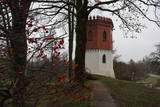 |
С XV века в Приекуле правил род баронов Корфов. Один из них – Иоганн Альберт Корф (1697 - 1766.) был президентом Петербургской Академии наук (1734 - 1740 гг.), дипломатом и литератором, который занимался исследованием истории Курземе. Приекульский замок находится на западе от улицы Айзпуте, на берегу реки Вирга. Первоначально дворец господской усадьбы построили в XVIII веке, а в конце XIX века велись большие работы по перестройке здания (проект Пауля Макса Берчи). В здании находится Приекульская средняя школа. Примерно в 100 м к востоку от господской усадьбы возвышается смотровая башня усадьбы (построена в конце XIX века), над которой развевается государственный флаг Латвии. |
|
 |
Here you will learn about the history and cultural heritage of the Liv people of Vidzeme. Tour the museum and enjoy once characteristic foods from the region – special porridge and a strong alcoholic beverage brewed in accordance with ancient recipes. If your group wishes to do so, it can take part in the baking of rye bread in a true country oven. |
|
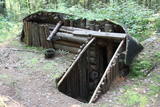 |
National partisans commanded by Rihards Pārups were very active during World War II between Vietalva and Jaunkalsnava. The team was disbanded in 1946. The dugout is at a location that is hard to find and access. It is in the nature reserve of the Veseta Wetlands Swamp. The wood pathway that leads from the East is often hidden by reeds during the summer. During the fierce winter of 2010, the roof of the dugout collapsed, but local enthusiasts plan to reconstruct it. Alongside the dugout is a white cross inscribed with the names of the partisans who lost their lives here.
|
|
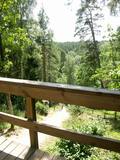 |
This is one of the most lovely and expressive castle hills in Latvia, with a very fine view of territory all the way to Lithuania. According to Ernests Brastiņš, a researcher of castle hills in Latvia, this was the site of the Semigalian Sidrabene castle. There are no improvements in the area.
|
|
 |
Ātrās apkalpošanas kafejnīcas ar plašu ēdienu sortimentu visas dienas garumā. Sortimentā iekļauti latviešu nacionālie ēdieni, kā arī citu tautu ēdieni. Izbraukuma banketi, dažādu viesību mielasti, semināru apkalpošana, sporta spēļu un sporta nometņu ēdināšana. |
|
 |
Atrodas pilsētas centrā – Tukuma ledus halles ēkas otrajā stāvā. Piedāvā maltītes visām ēdienreizēm, klāj galdus pasākumiem, īrē telpas dažādiem pasākumiem. |
|
 |
The single-storey wooden building, located in the centre of Ventspils, boasts an antique interior that repurposes various household and craft items from the past. Latvian cuisine: lamb soup, fried bull testicles, grilled pork, pork ribs, oven-fried pork shank, pork chop, rye bread cake, cottage cheese cream. |
|
 |
Avinurme Wooden Handicrafts Centre in East-ViruCounty is a tourist centre that offers a chance to get acquainted with the local woodcraft, spend quality time in woodworking workshops and taste or even prepare your self a selection of Estonian traditional foods. Handicrafts Centre is waiting to surprise you and offer you many new and fun experiences. Avinurme is the most south-eastern parish of EastViruCounty. Due to location and nature conditions, Avinurme area has strong woodcraft and business traditions, which are based on knowledge passed on generatoin to generation. The main products have always been wooden vessels – different household items such as barrels, tubs, casks, wooden buckets, sauna wash tubes, wooden roof chips and furniture, particularly chairs. Wooden Handicrafts Centre you can test your dexterity in the many different workshops offered. Offers and packets to groups. This is also a tourist centre where you can get acquainted with local wood products. There is also a café serving dishes of Peipus region on special wood products, and home-made rye bread is also available here. |
|
 |
Zirgu un cilvēku labsajūtas centrs "Dabas zirgi" atrodas Pierīgā, vēsturiskajā Mežinieku apkaimē. "Dabas Zirgos" piedāvā pastaigas ar zirgu, ekskursijas pie zirgiem ar zirgu barošanu, izjādes ar zirgu. Šeit ir ierīkota nojume, grils un ugunskura katls svētku svinēšanai. Iepriekš vienojoties, var pasūtīt arī brokastis, pusdienas un vakariņas. Pieejama pirts un baļļa. Saimnieki aicina pie sevis pavadīt arī ilgāku laiku, nakšņojot jaunizveidotajā glempingā, skaistā vietā meža vidū pie Misas stāvkrasta. Glempinga teltī ir divguļamā gulta un dīvāns, ledusskapis, kafijas aparāts, tējkanna, šķīvji, krūzes, glāzes un ēšanas piederumi, spēles bērniem. Ārpus telts ir pieejama āra duša, Toi Toi mazmājiņa ar ūdeni un dezinfekcijas līdzekļiem, latvju zīmēm rotāta ugunskura vieta ar malku un ērtiem krēsliem vakara baudīšanai, galds ar krēsliem ēšanai. Šis piedāvājums ir tapis sadarbībā ar sociālo uzņēmumu "Kultūras tūrisms". |
|


