
| No | Name | Description |
|---|---|---|
 |
The farm breeds some 400 rabbits and also grows strawberries. Breeding rabbits, rabbit meat, strawberry plants (3-4 different kinds) and berries can be purchases. Lettuce is available in the spring and vegetables are on offer in the fall. You can take a tour of the farm and learn about rabbit breeding. |
|
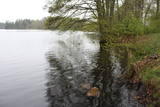 |
It is rare type of lake in Latvia and there are only of few this type of lakes in Kurzeme region. The lake is characterized by high water limpidness (very attractive for tourists) and very rare plant species for Latvia. Nature park includes the lake, costal area and forest on the East from the lake, few smaller lakes and Sarlote Pond. There are several tourist accommodations located around the lake.
|
|
 |
The guesthouse is on the shore of the Ancient Amata River Valley, and it was built with natural materials – local dolomite blocks. It serves ecological foods, including potatoes grown in bio-humus, wild berries and mushrooms, and country treats and greens from the guesthouse’s own garden. Latvian cuisine: Baked and grilled trout, beefsteak, wild mushroom and chanterelle sauce. Special foods: A puffy Eglaine cake made of rural eggs, pecan cake with ice cream. |
|
 |
Atrodas Tirdzniecības kanāla dienvidu krastā, kas padomju laikā bija slēgta zona ar pierobežas režīma statusu. Tagad lieliska pastaigu vieta, kur var vērot kuģīšus un jahtas. Promenādes visā garumā izvietojušies vēsturiskie spīķeri. Šeit meklējami krodziņi, viesnīcas, mūzikas klubs, mākslas galerija un Dzintara pulkstenis. |
|
 |
“GREEN HIVE” ir pārtikas ražotāju uzņēmums, kas nodarbojas ar medus un ogu pārstrādi. Uzņēmums atpazīstams ar saukli “Medus citās garšās!”. “GREEN HIVE” piedāvā vairāk nekā 60 produktus – medu daudzās un dažādās garšās, kā arī sīrupus, sulas un nektārus. “GREEN HIVE” atbalsta zaļas Latvijas ideju, un ievēro šo pārliecību uzņēmuma ražošanas procesā, dzīvojot saskaņā ar dabu un lietojot dabas dotus produktus. Ražotnē uzņem tūristu grupas, produkciju iespējams degustēt un iegādāties. |
|
 | ||
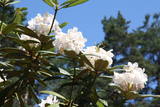 |
72 types of wild rhododendrons with 193 different species
This is the only specialised rhododendron nursery in the Baltic States. Specialists there work on different kinds of rhododendrons, seeking to produce decorative and winter-resistant types of the flower. The nursery also sells plants. In the facility’s pine forest, which covers 11.8 hectares, you can see a large collection of rhododendrons from all over the world.
There are 64 winter-resistant types of rhododendrons at “Babīte,” including “Alma Mater,” “Academia Scientiarum,” “Emeritus,” “Eduards Smiļģis,” “Dita Krenberga,” and others (these were developed by Rihards Kondratovičs). All of these are appropriate for Northern Europe.
|
|
 |
The tree farm focuses on decorative plants, including summer and perennial flowers, fern and collections of peonies. Flower containers and pyramids are made on order. The farm delivers and installs vertical “green walls”. The farm also offers Christmas products and materials for floral design. |
|
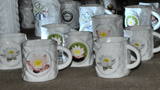 |
Since 2007, visitors have been able to tour a porcelain factory that offers an exhibition of porcelain products. You can buy souvenirs or commission special products. Children will love the porcelain painting studio that is in the mansion of the nearby Vecpiebalga Estate. |
|
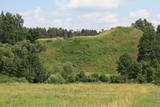 |
Das alte zemgalicshe wirtschaftspolitische Zentrum, das eine stark befestigte Siedlung vor der Ankunft der Kreuzritter war. Die Ruinen der Burg des Livländischen Ordens. |
|
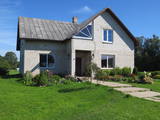 |
The creativity of this farm woman is seen in the preparation of various country goodies – cheese, baked cheese sticks, etc. The farm is biologically certified and uses its own produce. Tastings and purchases are offered, as are tours for groups of 10 people or more. |
|
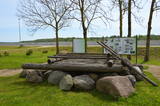 |
The monument is on the banks of the Daugava River opposite Kaļķu Street in Pļaviņas. The symbolic raft is made of logs and stones, and around it are informational stands with photographs that tell the story of the heavy work that rafters on the Daugava once did in terms of overcoming the rapids of the river. |
|
 |
The cave, which is 45 m deep and up to 5.5 m wide is found on the right bank of the Strīķupe river, by the Cēsis-Lenči road. The cave and its nearby sandstone cliff have suffered much damage from local visitors, which is why the administrators of the national park limited access to the surrounding territory a few years ago. You can no longer approach the cave. This is a positive example of who an important geological monument and a protected biotope can be protected. |
|
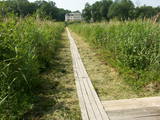 |
Near the Lielauce manor house start of a wooden pathway which crosses the transition-type swamp that is on the shore of Lake Lielauce to a boating facility near the open part of the lake. Boating and fishing are possible – here, too, the population of fish is regularly restored. The area is a part of the Vīķi swamp restricted zone. |
|
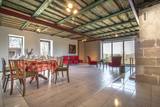 |
Located by the old Daugava bed ravine, Sērene parish, Jaunjelgava region, the house "Lazdāres". The holiday home has three apartments, each with its own kitchen, bathroom and everything you need for a great stay in the countryside. As well as a party hall for up to 20 people. Located 3 km from Aizkraukle and one kilometer from the newly built highway P76, which connects Riga with Jēkabpils. Waiting for guests who want to enjoy the silence and summer in the countryside. Families with children. Reservations for a week and longer with discounts. |
|
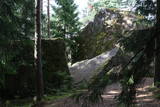 |
Die Größe dieses Feldsteins ist eindrucksvoll, obwohl er nach dem Volumen (262 m3) nur der 16. größte Feldstein Estlands ist. Die Länge beträgt 10,7 m, Breite – 6,5 m, Umfang – 27,8 m. |
|
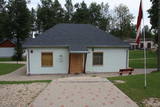 |
This is another place (at A. Brodeles Street 7) which must certainly be visited by those who are interested in the cultural environment of the historical region of Selonia. The museum was established in 2000, and much of its exhibition can be found at the depot of the former narrow-gauge railroad (the depot was built in 1948, and the railroad operated between 1916 and 1972). There you can see a restored locomotive, a passenger wagon, a trolley, etc. The exhibits reflect the lives of major personalities in and around Viesīte, also looking at events and the cultural heritage. There are wood processing and textile workshops at the museum. Outside the building is a fragment from the narrow gauge railroad, along with a water pump. |
|
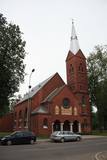 |
The church was built between 1932 and 1938 to replace an old Neo-Gothic wooden church. It was designed by J. Cīrulis. Until 1994, the building housed a venue that rented out films. Today it houses an exhibition, “From Foundations to the Steeple: Photographs of Ancient Lettigalian Construction Jobs.” This documents the construction of the church. The 37 metre steeple offers a good look at Rēzekne. |
|
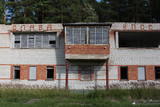 |
The firing range at Skujnieki was once used for summer sports, as well as training in the use of firearms. The Defence Ministry still uses the facility from time to time. The central building of the facility was built in 1982, and its façade is decorated with text in the Russian language: “Слава КПСС” (“All Honour to the Soviet Communist Party).
|
|
 2 days
|
Here you will learn about home-based manufacturers, farms, companies and others in Latgale that produce various dairy products such as milk, yogurt, cottage cheese, cheese, ice cream, etc. Start in Preiļi, which is known as Latvia’s cheese capital. The route passes along the Teiči nature reserve, with a viewing tower at the side of the road, also crossing Lubāna wetlands, which are of European importance for environmental protection. Drive on to Rēzekne (churches, a monument to Māra of Latgale, “Gors,” “Zeimuļš”, etc.). Nature lovers will love the Rāzna National Park with Lake Rāzna, Mākoņkalns hill and the master ceramicist Evalds Vasiļevskis. From Dagda, head to Aglona, which is a centre for Roman Catholic worshippers, and Lake Rušons before returning to your starting point. |
|


