
| Nr | Nosaukums | Apraksts |
|---|---|---|
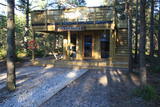 |
Āra kafejnīca "Divjūriņas" atrodas Kolkasragā, un ir atvērta no maija līdz oktobrim. |
|
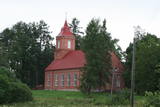 |
Līdz 18. gs. šajā vietā bija koka baznīca, kamēr 1798. g. uzcēla mūra baznīcu, kas cieta 1. pasaules karā, bet 2. pasaules kara laikā to uzspridzināja. Tikai pusgadsimtu vēlāk - 1991. gadā tika uzsākti atjaunošanas darbi, kas joprojām turpinās. Tagad redzamais dievnams ir iepriekšējā līdzinieks. |
|
 1 diena
|
Ekskursijas laikā apmeklējiet dabas taku, kura izvijas augšup un lejup gar Pilsupes lejteces stāvajiem krastiem un atklāj skaistus skatus uz trīs balto smilšu atsegumiem, no kuriem vecākais ir 6000 gadu vecs. Pēc tam apmeklējiet Kubalu skolu - muzeju, kur redzēsiet, kādas izskatījās skolas 19 gs. Klasē Jūs sagaida senie skolas soli, tāfelītes, tinte un rakstāmspalva. Tālāk dodieties uz dabas parku, kurā izveidota Bišu taka. Iespēja kāpt kokā ar dzeiņa palīdzību, liet vaska sveces un iepazīt dažādos biškopības produktus. Ekskursijas noslēgumā dodieties uz mini zoo, kur ir iespēja apskatīt dažādus dzīvnieciņus - pundurkaziņas, punduraitiņas, mandarīnpīles. |
|
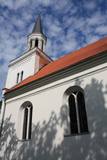 |
Atrodas Iecavas upes ielokā starp Rīgas un Sporta ielu. Baznīcas celtniecību uzsāka 1641. g. un pabeidza ap 1657. g. Ēka ievērojami cieta 2. Pasaules kara laikā. Pie baznīcas atrodas kapi, kuros apglabāti grāfu Pālenu dzimtas pārstāvji. To ziemeļaustrumu stūrī redzama Pālenu dzimtas kapliča. Baznīca ir it kā „sadalīta” divās daļās – vienā daļā notiek restaurācijas darbi, otrā izvietota bibliotēka. To ir vērts redzēt arī no iekšpuses. |
|
 |
Krogs "Minhauzens Pie Bocmaņa" atrodas Salacgrīvas centrā – Bocmaņa laukumā pie Salacas. Kādreiz tik pazīstamais krodziņš „Pie Bocmaņa” ir ieguvis jaunu interjeru ar barona Minhauzena tematiku. Latviešu virtuve: Siļķes salāti, siļķe ar biezpienu, zivju zupa, cūkgaļas krūtiņa ar sīpoliem, pelēkie zirņi ar speķi, ceptas aknas, cepta bute, cepta zandarta fileja, rupjmaizes kārtojums. |
|
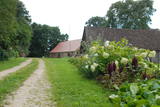 |
Nomaļa vieta pašā Latvijas – Lietuvas pierobežā – 5 km dienvidrietumos no Neretas, kur vēstures mīļiem noteikti ir vērts aizdoties. Kādēļ? Viens no iemesliem ir fakts, ka muižas graudu kalte (pamazām tiek atjaunota) un graudu žāvēšanas krāsns (daļa no vecajām koka daļām vēl ir saglabājusies) ir vienīgā tāda Latvijā. No muižas kompleksa palicis ir arī stallis un kalpu māja, kas tagad tiek apdzīvota. Ēkas celtas 18. gs. Saimnieks zina stāstīt interesantus atgadījumus, kas saistīti ar šīs vietas vēsturi. |
|
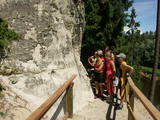 |
Formu ziņā viens no daudzveidīgākajiem Latvijas smilšakmens atsegumiem, kas ieslēpies Gaujas labā pamatkrasta nogāzē, sasniedzot 15 m augstumu. Atsegumu „sacaurumojušas” vientuļās bites (aizsargājamas), kas smilšakmeņos veido mazas aliņas, kurās attīstās kāpuri. Izveidota lokveida labiekārtota taka ar kāpnēm. Ietilpst Gaujas nacionālajā parkā.
|
|
 |
Sidra rūpnīca "Jaanihanso" taisa sidru no dabiski iegūtiem Igaunijas āboliem. Tiek izmantota specifiska tehnika sidru veidojot - sidrs nobriest tieši tāpat kā labākie šampānieši pasaulē. Ir iespēja nogaršot sidrus un par atsevišķu samaksu ir iespējams arī sagatavot našķus, kas komplimentē pašus sidrus, kā arī ir iespēja apskatīt saimniecību. Šajā gadījumā, ir nepieciešams pieteikties vienu nedēļu uz priekšu. |
|
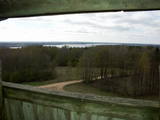 |
Atrodas Sēlijas paugurvaļņa vienā no augstākajiem punktiem – Borīškalnā. No atjaunotā torņa pārskatāms Saukas ezers un tam pieguļošie meži un lauksaimniecības zemes. Netālu – zemnieku saimniecība „Kalna Ļūdāni”, kuras saimnieks ar mājlopu palīdzību veido un uztur apkārtnes ainavu. |
|
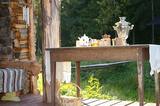 |
Mooskas pieredzes pārgājieni ir lieliska iespēja, kā iepazīties ar Veru apriņķa tautas kultūras mantojumu: melnā pirts, pēršanās tradīcijas, ziemā tradicionālā gaļas kūpināšana pirts dūmos, vasarā – ar akmeņiem izliktā kūpināšanas bedre. Ar dienvidigaunijas iedzīvotāju dzīves stilu un ciešo dabas izjūtu iepazīstinās pārgājiens uz Vellameģi. Turpat organizējam elpošanas pastaigas, orientēšanās spēles, nūjošanu un pārgājienus ar sniega kurpēm. Ieteicamais grupas lielums ir līdz 12 personām. |
|
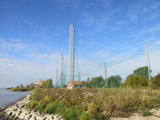 |
Putnu gredzenošanas stacija un putnu vērošanas vieta. |
|
 | ||
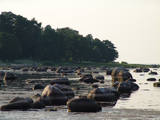 |
Senās Baltijas jūras stadijas - Litorīnas jūras krasta veidojumi dabā izpaužas kā neliels un lēzens stāvkrasts, kas veidojies aptuveni pirms 4500 - 5000 gadiem. Krasta nogulumu materiāls – oļi un grants satur bagātīgu Litorīnas jūrai raksturīgu faunas atlieku kompleksu. Vislabāk senā jūras krauja izsekojama pie Dobeļu mājām, Kaltenē. Senā krasta krauja Kaltenē, ir viens no nedaudzajiem posmiem Rīgas jūras līča piekrastē, kur Litorīnas jūras laikā ir bijis abrāzijas krasts. Seklos jūras līčus ir iecienījuši putni, kas te barojas un atpūšas migrāciju laikā. (Avots: Rojas TIC) |
|
 |
Aktīvās atpūtas parka “Godiņu Piedzīvojumu Platforma” piedāvā organizētus pārgājienus, ejot ar kājām, braucot ar velo, nūjojot, skrienot, vienam, ar draugiem, ar ģimeni, ar kolēģiem, ar četrkājaino draugu. Venlaikus ir iespēja baudīt koka flautas brīnumainās skaņas meža ielokā un pašam izgatavot savu pūšaminstrumentu. |
|
 |
Skaidrīte Bauze ir viena no čaklākajām Latvijas cimdu adītājām, kuras kolekcijā ir vairāk nekā 185 cimdu pāru – dūraiņu, kas parāda latvisko cimdu rakstu dažādību un krāsu bagātību. Rokdarbnieces stāsts ir iekļauts japāņu žurnālistes Sanajes Nakatas grāmatā par latviešu cimdu adīšanas tradīcijām un rakstiem. Apmeklētāji var apskatīt cimdu kolekciju, noklausīties stāstu, kā arī aplūkot augu šķirnēm bagātīgo dārzu, kurā izvietotas saimnieka – Haralda Bauzes veidotās koka skulptūras. Lauku sēta „Lejnieki” atrodas Bērzes upes krasta līkumā. |
|
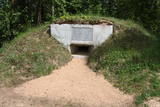 |
Vēl viens 2. Pasaules kara notikumu liecinieks, kas meklējams Blīdenes pagastā. Viens no retajiem šāda veida objektiem, kas saglabājies tik labā stāvoklī.
|
|
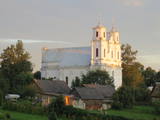 |
Lielākā apdzīvotā vieta Latvijas dienvidaustrumos, ko no dienvidiem apskalo Daugavas ūdeņi, kas vienlaikus ir Latvijas – Baltkrievijas robeža. Valstu robežlīnija iet pa upes vidu. Piedruja sastāv no divām daļām – Piedrujas un Aleksandrovas, kuras atdala centrālā iela (V 631 ceļš). Piedruja izveidojās kā Daugavas kreisajā krastā esošās Drujas pilsētas „pārupes” teritorija. Abas daļas 17. gs. bija Lietuvas lielkņazistes magnātu Sapehu dzimtas īpašumi. Drujas mazstāvu apbūve ar pamesto dievnamu labi pārskatāma no Piedrujas krasta. Piedruju un tās apkaimi ir vērts izstaigāt ar kājām, jo mazstāvu koka apbūve vietām atgādina skatus no etnogrāfiskajos brīvdabas muzejos redzamajiem. Piedruja ir sakopta, starp abām baznīcām ir izveidots ainavisks dārzs. Ar nozīmīgākajiem objektiem – diviem dievnamiem un Daugavas akmeni - iepazīstina Piedrujas taka. Aleksandrovas daļā atrodas tūristu mītne „Piedruja”, kas piedāvā īpašu tūrisma produktu – ''večerinkas'' latgaļu, krievu un baltkrievu stilā. Pirms došanās uz Piedruju ir jāsaņem terminētās atļaujas, kas nepieciešamas uzturoties pierobežā. Robežkontroles postenis atrodas Piedrujā – Daugavas krastā, kur vēl salīdzinoši nesen darbojās viena no Daugavas pārceltuvēm. |
|
 | ||
 |
Baltijā lielākās HES celtniecību uzsāka 1961. g., bet pabeidza 1966. g. Tajā uzstādīto 10 hidroagregātu projektētā jauda bija 825 MW. Pļaviņu HES tiek uzskatīta par unikālu, jo pirmoreiz HES būvniecības praksē tā konstrukcija tika balstīta uz mālsmilts un smilšmālu gruntīm ar maksimālo spiedienaugstumu - 40 m! Pļaviņu HES ēka ir apvienota ar ūdens pārgāzi, zem kuras atrodas Latvijas garākais tunelis - Enerģētiķu iela. 20. gs. deviņdesmitajos gados Pļaviņu HES rekonstruēja un tagad tās jauda ir sasniegusi 870 MW. Apmeklētāji var iepazīt mašīnzāli, skatu laukumus un HES maketu. |
|
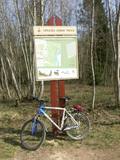 |
Pārgājiens laikā un telpā, jo taka uzskatāmi attēlo šīs vietas vēsturi kopš brīža, kad atkāpās Ledājs – iespaidīgās Gaujas senlejas veidotājs. Smilšakmens iežu atsegumi aizved vairāku simtu miljonu senā vēsturē – Devona periodā, ko sauc arī par „zivju laikmetu”. Bet pavisam nesen šeit parādījās cilvēks, kas arī atstājis savas pēdas. Kā viens no takas apskates objektiem ir 13 m garā Svētavota ala, no kuras iztek Svētavots. |
|


