
| Nr | Name | Beschreibung |
|---|---|---|
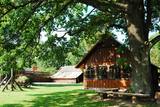 |
Vieta Suvalkijā ģimenes svinībām un atpūtai laukos. Atjaunotajā ar vēsturi saimniecībā atradīsiet etnogrāfisku un modernu interjeru elementu sajaukumu. Plaša dzīvojamā istaba ar kamīnu, oriģinālas ozolkoka mēbeles, guļamistabas ar visām ērtībām un virtuvi. Lauku pirts un kubls. Mežs pie mājas bagāts ar sēnēm un ogām. Piedāvājumā izglītojošas aktivitātes, stafetes bērniem un viņu vecākiem līksmībai, pirtnieka pakalpojumi.
|
|
 |
Glempings atrodas Amatas pagasta Dīķīšos, kur viesus sagaidīs Samojedu šķirnes suņi un inteliģenti ēzelīši, kas aizvedīs līdz glempingam dīķīša pakājē. Glempinga teltī ir lielā gulta un divguļamais dīvāns ar gultasveļu un dvieļiem, ledusskapis, svaigs ūdens, Nespresso kafijas aparāts un tējkanna, šķīvji, krūzes, glāze, ēšanas instrumenti. Ārpus telts pieejama āra duša, mazmājiņa ar ūdeni un dezinfekcijas līdzekļiem, latvju zīmēm rotāta ugunskura vieta ar iesmiem, malku un ērtiem krēsliem vakara baudīšanai, galds ar krēsliem ēšanai, bērniem smilškaste ar mantām, peldvieta. Naktsmāja ir piemērota arī cilvēkiem ratiņkrēslā, tajā skaitā ar atbilstoši izbūvētu mazmājiņu. Šis piedāvājums ir tapis sadarbībā ar sociālo uzņēmumu "Kultūras tūrisms". |
|
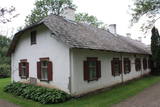 |
Das Rainis – Museum „Jasmuiža“ (Raiņa memoriālais muzejs „Jasmuiža”) Von 1883 – 1891 lebte Rainis‘ Vater Krišjānis Pliekšāns in dem Herrenhaus, das ehemals im Besitz der Familie Šadurski gewesen war. Der junge Dichter Rainis verbrachte hier seine Jugendjahre, wie es sich in dem Werk „Im Land meiner jungen Jahre“ (“Manu Jaunu dienu zemē”) wiederspiegelt. In Jasmuižā entstand auch die Übersetzung von Puschkins Drama „Boris Godunow“. Um das Werk des Dichters zu würdigen, wurde 1964 im Verwalterhaus des Gutshofes die Ausstellung „Rainis‘ Gymnasial- und Studienjahre“ geschaffen. Im renovierten Kuhstall des Hofes kann man Töpferarbeiten aus Latgale sehen. |
|
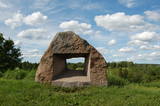 |
Die in 1991 vom Bildhauer Ojārs Feldbergs auf den Plätzen der ehemaligen Landgüter Firkspedvāle und Briņķpedvāle am rechten Ufer des Abava-Urstromtals gegründete Freilichtausstellung der Kunstwerke. Das einzige Objekt solcher Art in Lettland. |
|
 |
Spieķu darbnīca Siguldā aicina izdzīvot spieķa izgatavošanas procesu, kam ir vairāk kā 200 gadu sena vēsture. Darbnīcā ir iespējams pašiem apgleznot savu spieķīti, vai iededzināt rakstu zīmes un vārdus. Spieķīši ir atpazīstamākais un senākais Siguldas simbols, kas attīstījies līdz ar kņaza Kropotkina ierīkotajām senlejas takām, kļūstot par gājēja neatņemamu ceļabiedru. |
|
 |
Ziemciešu audzētava „Puķu lauki” ir ģimenes uzņēmums, kurā audzē un piedāvā dekoratīvos stādus. Saimniecība ir specializējusies konkrētu augu grupu audzēšanā. Tās laukos bagātīgi zeļ ziemcietes, graudzāles (zāļveida ziemcietes) un dažādas cirpto bukšu formas. Turklāt, šejienes augu šķirnes ir pielāgotas mūsu klimatiskajiem apstākļiem. Apmeklētāji var izstaigāt skaisti iekopto un ainavisko paraugdārzu, kā arī iegādāties stādus plastmasas konteineros visas sezonas garumā. |
|
 |
Das Café befindet sich an einem schönen Ort am Fluss Aleksupite: in dem ehemaligen hölzernen Rathaus mit einem Gewölbekeller. Lettische Küche: Salat aus Sprotten, Hering mit Quark, Topf des Bauers, Lammfleischtopf, Erbsentopf, gegrillte Schweinerippen, gebratene Stierhoden, Fischgerichte (Flunder, Zander), geschichtetes Roggenbrot-Dessert. |
|
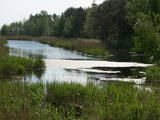 |
Taka izveidota 2005. gadā. Tā atrodas uz Lapmežciema un Bigauņciema robežas un izskatās kā koka dēlīšu laipa gar Siliņupi. Taka aizved līdz jūrai, kur apskatāms vecais Lapmežciema mols. Siliņupē novērojami ūdensputni. |
|
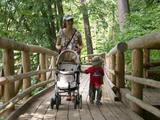 |
In diesem mehr als 50 Jahren alten Naturpark sind die Märchenhelden der lettischen Autorin Anna Brigadere (1861 – 1933) zu sehen. Ein enges Netz von Füssgängerbrücken. Ein modernes Besucherzentrum, ein Café. |
|
 3 Tagen
|
Die Strecke führt durch die historischen Regionen Selonia und Latgallen. Sie beginnt und endet in Daugpilis (Dünaburg), der zweitgrößten Stadt Lettlands. In der Baumschule Selija beginnen wir mit einer Führung durch die Apfelplantage, die Fruchtlager und die Verarbeitungsräume. Probieren Sie ein Glas Apfelsaft und hören Sie die Geschichte der Apfelweinherstellung! Auf dem Weg dann ein Halt bei der Gedenkstätte für den berühmten lettischen Schriftsteller und Aktivisten Rainis in Birkinele. Der Anbau von Wein und die Zucht von Rebsorten war die große Leidenschaft von Pauls Sukatnieks, der Besuch der Gedenkstätte für ihn ist daher besonders zur Erntezeit geraten. In Kaldabruna kann man ein ganz besonderes Wiesenmuseum und eine Kunstgalerie in der Scheune besichtigen. Der im romantizistischen Stil angelegte dendrologische Naturpark das Gutes Asare hat seine Anfänge im 18. Jh. und bietet eine große Vielfalt an interessanten Bäumen und Sträuchern. Der Hof Riekstiņi in Nereta ist ein authentisch erhaltener Familienhof, mit der für die Region Selonia typischen Atmosphäre. Die evangelische Kirche von Nereta stammt aus dem Jahr 1584 und ist damit eins der ältesten erhaltenen Bauwerke aus Stein in der Region. Im Naturpark Sauka bietet sich vom Borīšukalns und von weiteren Hügel in der Nähe ein gute Sicht auf die Landschaft des Sees Sauka. Der Weinberg im Winzerhof „Rudzīši“ hat über 80 Rebsorten und im Hof „Bānīši“ kann man leckere Schwarze Johannisbeeren nach Bedarf pflücken. In Gundegas gibt es den reizvoll gestalteten Landschaftsgarten. Im Park in Varkava stehen 200-jährige Eichen. Im Regionalmuseum können Sie eine Ausstellung zum Haushalt und Hof eines wohlhabenden Bauern im 19. und 20. Jahrhundert besichtigen. Der Aussichtsturm Vasargeliški hat eine Höhe von 24 m und bietet großartige Sicht über die Daugava. Im Haus von Altgläubigen in Slutiški befindet sich ein Museum (als Filiale des Regionalmuseums Naujene), wo man sich mit Kultur und Traditionen der Altgläubigen (einer Richtung die von der orthodoxen Kirche abgespalten ist) bekannt machen kann. Im Hof Kurmīši werden heimische Arzneipflanzen angebaut, wie Dost, Johanniskraut, Kornblume, Katzenpfötchen usw. |
|
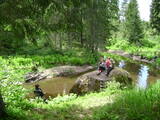 |
The trail tells about grey dunes which have survived thanks to the border restrictions and the presence of military. The trail starts from the parking place at the mouth of the Užava river. It is one of the few natural rivermouths in Europe. One can also see the „tacis”, an industrial installation for lamprey (Lampetra fluviatilis) fishing during their spawning migration period. The 3km long trail is circular. It winds for 1.5km from the Užava rivermouth to the North, along the coastline (the beach is covered with sand and pebbles), and returns to the starting point by a gravel road through grey dunes. Along the trail, one can observe a distinct white dune with rare plant species Linaria loeselii, Lathyrus maritimus, Anthyllis arenaria, Tragopogon heterospermus. About 1km from the rivermouth, in the sea, one can see a wrack of a sailing ship (parts of frame). The visibility depends on the flow of sand in the sea. The way back opens a beautiful view of the range of grey dunes. Unfortunately, Scots Pine starts taking over the area. There are three important biotopes of EU significance: „Fixed dunes with herbaceous vegetation 2130”, „Decalcified fixed dunes with Empetrum nigrum 2140” and „Dunes with Salix arenaria 2170”, forming a unique mosaic. Typical species here: mountain Alison ‘(Alyssum gmelinii), Pasqueflower (Pulsatilla pratensis), Sand Pink (Dianthus arenarius), Rosemary Leaved Willow (Salix rosmarinifolia), Dark Red Helleborine (Epipactis atrorubens), Kinnikinnick (Arctostaphylus uva-ursi). As a former military site, some military constructions can be seen here like horseshoe-shaped sand ramparts by the road in gray dunes. They were built to disguise military vehicles in case of sea attack. By the Kangroti graveyard, towards the Užava river, there is an underground pillbox. It is a one-man fortification to fire along the coastal perimeter. The Mouth of River Užava walking route is in the nature reserve „Užava” |
|
 |
Atpūtas vieta "Buki" atrodas Ventspils novadā, Baltijas jūras piekrastes aizsargjoslā. "Buki" ir klusa vieta atpūtai, kur iespējams baudīt Latvijas lauku mieru. Piedāvā atpūtu ģimenēm ar bērniem, draugu kompānijām vai vienkārši dabu mīlošiem cilvēkiem. Atpūtas vietas teritorija ir labiekārtota un tajā ir iespējama makšķerēšana piemājas dīķī, sporta aktivitāte kā volejbols, kā arī teritorijā ir atrakcijas bērniem - batuts un šūpoles. Nakšņošanas iespējas 6 veidu kotedžās, 3 veidu numuros viesu namā un 2 brīvdienu dzīvokļos, kā arī teltīs un treilerī. "Buki" piedāvā vietas svinībām gan lapenēs, gan svinību teltī (līdz 100 personām), arī divas pirtiņas. Atpūtas vietas teritorijā ir mini ZOO, kurā iespējams ne tikai dzīvē ieraudzīt dažādu sugu un dzimtu pārstāvjus, bet arī tos apčubināt un pabarot. Mini ZOO var sadzirdēt pērļu vistas, dziedošu ēzeli Janci, redzēt krāšņo pāva asti, izbaudīt alpakas un lamas vilnas mīkstumu, satikt aci pret aci dažādus kamieļus un daudz ko citu. Tāpat saimnieki piedāvā dažādu mājražojumu (kūpināta gaļa un zivis, kazas siers, olas, desas, sezonas augļus un dārzeņus u.c. produkti) degustācijas. |
|
 |
Im Garten kann man eine große Vielfalt an exotischen und seltenen Pflanzen, Blumen und Bäumen besichtigen. |
|
 |
Ein biologischer Familienbetrieb in Võrumaa, im Naturpark Haanja (Haanja rahvuspark). Der Betrieb befasst sich mit der Ziegenzucht und Ziegenkäseproduktion. Hier werden Verkostungen und Führungen veranstaltet. Dabei kann man sehen, wie Milch aus dem Stall zu einem Käselaib wird. |
|
 |
This is an unusual farm, one with no electricity (its owners use candle lanterns and petroleum lamps), with all work done by hand. Visitors can watch the milking of goats, the subsequent handling of milk, and the production of cheese. They can help to harness horses, try out sleds on wheels, and work with a scythe and a sickle. Livestock raised in the Latvian countryside can be viewed. |
|
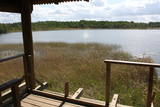 |
This is on the north-western shore of Lake Lielezers of Limbaži, at the start of the Lielezers nature trail. The tower opens up a view of the lake and its lovely shores. It is worth walking the trail, which is several kilometres long, because it is an interesting one. This is part of the ZBR. |
|
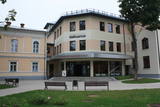 |
Die Exposition ist in einem Gebäude eingerichtet, in dem bis zum Zweiten Weltkrieg das Zentrale Museum Latgale tätig war. Hier kann man die Geschichte der Stadt Rēzekne über sieben Jahrhunderte kennenlernen und auch eine Sammlung von Keramiken und anderen Gegenständen der bildenden Kunst, die für die Region Latgale typisch sind. In der Exposition „Wunder aus Ton und dessen Verwandlung im Feuer“ kann man die Entstehung und Entwicklungsgeschichte der Keramik kennenlernen, in den Höfen und Werkstätten der Töpfer kann man bei der Entstehung von Tongeschirr mit traditionellen Methoden zusehen. Neben dem Museum ist dem bedeutenden lettgalischen Dichter Antons Kūkojs (1940 – 2007) ein Denkmal errichtet. |
|
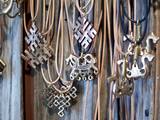 |
The craftsman uses experimental archaeological methods to produce the jewellery of ancient Baltic tribes. He will tell you about their symbolism, meaning and wearing traditions. You can tour the workshop and purchase jewellery that has been made there. |
|
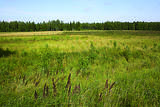 |
Die Seewiesen von Dūmele – ein mit Sagen und Erzählungen umgewandter
Platz über den ehemaligen Vīdala See (Dieviņa ezers- Gottessee), dessen Wasser
1838 ins Meer gelassen wurde. Interessant ist, dass nach dem Ablass am Seeboden
alte Baumstuempfe und Schiffsreste gefunden wurden.
|
|
 |
Ein beliebtes Café im Zentrum von Sigulda, gegenüber dem Bahnhof. Serviert Frühstück, Salate, Snacks, Hauptgerichte. Natürliche, köstliche Süßwaren und kulinarische Spezialitäten. |
|


