
| No | Name | Description |
|---|---|---|
 |
Seno un mūsdienīgo amatu prasmju popularizēšana, izkopšana un tālāknodošana. |
|
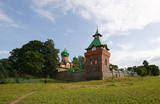 |
Pühtittsa Convent at Kuremäe was established in 1891 and is the only operating Russian Orthodox nunnery in Estonia. Centuries ago there was a sacred grove on Kuremäe hill and a sacrificial spring at its foot, the spring is considered “holy“ for its curative powers. The convent compound is open to visitors; guided tours run by nuns can be booked to learn more about the daily life of convent residents. |
|
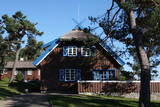 |
Ein zweistöckiges Holzhaus auf dem Uošvės-Hügel mit wunderschönem Blick aufs Haff. Hier hat drei Sommer der Träger des Nobelpreises, deutscher Schriftsteller Thomas Mann (1875 – 1955) verbracht. |
|
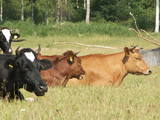 |
The farm grows peas, grits and beans, and it breeds cattle. Visitors can take a tour to learn about biodynamic agricultural techniques. |
|
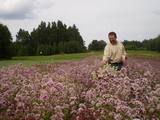 |
The farm grows and collects more than 80 types of medicinal plants, including peppermint, marigold, chamomile, oregano, St John’s wort, wormwood, oats, creeping thyme, broadleaf plantain, field penny-cress, meadowsweet, etc. You can take a tour and learn all about medicinal plants and how they are used. During autumns, you can purchase medicinal teas. |
|
 3 days
|
Saaremaa, kas no igauņu valodas tulkojumā nozīmē "salu zeme" ir kā neizskaidrojams magnēts, kas ik vasaru pievelk ne tikai daudzus Latvijas, bet arī ārvalstu ceļotājus. Neparastais ar salām izraibinātais un zilais jūras klajs, savdabīgās kadiķu pļavas - alvāri, seni, neredzētas formas Dievnami, Baltijas tautām nozīmīgi vēstures pieminekļi - pilskalni, pils, nepieredzēta sugu, īpaši - putnu bagātība, vējdzirnavas, Eiropas iespaidīgākais meteorīta krāteris, senie zvejnieku ciemi ar salenieku parašām un īpatnībām - tās ir tikai dažas salas iezīmes. Salas galvaspilsēta - Kuressaare ir viena no skaistākajām Igaunijas mazpilsētām ar senu rātsnamu un rātslaukumu un vienu no iespaidīgākajām viduslaiku pilīm Baltijā, kurai pēc izskata nav līdzīgu. Kuressaare vērts pasēdēt kādā no pilsētas krodziņiem. Saaremaa salā ceļotāji tiek gaidīti vienmēr, par ko liecina labi pārdomātā un kvalitatīvā tūrisma infrastruktūra. Sala ir īsta paradīze ne tikai mierīgas atpūtas meklētājiem, bet arī visa veida aktīvās atpūtas piekritējiem - kājāmgājējiem, velobraucējiem, jūras viļņu vagotājiem un dabas vērotājiem! |
|
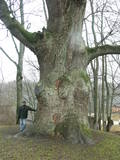 |
This tree is in the park of the Sēja Estate and is one of the four trees in Latvia that have a circumference of more than four metres.
|
|
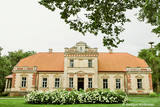 |
The Jakiškiu Estate was first mentioned in documents in the late 16th century. The estate had elements of Classicism in terms of its architecture. Among the buildings, the only ones that have survived are the mansion, an ice cellar and a steam-driven windmill. The estate has not been restored, so it is still authentic. Its artistic soul is preserved by various objects that remain from the time when people lived at the estate and from the Soviet era. Alongside the estate are a few fragments of a park, which covers approximately 2 ha. There is an ancient alley of linden trees that are on both sides of the entrance road, as well as several other valuable types of trees and a small pond. |
|
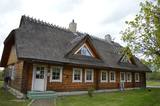 |
Tihuse farm on Muhu Island is engaged in horse breeding; this place also offers authentic food and a special menu for people with various food intolerances. It is very popular to take a horse ride, followed by a picnic. Lentil cakes are our special treat. |
|
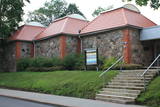 |
This is one of the oldest museums in Vidzeme and features interesting discoveries from the Middle Ages and the Iron Age, some of which were found around Lake Lubāna. Employees organise thematic exhibitions related to the culture and history of the administrative district, as well as art exhibitions. The museum is in the historical buildings of the former Birži Estate. |
|
 |
The "Magdalena" café is in the centre of Saldus. Latvian cuisine: Sauerkraut, dumpling, beet, sorrel and cold kefir soup, potato pancakes, crepes, sautéed pork ribs, homemade steak haché, farmers’ treats, oatmeal cream, stacked oatmeal or rye bread. |
|
 5 days
|
Ancient trading routes provided not just goods, but also knowledge and culture. The Light’s rout relates to the Reverent Ernst Gluck, who was a writer, the first translator of the Bible into Latvian, and a founder of Latvian children's schools, the Hernhutian movement of brothers, Kārlis Skalbe, the Kaudzīte brothers, Jānis Poruks, Antons Austriņš and their spiritual heritage. People in Vidzeme bake rye, wheat, barley, spelt and grit bread with various seeds, caraway seeds, nuts, dried fruit and hemp seeds. Hemp is used to produce traditional butter, oil and dumplings made with grey peas. It is also added to candies and even chocolate. Barley flour in the past was used only for celebrations, but today people will teach you how to use it to bake water pretzels with salt and caraway seeds. Visit farms and restored windmills to track the route of grain. Taste traditional Summer Solstice cheese, as well as Green cheese and tasty goat cheese. Pipe perch from Lake Burtnieks is a local delicacy, and you will also find trout, catfish and sturgeon, as well as crabs in season. Local meat and fowl dishes are popular, including dishes made with rabbit. Kitchens at aristocratic estates will offer wild game and pheasants with forest goodies and wild herbs. In Vidzeme you can meet the Garlic Queen, who prepares plant powders. Enjoy pies, sheet cakes, honey cakes, desserts of whipped cottage cheese, mountain ash, quince, apples, sweet cream and rye bread, as well as blackberry or apple dumplings. Slake your taste with herbal teas with honey, birch juice, berry lemonades or, if you're looking for something stronger, some tasty beer or wine. |
|
 3 days
|
This three-day tour offers a variety of culinary experiences. A bus tour is combined with cycling on Kihnu Island to visit local farms and production facilities making unique foods from local ingredients. You will taste cider, fish, herbal teas, beer, dairy products, and pastries. You will visit traditional Estonian and Russian households to enjoy real home-made meals and experience local culinary heritage. |
|
 |
One of the leading Latvian sauna experts, Ziedonis Kārkliņš, uses the energetic properties from various plants. More than 12 different plants are combined at once. Natural cosmetics and materials (mud, amber, stones etc.) used during rituals. He also uses ancient Baltic energy signs. |
|
 |
The former Ķemeri swimming facility used
to have a building of wooden bathtubs in the
19th century. The mud treatment facility which
is designed in the style of Classicism was
erected in 1924. The Ķemeri clinic was opened
here after World War II. A monument to Ivan
Pavlov, a distinguished Russian doctor and
physiologist is on the western end of the ruins,
and no one has taken much care of it, either.
|
|
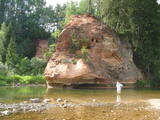 |
This is one of the most beautiful and popular tourism locations in Vidzeme. The cliff is 45 metres high, and the height of the lovely open-faced portion is around 20 metres high. You can look at the wide and deep Amata River valley and its forested banks.
|
|
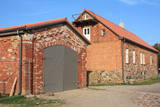 |
Found on the right bank of the Saka River at Dzintaru Street 1, the museum is in the first red brick and fieldstone building in Pāvilosta. It was built in 1879 for ship pilots. The museum focuses on the history of the local region, particularly in terms of fishing and seafaring. Among the exhibits are stone and bone axes, bronze brooches and belts, as well as a unique honey press, all of which have been found in the Saka Parish. Alongside the museum is a boathouse with larger exhibits. A mansard that was opened in 2012 is a site for exhibitions and thematic events. The museum’s phone number is +371-6349-8276. Make sure that you also visit the oldest part of Pāvilosta – Āķgals, which is a typical coastline village from the 19th and early 20th century. |
|
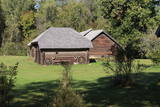 |
A unique farmyard that includes a full set of buildings typical of this area. The farmstead buildings reflect at least 300-400 years of Latvian nation-building development. In the area it is possible to stay in a dwelling house (2 rooms, two people each) and in the tents. Picnic places available. It is also possible to organize different events and activities. |
|
 |
Atrodas Inciema centrā. Piedāvā maltīti visām ēdienreizēm. Lielas porcijas, garšīgs ēdiens. Iecienīta tuvākas un plašākas apkaimes maltītes ieturēšanas vieta. Klāj galdus. |
|
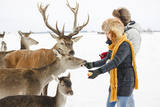 |
"Barono Vila" is a corner of paradise with a large and deep fishing pond, deer in enclosed meadows, sheep, forests rich with mushrooms and berries, clear lakes and the curves of the Sventāja River, which are popular among tourists. The restaurant offers fresh, tasty and high-qualified food made of venison and mutton, as well as oven-baked Lithuanian rye bread and the house speciality -- "Barona plov" cooked on a campfire. |
|


