
| Нo | Название | Описание |
|---|---|---|
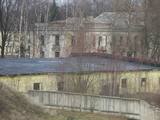 |
На месте теперешней Даугавгривской крепости первое укрепление построила шведская армия в 1608 году во время польско-шведской войны. В сороковых годах 17 столетия шведская армия возвела здесь современную по тем временам крепость с пятью бастионами и двумя воротами. На вооружении крепости находилось 120 пушек и мортиры, внутри располагались солдатские казармы, квартиры офицеров, гарнизонная церковь, продовольственные и оружейные склады. В результате Северной войны в 1710 году крепость перешла к Русской армии. И после оккупации Латвии в 1940 году здесь располагались единицы Военно-морского флота СССР. К сожалению, уникальный исторический памятник, находящийся в столице государства, в настоящее время публично не доступен. Довольно приблизительное представление об историческом памятнике можно получить при наружном осмотре объекта, откуда просматривается кладка, бастионы, крепостной ров и небольшая часть старой церкви. Рядом с крепостью находится армейская часть бывшего СССР с покинутыми зданиями и памятниками воинам-подводникам.
|
|
 |
Guests to the Dīķīši homestead in the Amata Parish will be greeted by several Samoyed dogs and intelligent little donkeys that will bring the guests to a place for glamping next to the pond. You can hike down two trails of different lengths of enjoy the opportunities that exist when Latvians share places where they find mushrooms and berries. A special adventure is creating artworks from natural materials that have been collected in the forest. The accommodations are appropriate for people who use a wheelchair. The lavatory has been adapted to the needs of such people, as well. People who are interested in cultural history can tour a collection of Latvian folk costumes, trying them on and organising their own photo session. People who enjoy extreme feelings will enjoy a ride on a quadricycle. If you love to go fishing, bring your own inventory. We organise fire rituals for birthdays and family celebrations, and we’ll also offer soup that has been cooked on a campfire, as well as a master class in cheesemaking. |
|
 3 дня
|
Этот маршрут приглашает вас посетить Курземе и попробовать там традиционные блюда. Тур начинается из Риги и ведет вас по живописным природным местам на прогулку, которая послужит физическим упражнением для повышения аппетита. В ресторане Dieniņas вы насладитесь традиционной копченой рыбой, мастер-классом по выпечке «sklandrausis», традиционным морковным пирогом, посетите рыбацкие деревни в Национальном парке Slītere и отведаете изысканные блюда в городских пабах Вентспилса. Хорошие достопримечательности в пути - это крутое побережье Балтийского моря в Jūrkalne и средневековый город Кулдига. На водяной мельнице 19-го века, которая в настоящее время является органической фермой, хозяйка даст вам мастер-класс по приготовлению региональных блюд из лани, форели, овощей и фруктов. Последняя остановка на пути обратно в Ригу - Музей шоколада в Pūre. |
|
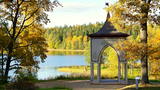 |
В пейзажном стиле парк был создан во второй половине 18-го века и начале 19-го века. Инициатором создания парка был владелец Алуксненского имения барон Отто Герман фон Фитингоф. В обширном пейзажном парке можно осмотреть значимые малые архитектурные формы – павильон Александра, храм древнегреческого бога ветров Эола, Пальмовый дом, гранитный обелиск О. Г. фон Фитингофу, установленный в 1799-м году, мавзолей рода баронов, бассейн фонтана, сделанный из одного гранитного куска и гранитные скамейки. Алуксненский дворцовый парк считается одним из красивейших парков в Видземе. |
|
 |
Длинное село по обе стороны реки Лужня. В 1937 году здесь было 36 домов и 2 лодочных причала. В 60-х годах 19-го века Лужня стала одним из судостроительных мест, а в годы советской оккупации поблизости находились военные базы. В 30-е годы 20-го века сюда многократно приезжали финский лингвист Лаури Кетунен и эстонский студент Оскар Лоритс, которые составили словарь ливского языка. В Лужне жил первый ливский художник Янис Белте (1893 - 1946). Двор Лужненского рыбака и земледельца «Делини» можно осмотреть в Латвийском этнографическом музее под открытым небом. |
|
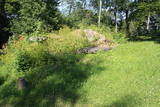 |
Находится в Лаши, в 0,2 км от дороги Вецумниеки – Илуксте. Древнее городище селов, заселенное с первоготысячелетиядорождестваХристова до 10 - 12 столетия. В наши дни в городище видны ничтожные остатки комплекса бывшей Вецлашской (Тизенхаузенов) господской усадьбы (внушительный господский дом был построен в конце 19 века в неоготическом стиле), из которого сохранилось хозяйственное строение, фундамент господского дома, фрагменты ворот и парк. До 1920 года господская усадьба принадлежала роду графов Пшездзецких (перед этим - Тизенхаузенам, Фитингхоффам). Перед тем, как отправляться к этому месту, в Интернете стоит найти старинные фотоснимки господского дома. К сожалению, в течение последних 20 лет этот памятник культуры не пережил каких-то значительных работ по благоустройству. |
|
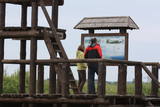 |
Reškutenu (Reškutėnai) ciema apkārtnē ir atjaunots neliels mitrājs, kura malā uzcelts putnu vērošanas tornis. Ja paveicas, pavasaros te var dzirdēt vai redzēt tādas retas un aizsargājamas putnu sugas kā ķikutu Gallinago media, ormanīti Porzana porzana, melnkakla dūkuri Podiceps nigricollis, griezi Crex crex u.c. Ciema ainava īpaši pievilcīga ir pieneņu un ābeļu ziedēšanas laikā. No putnu vērošanas torņa var redzēt vietas, kur akmens laikmetā dzīvojuši cilvēki. Blakus esošajā purvainajā pļavā bijis ezera līcis, kur tika būvēti ciemati līdzīgi kā Āraišu ezerpils gadījumā. |
|
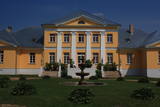 |
Усадьба Брукнас является неожиданным сюрпризом в этом месте и в это время. Строительство здания поместья началось в середине 18-го века, а столетие спустя – перестроено. В первой половине 20-го века в здании усадьбы была размещена начальная школа, а в советское время - обустроены квартиры. Сейчас здание усадьбы возродилось в новом качестве - как по форме, так и по содержанию - как в прямом, так и в переносном смысле. Здесь действует общественная организация "Сообщество горных благословений", летом проводятся детские и молодежные лагеря и другие мероприятия. Внутри здания сохранилась старая деревянная резная лестница, оконные ставни и латунные дверные петли. Возводится церковь. Можно осмотреть сад из культурных растений в стиле ренессанс. По предварительной записи, здание усадьбы, а также церковь, построенную местными обитателями, можно осмортеть также изнутри, в сопровождении обитатетелей усадьбы, которые расскажут также об истории и событиях усадьбы и сада. В 300 метрах к юго-западу от усадьбы находится городище Брукны, однако его трудно распознать и еще труднее до него добраться. |
|
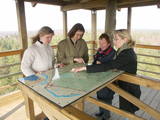 |
Ложметейкалнс в Тирельпурве является историческим памятником государственного значения – единственный культурно-исторический заказник в Латвии (парк памяти Рождественских боев). Стоит подняться на восстановленную смотровую башню, откуда открывается вид на Мазтирельское болото с бывшей старой узкоколейкой, пересекающей болото в северо-южном направлении (в природе обозначенную как самый большой деревянный ряд в болоте). В окрестностях домов Ложметейкалнса, Тирельпурва и Мангали сохранились уникальные свидетельства Балтийского масштаба о фортификационных сооружениях Первой мировой войны и проходивших в этих местах Рождественских боях. В Мангали можно осмотреть посвященную боям экспозицию, так называемые немецкие валы и др. С территорией знакомят опытные гиды. Кроме того, в парке проходят тематические и познавательные мероприятия.
|
|
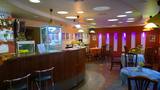 |
The café serves freshly prepared home-cooked food. "Cafe 21 & Putnu Dārzs" rents out rooms for banquets, celebrations, meals, buffets and seminars. Provides food delivery and off-site service. |
|
 |
Ainavisks, ap 340 m garš un līdz 15 m augsts atsegums, kas atrodas nepilnu kilometru lejpus Raunas ietekas Gaujā, kreisajā pamatkrastā. To veido sarkandzeltenīgi Gaujas svītas smilšakmeņi. Gar Kazu ieža austrumu daļas pakāji izkaisīiti vairāki lieli laukakmeņi, kas ērti iekārtojušies uz smilšakmeņos izskalotas pamatnes. |
|
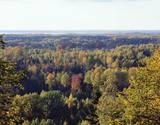 |
Наивысшая точка Разнавскогохолма Латгальской возвышенности и третья по высоте вершина в Латвии (289,3 м н.у.м.). Относительная высота холма - 86 м! Платформа смотровой вышки - наивысшая точка Латвии в настоящий момент (323 м н.у.м.), на которую можно подняться пешком! Окрестности Липовой горы благоустроены. |
|
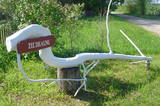 |
На востоке от дороги Эзермуйжи - Думеле находится древнее русло (балка) Диевиньэзера. Это было одно из самых больших озер в Курземе - длиной 7,5 км и шириной 1,6 км. В 1838 году был вырыт канал - теперяшняя Мелнсилупе - и озерную воду спустили в море, чтобы получить плодородную почву для сельского хозяйства. Жители Эзермуйжи еще со времен баронов были связаны с лесным хозяйством и лесозаготовками. Думеле с Кошрагсом связывает одинокая лесная дорога - т.н. Нижняя дорога - по которой проходит велосипедный маршрут. В Думеле расположен коттедж для отдыха «Зиедкални». |
|
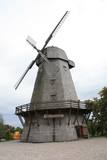 |
Мельница построена в период с 1867-го по 1869-й год по типу голландского проекта. Свое название она получила благодаря фамилии первого хозяина – Риба. На мельнице, которая является одним из хорошо сохранившихся архитектурных памятников такого типа в Латвии, создана образовательная экспозиция «Путь зерна», рассказывающая о развитии сельского хозяйства в Земгале, традициях зерноводства и выпечке хлеба. Также предлагается экскурсия в сопровождении гида. Мельница является частью комплекса отдыха (гостиница, ресторан, мельница) «Рожмалас». |
|
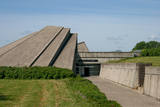 |
Ein am Ende des 19. Jh. gebautes Teil der Festung. Ein Museum, das Verbrechen totalitäre Regimes gegen Menschlichkeit wiederspiegelt. |
|
 |
Meklējams Zirgu salas dienviddaļā – uz t.s. Golodova dambja. Tornis pieejams kājāmgājējiem un velobraucējiem. Automašīna jāatstāj pie Ezermalas ielas. No torņa redzams plašs skats uz daļēji aizaugušo Liepājas ezera ziemeļdaļu. Laba putnu vērošanas vieta. Ietilpst Liepājas ezera dabas lieguma teritorijā. |
|
 6 дней
|
The Baltic Sea littoral on the West coast of Kurzeme is called the Great Wave Sea. The seacoast is mainly sandy. While the Great Wave Sea section is the least populated coastal area in Latvia, at the same time, the third biggest city in Latvia, Liepāja, is also located there. Steep bluffs rise before your eyes on the seacoast between Pāvilosta and Sārnate. The villages are quiet and sparsely populated. At the beginning of the route, you can see the Soviet military heritage in Liepāja Karosta Prison, taste smoked local fish in Pāvilosta and then enjoy one of the most beautiful views of the entire route to the seacoast from Užava lighthouse. The route closes in the port city of Ventspils, where there are various entertainment and sightseeing places, especially for families with children. |
|
|
|
Ein einzigartiges Örtchen beiderseits des Flusses Minija, wo der Fluss eine „Hauptstraße” ist. Litauens Venedig. |
|
 |
Zemnieku saimniecība “Janavas” var lepoties ar bioloģisko produktu ražotni, kur top jau labi zināmais krēms "Beāte", daudz dažādi ziedūdeņi, zāļu tējas un citi eko produkti. Saimniecības teritoriju lielākoties klāj bioloģiskās pļavas. Agrākā saimniecības ēka ir iekārtota tūristu grupu uzņemšanai, kur iespējams uzzināt par bioloģisko augu ietekmi uz cilvēka veselību un pie reizes arī iegādāties produkciju. Tiek piedāvātas pastaigas pa Daugavas senleju augu pasaulē, atpūtinot prātu un ķermeni no ikdienas un uzzinot par ārstniecības augu nozīmi cilvēka organismā. Glempinga teltī ir divguļamā gulta un dīvāns, ledusskapis, Nespresso kafijas aparāts, tējkanna, šķīvji, krūzes, glāzes un visi ēšanas piederumi, spēles bērniem, kā arī sildītājs vēsākiem vakariem. Ārpus telsts pieejama āra duša, Toi Toi mazmājiņa ar ūdeni un dezinfekcijas līdzekļiem, latvju zīmēm rotāta ugunskura vieta ar ērtiem krēsliem vakara baudīšanai, galds ar krēsliem ēšanai. Šis piedāvājums ir tapis sadarbībā ar sociālo uzņēmumu "Kultūras tūrisms". |
|
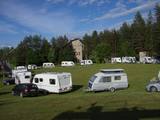 |
In the summer season we offer trips by raft and boats, camps for children, an area for organizing events, camping for the night. In the winter season "Baili" has a ski center - downhill ski tracks, ski and snowboard equipment rental, instructor services. Catering offer in a cafe. |
|


