
| Nr | Nosaukums | Apraksts |
|---|---|---|
 4 dienas
|
Maršruts ved caur skaistajiem Kurzemes un Žemaitijas ziedu dārziem. Kandavā atrodama lielākā īrisu kolekcija. Mierkalni ir lielākais dienliliju dārzs austrumeiropā ar vairāk nekā 1000 šķirnēm. Īpašnieks ražo arī augļu un ogu vīnus. Talsu pilskalnu dabas parkā atrodas ābolu audzētava "Kurzemnieki" un ābolu apstrāde (žāvēti āboli, ābolu čipsi, sulas). Tāpat tiek audzēti romiešu gliemeži. Vides un veselības saimniecībā "Upmaļi" ražo tējas, garšaugus, augu eļļas, īpašos balzamos, kosmētiku, augu izcelsmes ziepes utt. - ar zīmolu AnnA Bermans. Sauleskalnu dendrārijā atrodama Latvijas vecākā, 50 gadu senā magnolija. Ziedoņu peoniju dārzā audzē vairāk nekā 100 peoniju šķirnes. Māras muižas īpašnieki piedāvā vēsturiskus vācu muižu stāstus to rajonā. Piena muižā Berghof atrodas piena muzejs. Eksotiskas ziedu un koku šķirnes atrodamas Māra Lindes dendroloģiskajos dārzos. Turaidas zemnieku saimniecība ražo zāļu tējas un paciņas kā suvenīrus vai dāvanas, izmantojot citron mētru, avenes, biškrēsliņus, rasaskrēsliņus, ceļtekas un liepu. Nīcas ciemā apmeklētājiem ir pieejami 7 dekoratīvie dārzi, kas uztur vietējās dārzkopības tradīcijas. Rucavas dendrārijs piedāvā magnoliju kolekciju. Lielākais japāņu dārzs Eiropā (16 ha) ir tradicionālo aromātisko augu un dārzeņu kolekciju mājas. Palangas muiža, kurā atrodas Dzintara muzejs un Birutes parks ir viens no vislabāk saglabātajiem muižas kompleksiem Lietuvā. Kretingas muižas parks ir viens no vissenākajiem izdzīvojušajiem 16.-18. gadsimta muižas parkiem Lietuvā. Klaipēdas Universitātes botāniskajā dārzā ir piekrastes etnogrāfiskais dārzs ar ziedu šķirnēm, kas raksturīgas šīs vietas apkārtnei. Klaipēda ir populārākā piejūras kūrortpilsēta Lietuvā. Jūras muzejs un delfinārijs ir vieni no slavenākajiem Klaipēdas tūrisma objektiem. Šilutes muižā ir divi parki - angļu ainavu parks ar pastaigu takām un mežaparku, kas pazīstams kā Varnamiškis, vai "Vārnu mežs". Pakalnė ir unikāla tradicionālā zvejnieku sēta ar dārzkopības augiem, kas raksturīgi Lietuvas mazajam reģionam. |
|
 |
Kafejnīca “Kursas zeme” atrodas vecpilsētas centrā – rātslaukumā. Tajā ir divas zāles, kā arī vasaras terase rātslaukuma pusē. Interjers pielāgots senās pilsētas aurai - ar vintage stila lampām un gleznām pie sienām. Kafejnīcas telpās atrodas arī kafijas grauzdētava “Curonia”, tāpēc apmeklētājiem tiek piedāvāta svaiga un garšīga kafija. |
|
 5 dienas
|
Senie tirdzniecības ceļi izplatīja ne tikai preces, bet arī zināšanas un kultūru, visu tobrīd jauno un nezināmo. |
|
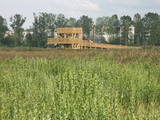 |
Viena no interesantākajām Rīgas īpaši aizsargājamām dabas teritorijām, kas veidota piekrastes biotopu – kāpu un jūrmalas pļavu un tajā ligzdojošo putnu un augu sugu (atrodas 29 % no orhideju sugu) aizsardzībai. Dabas liegumā izveidota marķēta izziņas taka ar putnu vērošanas torni - Latvijā vienīgo brīvdabas skatu torni, kas pielāgots cilvēkiem ar ratiņkrēsliem.
|
|
 |
Kafejnīca Roomassaare atrodas netālu no Kuressaare, no kuras paveras gleznains skats uz Roomassaare jahtu piestātni. Vasaras sezonā kafejnīcā pārsvarā gatavo maltītes no vietējiem produktiem, piedāvājot gan saliniekiem, gan tūristiem vienkāršu un tīru vietējo garšu kombināciju. Bez zivīm nekādi! |
|
 |
Līgatnes centrā, straujās Līgatnes upītes labajā krastā ir izveidots skatu laukums, no kuras „tuvplānā” redzams viens no iespaidīgākajiem upītes smilšakmens atsegumiem – Lustūzis. Tā sienā vīd mākslīgi raktās Līgatnes pagrabalas, kuras vietējie cilvēki izmanto kā pagrabus un mantu glabātuves.
|
|
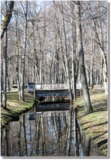 |
Brocēnu iela šķērso Vēršupīti, kas
līkumo cauri Ķemeru pilsētai. Tai pāri savus „kūkumus”
pārmetuši vairāk kā 10 mazi un romantiski tiltiņi. Katram
no tiem bijis savs nosaukums.
|
|
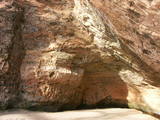 |
Vairāk nekā gadsimta garumā Gūtmaņa ala ir populārs apskates objekts. Tā ir platākā (12 m), augstākā (līdz 10 m) un apjoma ziņā – viena no varenākajām Latvijas alām. Gūtmaņa alu gan drīzāk ir alveidīga niša, jo tās garums pretstatā pārējiem izmēriem ir tikai 18,8 m. Ala ir ne tikai interesants ģeoloģisks piemineklis, bet arī nozīmīga kultūrvēsturiska un nostāstiem (populārākais par Turaidas Rozi) apvīta vieta. Taču, šķiet, ka tās lielākā vēsturiskā vērtība ir senie uzraksti uz alas sienām un griestiem, no kuriem vecākie ir saglabājušies no 17. gs. beigām. No alas iztek avots, kas turpina to veidot arī mūsdienās. Uzskata, ka avotam piemīt dziednieciskas īpašības. Netālu atrodas Siguldas novada Tūrisma informācijas centrs Gūtmaņala. Darba laiks: 01.05.-30.09. no plkst. 9.00 – 19.00; 01.10.-30.04. no plkst. 9.00 – 18.00. Autostāvvietas cenas: 1 automašīnai EUR 2,50; 1 mikroautobusam EUR 5,00; 1 autobusam EUR 7,00. |
|
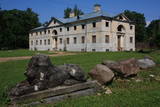 |
Muiža sāka veidoties 16. gs. beigās (īpašnieki - Tīzenhauzeni, vēlāk Bēri), bet no 1753. g. tā kļūst par Mēdemu dzimtas īpašumu. Tagad redzamo muižas pili (mūsdienās tikai atliekas) cēla 1806. - 1810. g. klasicisma stilā (Johana Georga Ādama Berlica projekts) pēc itāļu izcelsmes Pēterburgas galma arhitekta Džakomo Kvarengi meta. Muižas īpašnieks tajā laikā bija Johana Frīdriha Mēdema dēls - Kristofs Johans Frīdrihs (saukts par Žanno). Elejas pilī bija savākti daudzi nozīmīgi Eiropas mākslinieku darbi, kā arī iekārtots izcils interjers. 18 muižas kompleksa ēkas nodedzināja Pirmā pasaules kara laikā (1915. g.) un līdz mūsdienām ir saglabājušies tikai nelieli pils pirmā stāva drupu fragmenti ar kaltiem portika kolonu kapiteļiem, pārvaldnieka māja (apskatāma no ārpuses), atsevišķas saimniecības ēkas un parks. No pils drupām pa aleju var aiziet līdz Tējas namiņam (bēdīgā stāvoklī). 0,5 km ziemeļos no pils drupām atrodas 1912. g. izveidotā Mēdemu dzimtas kapsēta. Elejas pils mūra žoga arkādē iemūrēts dobumakmens. |
|
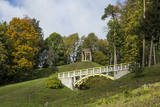 |
Iepretim Marijas salai (Pilssalai) paceļas ap 30 m augstais un stāvais (nogāzes mākslīgi nostāvinātas) Tempļa kalns - ar sānu gravām norobežots sens latgaļu pilskalns. Ap 80 m garajā un līdz 40 m platajā pilskalnā izšķirami vairāki mākslīgi veidoti vaļņi. Viena no senākajām Tempļa kalna apkaimes apdzīvotības liecībām ir atrastais cirvis, kas datēts ar 2. – 3. gadu tūkstoša miju pr. Kristus. Arheologi uzskata, ka šajā laikā cilvēki dzīvojuši Pilssalā. 10. – 11. gs. pilskalnā atradusies latgaļu pils, kuru 1225. g. nopostīja krustneši. Pilskalna virsma ir pārveidota arī salīdzinoši nesenā laikā - 1807. g. - granīta rotondas būvniecības laikā. Rotonda celta, godinot krievu feldmaršalu Šeremetjevu un zviedru kapteini Vulfu. Skats no Tempļa kalna uz Alūksnes ezeru un pilsētu ir viens no skaistākajiem Vidzemē. Ievērības cienīgs ir 1937. g. celtais Saules tilts. No Tempļa kalna ir vērts aiziet līdz netālu esošajam 37,8 m augstajam koka skatu tornim. Asāku izjūtu cienītājiem tiek piedāvāts gaisa trošu nobrauciens “Zzzippp” pāri Alūksnes ezeram. |
|
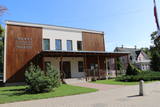 |
Muzeja krājumu veido vairāk nekā 40 tūkstoši dažādu priekšmetu, kas atspoguļo Ogres novada kultūrvēsturisko mantojumu no vissenākajiem laikiem līdz mūsdienām. Ekspozīcija "Pietura Ogre" piedāvā izsmeļošu vēstījumu par Ogres vēsturi, sākot no laika, kad Ķentes pilskalnā apmetās pirmie tā iemītnieki līdz Ogres kūrorta zelta laikiem un padomju periodam, kura laikā Ogre no peldu un atpūtas kūrorta pārvērtās par visā Austrumeiropā zināmu rūpniecības centru. Muzeja pirmā stāva zālē izstādes mainās ik mēnesi. Tematiskās izstādes veltītas dažādiem vēstures notikumiem un norisēm, bet mākslas izstādēs sevi prezentē Latvijas un Ogres novada mākslinieki. Muzejā notiek pasākumi un koncerti, muzejpedagoģiskās programmas un radošās darbnīcas. Iespējams pieteikt ekskursiju pa Ogres pilsētu. |
|
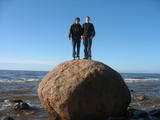 |
Ar dažāda lieluma laukakmeņiem klāts un nelieliem zemesragiem un līčiem izrobots Rīgas līča austrumu krasta posms, kā arī vienīgā vieta Latvijā, kur jūras krastā, posmā starp Tūju un Vitrupes ieteku un dienvidos no Tūrjas jūras viļņu abrazīvās darbības iespaidā izveidojušies līdz dažus metrus augsti smilšakmens atsegumi. Viens no izcilākajiem ir nepilnu puskilometru garās un līdz 4 m augstās Veczemu klintis. To apkārtne ir labiekārtota. Ļoti mainīgs un dinamisks jūras krasta posms, īpaši pēc lielām vētrām!
|
|
 |
Pilnveidojot sentēvu radītās receptes (vienu no vecākajiem maizes pagatavošanas veidiem, kas nācis no 12. gadsimta) un sekojot līdzi mūsdienu “garšu pieprasījumam”, ceptuves saimnieks Jānis Kurpnieks pēc paša radītajām receptēm maizi ir papildinājis arī ar īstiem ķiplokiem, sēklām, dzērveņu sukādēm, žāvētiem augļiem utt.. “Tērvetes maize” piedāvājumā ietilpst vairāk nekā 12 maizes veidi, tajā skaitā augļu un ogu maize, kas kļūst par veselīgu desertu un, ko var ēst smalkmaizīšu vietā. Savukārt, tik pieprasītā tīrgraudu maize, kurā nav ne grama miltu -šī veselīgā uzkoda guvusi īpašu atzinību vegānu un veģetāriešu vidū. Ceptuves lielākais lepnums ir rudzu pilngraudu rupjmaize un saldskābmaize, kuru sastāvā nav kviešu miltu, kas mūsdienās ir liels retums. Rudzu maizes mīklu plaucē, kā rezultātā veidojas dabīgie cukuri, E un B vitamīns. Mīklu raudzē ozolkoka abrās ar pašu gatavotu ieraugu no abrkaša (iepriekšējā cepiena mīklas). Katrs klaips tiek veidots ar rokām uz lizes. Maizi cep īstā ar skujkoka malku kurināmā krāsnī. Rupjmaize no citiem mājražotājiem Latvijā atšķiras ar to, ka tā tiek cepta lielos klaipos, kas ir 8- 9 kg smagi un garumā sasniedz pat pus metru. Šādā klaipā maizes garšas “buķete” būs spēcīgāka un derīguma termiņš ilgāks. Rupjmaize ar šķeltajiem rudzu graudiem un tīrgraudu (bezmiltu) maize ir saņēmusi “Zelta kvalitātes zīmi” pārtikas produktu konkursā – “Novadu garša Latvijā 2020”. Tiek piedāvātas ekskursijas un meistarklases, kurās var iepazīt maizes tapšanas procesu un pašiem līdzdarboties tās pagatavošanā. |
|
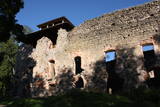 |
Raunas pilsdrupās (pils celtniecību uzsāka 1262. g un tā bija viena no galvenajām arhibīskapa rezidencēm) mūsdienās izveidots skatu tornis, no kura redzami iespaidīgie pils mūri, kādreizējā viduslaiku pilsētas vieta un Raunas centrs. Pils tornī ierīkota elektroniskā atslēga – lai iekļūtu tornī, jāpiespiež poga blakus torņa durvīm. Skatu torņa darba laiks 7:00 – 19:00. Pilsdrupas un apkārtni iespējams apskatīt jebkurā laikā. |
|
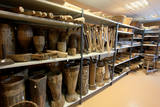 |
Kopš 2016. gada maija Sarkaņu skolas lielajā ēkā apmeklētājiem durvis vērusi Madonas novadpētniecības un mākslas muzeja etnogrāfijas un sadzīves priekšmetu atklātā krātuve. Te ir iespēja ieraudzīt, meklēt un atrast aizgājušo laiku, par to stāsta jau iekārtotajās telpās izvietotās lietas. Te ir iespēja redzēt priekšmetus, kas vēl nav skatīti muzeja ekspozīcijās un izstādēs, bet skolēni, studenti, amatnieki, ikviens interesents tos var izzināt pētnieciskos nolūkos (autore: Inese Sudāre). |
|
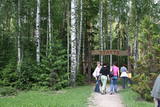 |
Dabas parkā izveidota Baltijā vienīgā Bišu taka, kurā apmeklētājs var iejusties bites ‘’lomā’’. Zinātkārie var ieģērbties bitenieka tērpā un novērot bišu dzīvi stropā vai kāpt kokā ar seno dravnieka ierīci – dzeini. Ekskursija, Bišu, Putnu, Meža, Sporta un Augu takas. |
|
 |
Uzņēmums nodarbojas ar dabas tūrisma pasākumu organizēšanu: agrā pavasarī – izbraucieni ar plostiem, vasarā – laivošana ar smailēm (kopā ar bebru dzīves vērošanu), visu gadu – pārgājieni ar sniega kurpēm pa Igaunijas augstajiem un zemajiem purviem, ziemā – izbraucieni ar stumjamām ragaviņām. Pieredzējuši pārgājienu vadītāji pastāstīs interesantus notikumus un faktus par Igaunijas dabu un kultūru. |
|
 |
10 km garais pārgājienu maršruts iepazīstina ar vienu no vēl retajiem, cilvēka mazāk ietekmētajiem Daugavas senlejas posmiem. Tā sākums – Aizkraukle, finišs – Skrīveri. Gar upes krastu izvietotas atpūtas vietas. Maršrutu var braukt arī ar velosipēdu. |
|
 |
Tahku piekrastes māju saimnieces vada gurķu marinēšanas un skābēšanas darbnīcas, kurās valda priecīgs gars. Gurķu festivāls Tahkuranna notiek katru gadu 20. augustā, tur var nopirkt arī konservētus gurķus, vietējo pārtiku un rokdarbus, piedalīties meistarklasēs, kā arī darināt rokdarbus. |
|
 |
Amatas pagasta Dīķīšos viesus sagaidīs Samojedu šķirnes suņi un inteliģenti ēzelīši, kas aizvedīs līdz glempingam dīķīša pakājē. Piedāvā iznūjot divu garumu takas vai izbaudīt to iespēju, kad latvietis dalās sēņošanas un ogošanas vietās. Īpašs piedzīvojums ir glezu veidošana no mežā salasītiem dabas materiāliem. Kultūrvēstures interesenti var iepazīt latviešu tautas tērpu kolekciju, uzlaikot to un noorganizēt paši savu fotosesiju. Ekstrēmu izjūtu cienītājiem patiks izbrauciens ar kvadraciklu. Bet, ja patīk makšķerēt, var ņemt līdzi nepieciešamo inventāru. Organizē uguns rituālus gadskārtās un ģimenes godos. Tāpat saimnieki piedāvā arī uz ugunskura vārītu zupu un dažādu svaigā siera gatavošanas meistarklasi. Piedāvā nakšņot glempinga teltī. Naktsmājas ir piemērotas arī cilvēkiem ratiņkrēslā, t.sk. ar atbilstoši izbūvētu mazmājiņu! |
|


