
| Nr | Nosaukums | Apraksts |
|---|---|---|
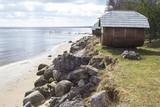 |
Sens lībiešu ciems, ar lībisko nosaukumu Mustanumm. Vēl 20. gs. vidū šeit dzīvoja lībieši. Melnsilā pie Baķupītes ietekas Rīgas jūras līcī, Landmaņu, Moricu un Otomeru dzimtas pārstāvji uzbūvēja trīs buriniekus. Melnsilā atrodas divas kultūrvēsturiskas vietas: senā kulta vieta - Baķu baznīckalns un jūras laupītāja Tromeļa pilskalns. (Avots: Rojas TIC) |
|
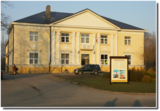 |
Kaut arī no 104 ciema mājām 1. pasaules karā nopostīja 97, 20. gs. trīsdesmito gadu beigās Lapmežciems ātri „atkopās", un tajā darbojies viens no Latvijas piekrastes spēcīgākajiem zvejnieku kooperatīviem. Padomju laikā te izveidoja vienu no lielākajiem zvejniecības kolhoziem – „Selga", kura korpusi ir redzami pie Siliņupes ietekas. Šodien Lapmežciems ir iecienīts vasarnīcu rajons, atpūtas un peldvieta. Kā interesants zvejniecības vēstures piemineklis ir apskatāms Lapmežciema sedums - kādreizējā zvejas laivu piestātne, kur zvejnieki cēla tīklu būdas un glabāja inventāru. Starp Pīlādžu ielu un Siliņupes kreiso krastu 3. – 2. g.t. pr. Kr. atradās zvejnieku un mednieku apmetne, kuras vietā uzstādīts piemiņas akmens. Šī ir senākā zināmā cilvēka apdzīvotā vieta Ķemeru nacionālā parka teritorijā. Daļa no atradumiem ir apskatāma Lapmežciema muzejā, kur izveidota novadpētnieciska ekspozīcija un savākti materiāli par somu jēgeru cīņām Klapkalnciema apkārtnē. |
|
 |
Amatnieku biedrībā apvienojušies 65 Rūjienas un tās apkārtnes amatnieki. Piedāvā maizes cepšanu, ievārījuma vārīšanu, siera siešanas, rotu taisīšanu, ādas izstrādājumu, tamborēšanas un kulinārijas meistarklases. Piedāvā arī ,,Ražots Rūjienā" degustācijas (maize, kūpinājumi, kulinārijas izstrādājumi, ievārījumi, svaigas sulas, ķirbju produkcija, sezonas ogas un augļi, katrā sezonā citi ēdieni) un iepirkšanos. |
|
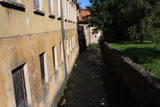 |
Savā ziņā unikāls un Baltijas valstīs vienīgais šāda veida 17. - 18. gs. mazpilsētas apbūves komplekss, kas izvietojies mazās Alekšupītes krastos. Dažviet upīte tek gar ēku sienām. Šī pilsētvide ar tiltiņiem radījusi apzīmējumu – „Latvijas Venēcija”. Interesantiem kultūras pieminekļiem bagātas ir Baznīcas, Liepājas, Kalna u.c. ielas. |
|
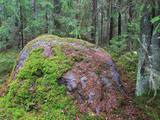 |
Komultēnu dižakmens atrodas Sakstagala pagastā, jauktu koku
mežā ap 700 m no Jēkabpils – Rēzeknes ceļa, uz ZA no Komultēniem.
Tā plakanā virsma un sāni saplaisājuši. Akmens sastāv no joslaina magmatizēta
gneisa. Dižakmens apkārtmērs 15 m, garums 5 m, platums 3
m, augstums 1,8 m, tilpums ap 20 m3.
|
|
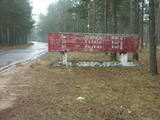 |
Ādažu poligons (bijušais PSRS armijas poligons) arī mūsdienās tiek izmantots kaujas šaušanas un taktiskajām mācībām. Tāpat poligona teritorijā iespējams organizēt auto un moto sporta sacensības un testa braucienus vai militarizētu (apsardzes) organizāciju apmācības, iepriekš tās saskaņojot. Augu un dzīvnieku vērošana dabas lieguma teritorijā. Teritorija civilām personām apmeklējama tikai noteiktā kārtībā.
|
|
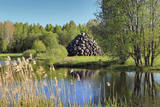 |
Ap 9 m augstais, no lieliem laukakmeņiem veidotais krāvums ir sava veida piemineklis Krišjānim Baronam un viņa veikumam latviešu tautas labā. Valpenes muižā dzīvoja K. Barona māte un nākamais Dainu tēvs. Akmeņos iekalti zudušo māju vārdi. To virziens akmeņu piramīdā norāda kādreizējo māju atrašanās vietas. Valpenes piramīdas krāvuma idejas autors bija Imants Ziedonis, bet izpildītājs - tēlnieks – Vilnis Titāns. |
|
 |
Labumu bode ir ģimenes uzņēmums - veikaliņš Ikšķilē, kur iespējams iegādāties Latvijas mazo ražotāju un amatnieku radītos produktus. Veikalu ir iemīļojuši ne tikai Ikšķiles un tuvākās apkārtnes iedzīvotāji, bet arī pircēji no Rīgas, Ķekavas, Ogres un citām pilsētām, tāpēc izveidots arī internetveikals. |
|
 |
Restorāns "il Capitano" atrodas Rīgas jūras līča krastā, starp VIA Baltica autoceļu (A1) un jūru, atpūtas kompleksa „Kapteiņu osta” teritorijā, ko ieskauj Randu pļavas. Vasaras terase ar skaistiem saulrietiem. Latviešu virtuve: Aukstā biešu zupa, kartupeļi ar biezpienu un siļķi, kūpināts zutis, krāsnī cepts sams, cepts zandarts kaņepju sviestā, biezpiena plācenīši, zemeņu zupa. Īpašais ēdiens: Zivju zupa. |
|
 |
~ 6000 taksonu, tai skaitā gandrīz 300 dāliju šķirnes, 120 acāliju un 100 āra rododendru šķirnes.
Augu mājās aug dažādi eksotiski tropu augi un to augļi (tai skaitā, citroni, banāni, ananāsi, vīģes, olīvas, avokado un kafija), plaša kaktusu kolekcija un lielākā Latvijas palmu kolekcija. Āra ekspozīcijās apskatāmi gan bagātīgi ziemciešu stādījumi, gan ārstniecības augi un Latvijas indīgo augu kolekcija, kā arī augu sistemātiskās grupas (raksturīgas vienīgi universitāšu botāniskajiem dārziem). Vienīgā vieta Latvijā, kur pavasarī vienviet redzams tik daudz ziedošu magnoliju.
Āra ekspozīcijās – ēdamā kastaņa (Castanea sativa), ginks (Ginkgo biloba), reliktā metasekvoja (Metasequoia glyptostroboides), baltais zīdkoks (Morus alba), trīsdaivu dižmandele (Louiseania triloba), karaliskais grieķu valrieksts (Juglans regia). Augu mājās – araukārijas (Araucaria bidwillii un A. heterophylla), volēmija (Wollemia nobilis), liellapu gumijkoks (Ficus macrophylla), karaliskā Viktorija (Victoria regia) u.c.
|
|
|
|
Ļoti ainaviska vieta Siguldā, kas gleznota (no tā arī vēlāks nosaukums) un fotografēta kopš seniem laikiem! Paradīzes kalns būtībā nav kalns, bet gan vieta, kur Gaujas senlejas kreisā pamatkrasta nogāzi „pāršķeļ" varenā Vējupītes grava. No Paradīzes kalna paveras izcils skats uz Turaidas pili un Gaujas senleju, kur izveidota atpūtas vieta un skatu laukums. Līdz Paradīzes kalnam var nokļūt ar elektromobili. |
|
|
|
Dievukalnā atrastās liecības vēsta, ka šajā vietā pirms 3000 gadiem bija apmetušās baltu ciltis, bet 7.-9. gs. pie Daugavas jau apmetušās lībiešu ciltis. Daugavas klinšainajā krastā (pirmo reizi pieminēta 1229. g.) Rīgas bīskaps no laukakmeņiem uzbūvē pili, kuras drupas apskatāmas arī šodien. Lielvārde dod iedvesmu tādiem atmodas laika kultūras darbiniekiem kā Andrejam Pumpuram (1841-1902) un Auseklim (1850-1879). 1. pasaules kara laikā (Daugava gandrīz trīs gadus ir frontes līnija) Lielvārdi pilnībā noposta. Pēc 2. Pasaules kara kā jau arī citur Latvijas teritorijā, te sākas kolhozu izveide. Šajā laikā Lielvārde kļūst pazīstama ar vēl vienu simbolu – „Lāčplēša" alu. Šodien Lielvārde ir to ceļotāju iecienīta, kas savu maršrutu izvēlējušies veikt gar Daugavas labo krastu. |
|
 |
„Strauti” atrodas Embūtes pauguraines austrumu malā. No dienvidiem tos ieskauj plaši mežu masīvi, kuros mīt daudzi Latvijas savvaļā sastopamie dzīvnieki. Blakus saimniecībai atrodas bijušās putnu fermas korpusi. Saimniecībā audzē vaislas trušus, aitas, dažādu šķirņu mājputnus, divus zirgus un poniju. Saimniecības laukos ganās govju ganāmpulks, kurā starp dažādu šķirņu govīm apskatāmas arī Latvijas Zilās govis. Saimniece piedāvā ekskursijas skolēnu grupām un citiem interesentiem. Iepriekš vienojoties, iespējama trušu gaļas, aitas vilnas, kā arī saimniecībā izaudzēto dārzeņu iegāde. Bioloģiskā saimniecība. |
|
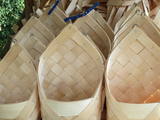 |
Darbnīcā ražo visu saimniecībā nepieciešamo – solus, galdus, pakaramos, virtuves piederumus, pirts baļļas, mucas, lieliskus suvenīrus no koka u.c. Darbus var iegādāties, kā arī veikt savu pasūtījumu. Ekskursijas. Skalu grozu pīšanas demonstrēšana, var mācīties paši pīt grozus, iepriekš piesakoties. |
|
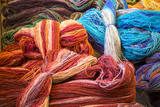 |
Vienīgā vieta Kurzemē, kur vēl pārstrādā vilnu un, cik zināms, tad arī vienīgā vieta Latvijā, kur veic pilnu vilnas pārstrādes procesu. Vilnas pārstrādes tradīcijas Pācē ir kopš 19.gs. beigām. Pirmās Latvijas Republikas gados te velta vadmala, bet padomju gados Pācē bija otrs lielākais sadzīves pakalpojumu sistēmas cehs Latvijā, kas pārstrādāja aitu vilnu. |
|
|
|
1339. g. Livonijas ordeņa mestrs (no 1328. – 1340.) Eberhards fon Monheims pašu zemgaļu 1286. g. nodedzinātās pils vietā uzceļ jaunu - mūra pili. To sešus gadus vēlāk nodedzināja lietuviešu karaspēks. Pili gan atjaunoja Kurzemes hercoga Ketlera valdīšanas laikā, taču Ziemeļu kara laikā - 1701. g. to atkal noposta zviedru karapulki. Līdz mūsdienām ir saglabājusies tikai no laukakmeņiem celtās pils sienas atliekas. |
|
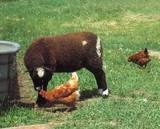 |
Lauku sētā piedāvā mājdzīvnieku, mājputnu un eksotisko maru apskati un izjādes ar poniju. Konsultācijas dārzkopībā un sīku dzīvnieku audzēšanā. Iespējams iegādāties paipalu olas, kūpinājumus, cāļus un jaunputnus. |
|
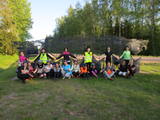 |
Viens no retajiem brīvdabas objektiem, kas liecina par pasaules mērogā unikālo Baltijas ceļu, kur rokās un vienā ķēdē sadevās trīs valstu – Lietuvas, Latvijas un Igaunijas iedzīvotāji. Piemineklis atrodas pie bijušā Unguriņu robežas pārejas punkta pie Latvijas – Igaunijas robežas. Uzstādīts 2009. gada 23. augustā, Baltijas ceļa 20. gadadienā. To veidojis metālmākslinieks Andris Dukurs. |
|
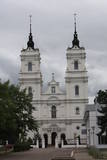 |
Atrodas t.s. Baznīcu kalnā - A. Pumpura ielā 11 a. Varenais neobaroka stilā celtais dievnamu tapis 1905. g. Pastāv viedoklis, ka par šīs baznīcas prototipu izmantotas Aglonas vai Krāslavas bazilikas, kā arī Rietumeiropas baznīcu paraugi. Tās interjeru rotā divstāvīgs altāris, kurā novietota spāņu gleznotāja B. E. Muriljo pazīstamās gleznas “Svētā Dievmāte” kopija. 1909. g. baznīcā uzstādīja poļu meistara Ādolfa Hofmana būvētās ērģeles.No būvniecības laika saglabājusies arī pārējā baznīcas iekārta. |
|
 |
Vilsandi bāka sāka darboties 1809. g. Ja uzmanīgi palūkojas uz torņa, labi redzams, ka tas ir vairākas reizes paaugstināts. Tagadējās bākas augstums ir 37 m, bet gaismas elements atrodas 40 metrus virs jūras līmeņa. Bāka ar apkārtējām ēkām ir apskatāma tikai no ārpuses. Ja pa Vilsandi arhipelāgu ceļo ar jūras laivu vai citu peldlīdzekli, tad bāka kalpo kā ļoti labs orientieris daudzo salu, līču un pussalu labirintā. No bākas redzama jūras krastā uzceltā glābšanas stacija. Pateicoties tai, Vilsandi ūdeņos izglābti 29 cilvēki, 2 suņi un 1 kaķis. Tā stāsta vietējie. |
|


