
| No | Name | Description |
|---|---|---|
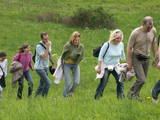 |
Dabas liegumā "Pilskalnes Siguldiņa" ir izveidota dabas taka - kājinieku tūrisma maršruts – t.s. Augšzemes ainavu taka, kas sākas Pilskalnē un beidzas pie Driģeņu mājām. Tā izlīkumo ezeru krastus, šķērso purvu (laipas). Apmeklētājiem, t.sk. arī bērniem, izveidotas arī īsākas - lokālas takas. Pieejami dažādu taku garumi: 1,6 km, 3,8 km, 8 km. |
|
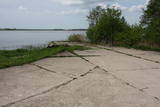 |
The hydroplane airfield is on the eastern shore of Lake Durbe, not far from Līguti. It was built between 1939 and 1941. During the Soviet era, the 43rd aviation escadrille was located here, and it had 13 MBR-2 hydroplanes. All that’s left today are the cement sheets on the shore of the lake. You can look at the site itself.
|
|
 |
The Ķemeri water tower was built in 1929
and used to be a reservoir for drinking and
mineral water. Until World War II, there was a
viewing platform at a height of 42 metres from
which one could see the surroundings of
Ķemeri.
|
|
 |
Centre stage on the a la carte menu of the restaurant is devoted to premium quality game meat dishes. Fish lovers will enjoy just caught Siberian sturgeon in the Sangaste Loss pond, ensuring that ingredients are always fresh. Ancient cooking techniques, such as baking on a bonfire in natural smoke, are honoured. |
|
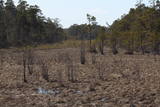 |
The Kurzeme Peninsula has the largest landscape of hillocks and valleys in Europe in the shoreline segment from Melnsils and Kolka to Oviši and Liepene. It is a unique landscape in Latvia, and part of it is in the Slītere National Park. The Pēterezers Nature Trail offers the best chance to look at the landscape. There are hillocks and valleys elsewhere, too – near shoreline villages where the Kukšupe valley (one of the longest ones – 8 km in all) is crossed by the Ventspils-Kolka highway, as well as near Apakšceļš. The only thing is that you need to learn how to spot the areas out in nature. |
|
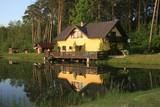 |
Recreation place "Kaupēna mill" is located near Tērvete, Zemgale region. In the pension there is hall for celebrations, there is a garden with grill. Free private parking is available for guests. The kitchenette is fully equipped with crockery and cutlery, and there is a microwave. Turkish bath and terrace. The guest house has 15 beds for overnight stays. Guests are also offered a holiday house "Paradise House". It is a fully equipped family house with kitchenette and 4 beds, pond view, barbecue and gazebo. Quality well / spring drinking water. "Egļu namiņš" - the house has 5 beds, anteroom, terrace. Barbecue with terrace, next to the pond, WC, showers. We also offer 3 camping houses. 4 beds in each cottage. Toilets and showers are shared. |
|
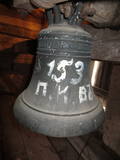 |
The church was opened in 1651 after half a century of sometimes interrupted construction. It was fully rebuilt and took on its current appearance in 1876. The church contains one of the most important church objects in Latvia – the oldest pulpit in the country (1590). It was designed in the style of Mannerism. The church also has a bell from a wrecked chapel of the local knighthood. The bell was manufacture in 1450 and was installed at the church in the 19th century. It is the oldest church bell in Latvia. The German painter F. Wolff painted the altar painting, “Christ on the Cross,” and it, along with the altar, have recently been restored. |
|
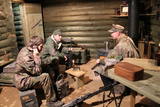 |
Pie Vidzemes šosejas pirms Melturu tilta pāri Amatai ir privātais muzejs "Mežabrāļu bunkurs". Bunkurs izveidots, lai varētu vēstīt par Nacionālo partizānu mežabrāļu cīņu laikā no 1944.-1956. gadam, kad mežos pret okupācijas varu cīnījās ap 20 000 Latvijas patriotu. Nacionālo partizānu bunkurs izveidots balstoties uz savāktajām mežabrāļu atmiņām, dienasgrāmatu pierakstiem un fotogrāfijām. Uz bunkuru ved meža taka ar informāciju par dažādiem mežabrāļu piedzīvojumiem un cīņām. Bunkura pazemes daļā apskatāmi vēsturiskie priekšmeti, kas viņus pavadīja dzīvē un cīņā. Saimnieks piedāvā pastaigu pa meža taku, kur izvietota informācija par mežabrāļiem un slēpņu spēle bērniem. Ar iepriekšēju pieteikšanos iespējams iekļūt bunkurā un apskatīt iekārtotu bunkuru ar mežabrāļu izmantoto ieroču, munīcijas un citu priekšmetu ekspozīciju. Stāstījumu papildina savāktās mežabrāļu interviju videoieraksti. Apmeklētājiem iespējams pasūtīt mednieku desiņu cepšanu lapenē pie bunkura. |
|
 |
Neliela apdzīvota vieta, kuras apkārtnē jau izsenis iegūta kūdra un ārstniecības dūņas, kas izmantotas Ķemeru kūrortā. Kūdrā atrodas padomju laikā celtā dzelzsbetona rūpnīca, kura nodrošināja ar būvniecības materiāliem tagadējo Kauguru mikrorajonu.
|
|
 |
The saloon is on the shore of Lake Alūksne and the Jaunsētas country tourism and leisure centre. The log saloon’s interior is based on the style of the 17th century, when a girl was born in the area who was raised by her foster father Ernst Glick and would later become Empress Catharine the Great, Wife of Peter the Great of Russia. |
|
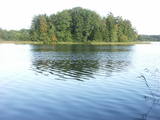 |
This restricted area protects Lake Jumurda, which is in the central part of the Vidzeme highlands, along with its three islands, the local broadleaf forests, and the surrounding landscapes.
|
|
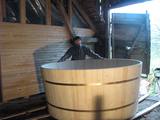 |
The craftsman represents the fifth generation of the oldest dynasty of Latvian barrel makers. The family began such work in the early 19th century, and he is continuing on with traditions related to barrels that are made of oak and ash. He will talk about the various aspects of making a barrel, and you will be able to watch him at work. The craftsman produces barrels, wooden tubs, scoops for saunas, etc. You can order and purchase these items. |
|
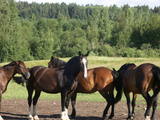 |
The farm has a herd of horses and buys horses which confirm to historical demands related to breeds of animals. You can learn to ride a horse in the company of an instructor and in a limited area. During the summer, there are cart rides, while in the winter there are sleigh rides. The horses are also used for weddings and other ceremonies. |
|
 |
In the studio it is possible to buy or order different craftsmanship items, as well as to learn about craftsmanship process. The studio specializes in creating folk costumes, weaving and all sorts of handicrafts, creating jewellery, patchwork, sewing and silk painting. It is possible to see the crafts’ exhibition and buy souvenirs. |
|
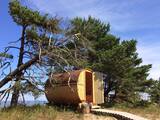 |
Happiness House (Laimes maja) is a recreation place situated in a very beautiful place on the seashore – on Cape Kolka. Here you will have a chance to relax, watch sunrises and sunsets, enjoy the sea, quiteness and peace. |
|
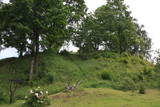 |
Atrodas 0,3 km ziemeļos no Vecpiebalgas pilsdrupām. Ap 10 m augsto, bet visnotaļ izteiksmīgo Grišku kalnu sauc arī par Piebalgas, Balgas un Veļķu pilskalnu. 13. gs. šeit bijusi svarīga apmetnes vieta ar mākslīgi nostāvinātām nogāzēm un dziļu aizsarggrāvi. Vēstures notikumi ir atstājuši ap metru biezu kultūrslāni. Bezlapu laikā no kalna paveras skats uz Vecpiebalgas baznīcu un pilsdrupu vietu. Pilskalna piekājē ir aka ar Griškavotu. |
|
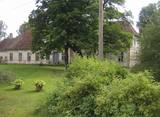 |
The historical centre of the Tāšu Estate is in the Ālande (Telse) River Valley near Lake Tāši. The current estate was built by the von Korff dynasty, and the mansion dates back to 1734. Inside there are valuable Baroque fireplaces, the main entrance portal made of sandstone from Gotland, the original stone floor in the hall, parquet and wall panels. The front door, windows, stairs and other details were installed in the early 19th century |
|
 2 days
|
Here you will learn about home-based manufacturers, farms, companies and others in Latgale that produce various dairy products such as milk, yogurt, cottage cheese, cheese, ice cream, etc. Start in Preiļi, which is known as Latvia’s cheese capital. The route passes along the Teiči nature reserve, with a viewing tower at the side of the road, also crossing Lubāna wetlands, which are of European importance for environmental protection. Drive on to Rēzekne (churches, a monument to Māra of Latgale, “Gors,” “Zeimuļš”, etc.). Nature lovers will love the Rāzna National Park with Lake Rāzna, Mākoņkalns hill and the master ceramicist Evalds Vasiļevskis. From Dagda, head to Aglona, which is a centre for Roman Catholic worshippers, and Lake Rušons before returning to your starting point. |
|
 |
The "Pastnieka maja" restaurant is an old restored building in Old Liepāja. Legend has it that a postal carrier named Arvīds used to live there, and the building has been praised for its interior design. The menu offers an attractive look at the life of Arvīds, and it is up to you to believe or disbelieve those stories. Latvian cuisine: Cold soup, sorrel soup, oven-baked cod, catfish and plaice filet, grilled pork ribs, porridge with a bacon and onion sauce, potato pancakes, crepes, stacked rye bread. Special foods: Smoked cod with potatoes, onions and dill in a ceramic ramekin. |
|
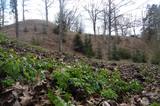 |
The Buse (Matkule) castle hill is next to the Imula River. The hill and the opposite bank of the river offer one of the loveliest views of small rivers in Kurzeme. They are best seen during the season when trees are bare so that leaves do not cover up the landscapes. There are trails for pedestrians in the area. |
|


